

Are you on the lookout for ecommerce trends that will shape online shopping in 2026? We’ve got you covered.
New ecommerce trends pop up every day as online retailers find new ways to meet customer demands better and sell more. Seeing as some of these trends come and go, it isn’t easy to know which ones you should pay attention to this year.
In this article, we’ll walk you through the ecommerce trends you should prepare for to stay competitive and equip your business for a successful 2026.
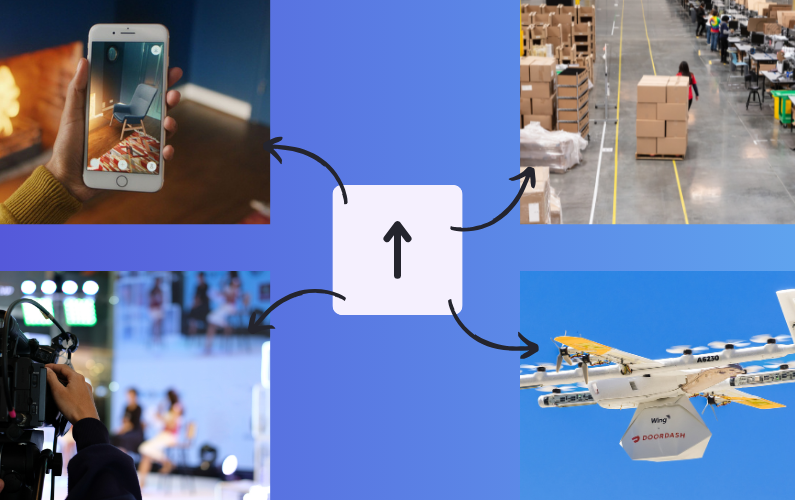
10 ecommerce trends to watch in 2026
One thing about the ecommerce market is that it’s always looking ahead. Each year comes with new trends that either shape online shopping experiences or die out shortly. As an online retailer looking to be competitive and thrive, you must stay ahead of the trends that last.
In this section, we’ll go over 10 ecommerce trends you should prepare for in 2026. We’ll break them down, explain what they are, and why you should pay attention to them.
Ecommerce trend #1: AI-powered personalization
Artificial Intelligence (AI) and machine learning are some of the key technological advances driving ecommerce forward. They make online shopping fast, simple, and personalized. When it comes to personalization, AI is practically a household name.
It excels at using customer data (what your business knows about your customers) to deliver personalized shopping experiences for your customers.
Data such as:
- Their browsing history – Which product pages do they visit regularly?
- Their spending margins.
- The products in their wishlists.
- Search queries – which specific terms they use to find products.
AI systems can analyze this data, understand it down to the details, and tailor your customers’ shopping experiences based on it.
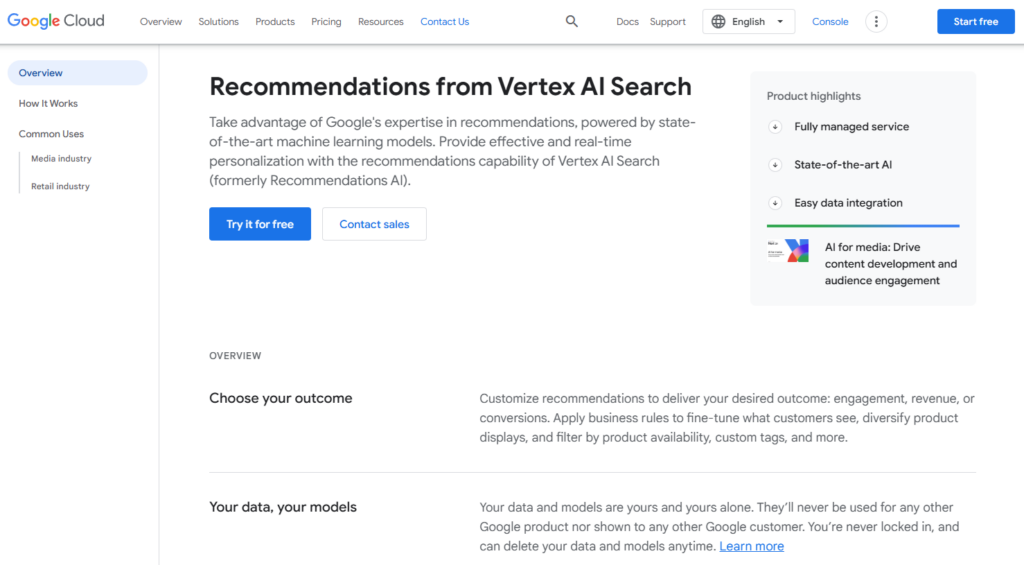
Why should you consider AI-powered personalization in 2026?
AI systems are best placed to deliver hyper-personalized shopping experiences for your customers. Imagine the first products customers see are the ones they’re actually looking for. Even better, imagine if all your products are displayed according to how much they matter to a specific customer.
This way, customers don’t have to sift through multiple products to find what they’re looking for. AI-powered personalization can make this happen. This is why, as a trend, it isn’t going away any time soon.
How you could use AI-powered personalization
About 33% of businesses use AI for personalization, including industry leaders such as Amazon, Walmart, and Etsy. They mainly use it to set up AI-powered product recommendation engines. You could also use it to set up dynamic pricing, the way Amazon does it.
Given that 71% of customers expect personalized interactions, expect more businesses to use AI-powered personalization to improve customer experience.
Ecommerce trend #2: AR and VR shopping experiences
Some businesses are improving their shopping experiences with augmented reality (AR) and virtual reality (VR). AR and VR technology allow online shoppers to virtually try on or test products through a smartphone or a VR headset.
Let’s look at a real-world example to understand what AR and VR shopping experiences look like.
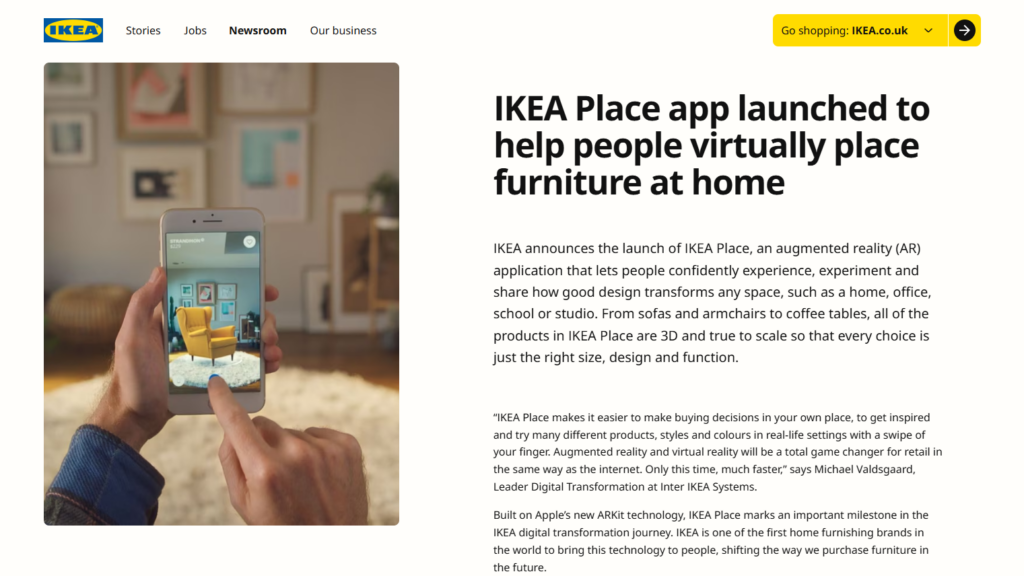
IKEA’s AR shopping experience – Try before you buy
One of the biggest challenges about furniture shopping is that customers don’t get to see how a piece of furniture they want to buy would fit in their space. This could lead them to buy a sofa that doesn’t fit in their living room space or whose color doesn’t sit well with the rest of the furniture.
To solve this, IKEA has the Place app. This is an AR-powered app that customers can use to view 3D digital images of furniture in their homes using their phone’s camera.

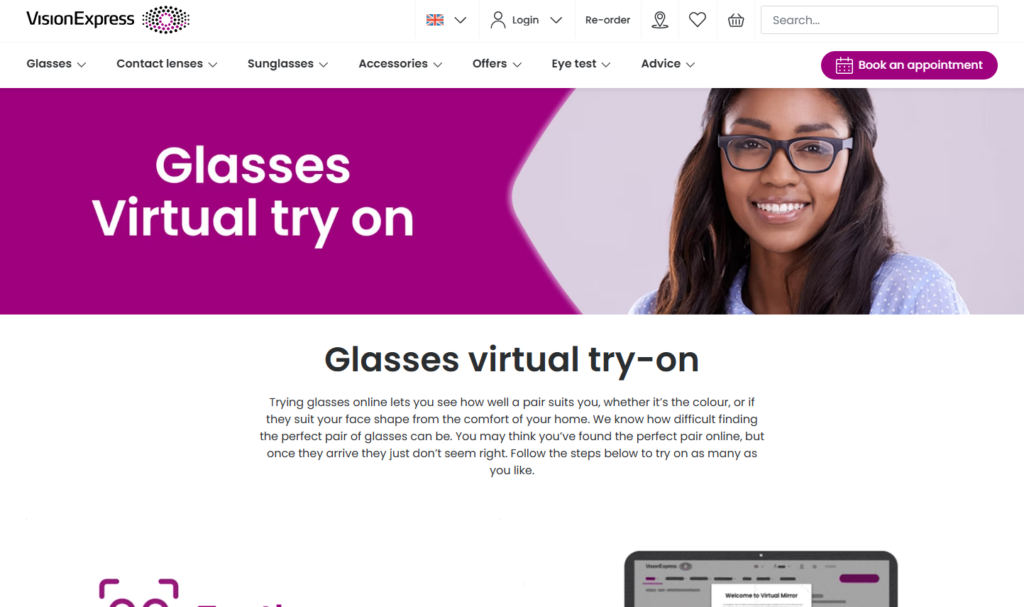
Apart from IKEA, Vision Express offers a virtual fitting try-on option, where customers can see how glasses fit on their faces.
Why AR and VR shopping are trends to watch out for
Ecommerce customers can’t physically see, touch, and try out products before buying them. Because of this, they’re more likely to buy products that don’t fit, unlike customers who buy from brick-and-mortar stores.
This is probably why the ecommerce return rate is about 18% which is 10% more than the return rate in brick-and-mortar stores.
AR shopping provides the next best thing. It creates online shopping experiences that feel like stepping into a traditional store. As a result, expect more businesses that sell clothing, furniture, fashion supplies, etc., to add it to their ecommerce stores and improve customer satisfaction.
Note: VR shopping has failed to pick up the same pace as AR shopping because the setup equipment is expensive. Whether this changes in the coming years remains to be seen.
Ecommerce trend #3: Increased video-driven marketing
Video marketing will continue to dominate in 2026 and beyond because, let’s face it, video content is much more engaging than plain old text. It’s also more shareable.
Studies show that video content is 52% more likely to be shared than any other content. This means that video content can capture and retain site visitors and reach more customers when they share it.
Expect retailers to increase their use of video marketing, from short-form videos, live streams, and product demos to user-generated content. According to Wyzowl, 91% of businesses used video content for marketing, and this is expected to go up in 2026.
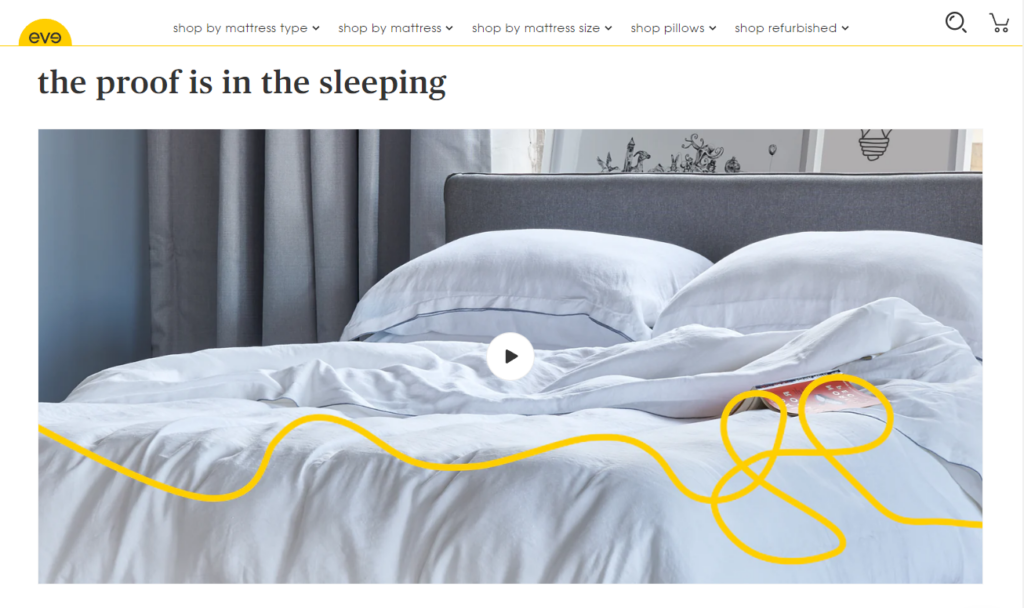
Now that you know video marketing isn’t going anywhere, you can take advantage of this trend with the help of the WordPress plugin WooThumbs for WooCommerce.
Upgrade your product gallery with videos using WooThumbs
If WooCommerce is your ecommerce platform, you know that its default product gallery is a little basic. You can’t add videos to your product page, which limits your video marketing efforts.
Luckily, you can add product videos and improve your WooCommerce product gallery easily using the WordPress plugin WooThumbs.
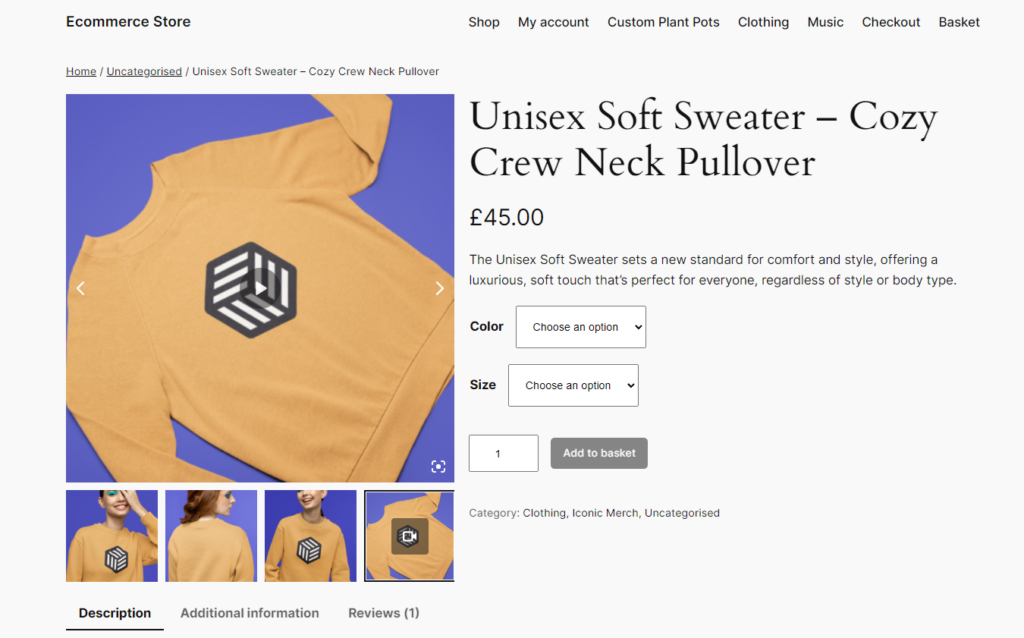
WooThumbs allows you to upgrade each aspect of your WooCommerce product gallery. This includes layout, thumbnails, slider autoplay options, and the overall appearance. It even lets you add transition and hover, which customers will enjoy as they browse through your gallery.
Add product video to WooCommerce product pages with WooCommerce
Perhaps its best feature is that it allows you to add product videos to extend your video marketing strategy to your product page. You have two options to do this.
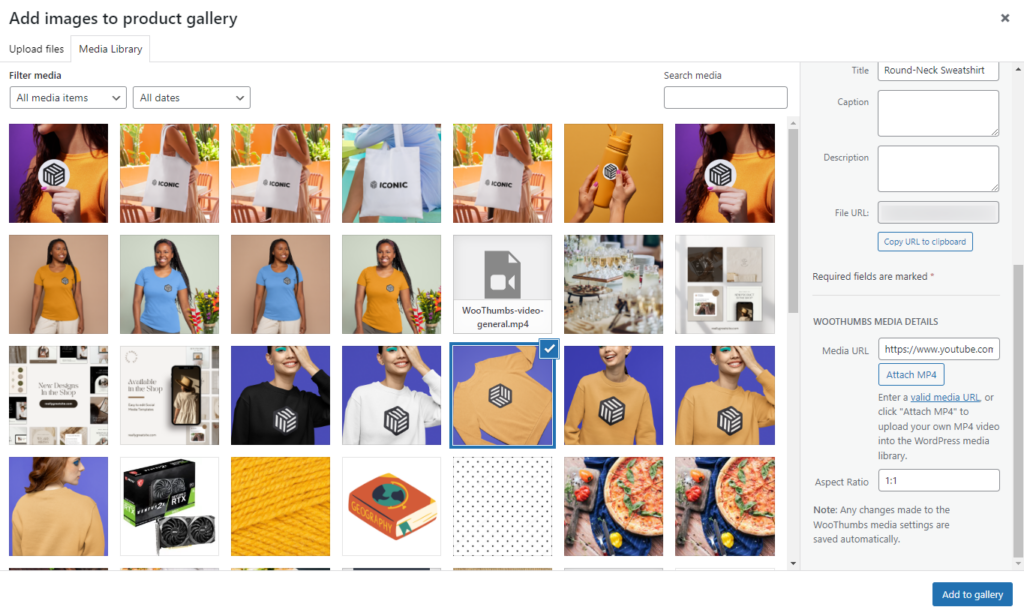
You can either:
- Upload your video to WordPress and add it to the product gallery.
- Host your video elsewhere, for example, on YouTube or Vimeo, and add the link to the product gallery. This way, you’ll avoid slowing down your ecommerce site if your video file is large.
WooThumbs equips your product page with a modern media player. The result? Customers will view your videos from a slick media player and want to engage with it. With WooThumbs, you can create a WooCommerce Product gallery that boosts your conversion rates.
WooThumbs for WooCommerce
Customize your WooCommerce product image gallery in minutes with a new layout, embedded video, multiple images per variation, and more.
Ecommerce trend #4: A focus on Direct-to-Customer selling
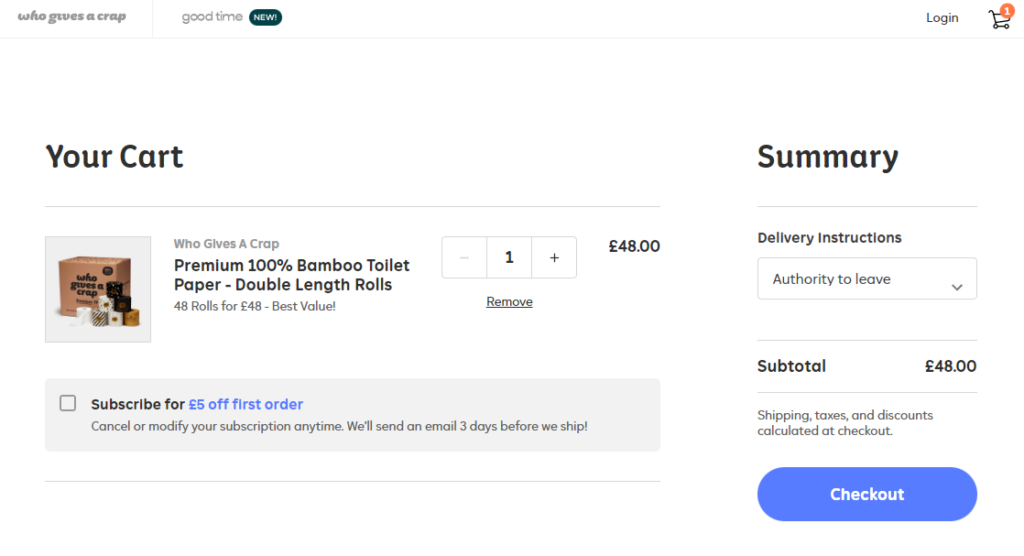
A Direct-to-Customer (DTC) business model is exactly what it sounds like. In this business model, you, as a manufacturer, sell your products directly to customers instead of selling them through wholesalers and retailers.
We can look at it as a way to ‘cut out the middle man’ and have a direct relationship with your customers.
The DTC sales strategy is on the rise. It is expected to have a compound annual growth rate of 15.4% up to 2032. But why is this model growing at such a rapid rate?
Why DTC selling is gaining traction
The greatest benefit of this type of business model is that it allows you to own the customer relationship. When you sell through wholesalers and retailers, you don’t have direct access to your customers, which leaves you with little to no control over their experience.
But with DTC selling, you can have:
- Control over the supply chain. You won’t have to rely on the wholesaler or retailer suppliers working well to deliver a great experience to your customers.
- Higher profit margins. Since you won’t be sharing your profits with other sellers.
- Better cross-selling. As customers browse through your online store, you can suggest complementary products they can add to their purchases.
- Regular sales through subscriptions. You can implement a subscription model and have customers buy your products regularly.
A DTC business model is a great way to inspire customer loyalty. So, if you manufacture products yourself, there isn’t a better time to start selling them directly to customers than now.
Ecommerce trend #5: Greater social commerce integration
Today, social media is very much a part of the ecommerce customer journey. Retailers are increasingly using social media to promote and sell their products. That’s what social commerce is.
Social commerce is booming because this is where Millennials and Gen Z spend most of their time. Now, any business across the ecommerce industry has a social media account where it can engage with customers.
Initially, social commerce was all about posting product images or videos on social media to create awareness and reach out to a wider audience. But now, it has evolved (and will keep on evolving) as part of ecommerce businesses’ omnichannel experience.
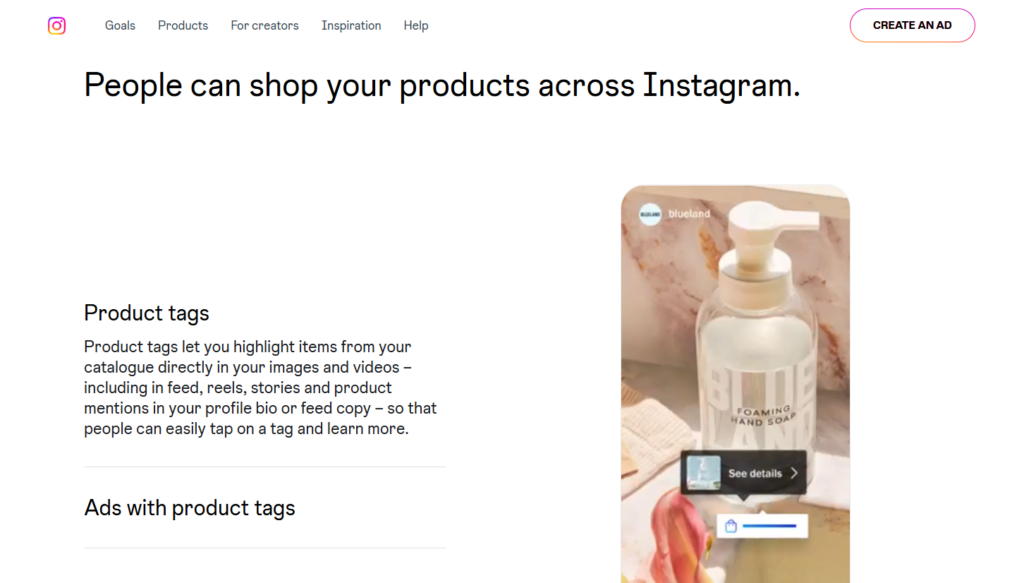
Social media platforms will continue their evolution as sales channels
Statista forecasts that the global ecommerce value of social commerce will reach about $2.9 trillion in 2026. This is because these social media platforms will keep evolving as sales channels in the following ways:
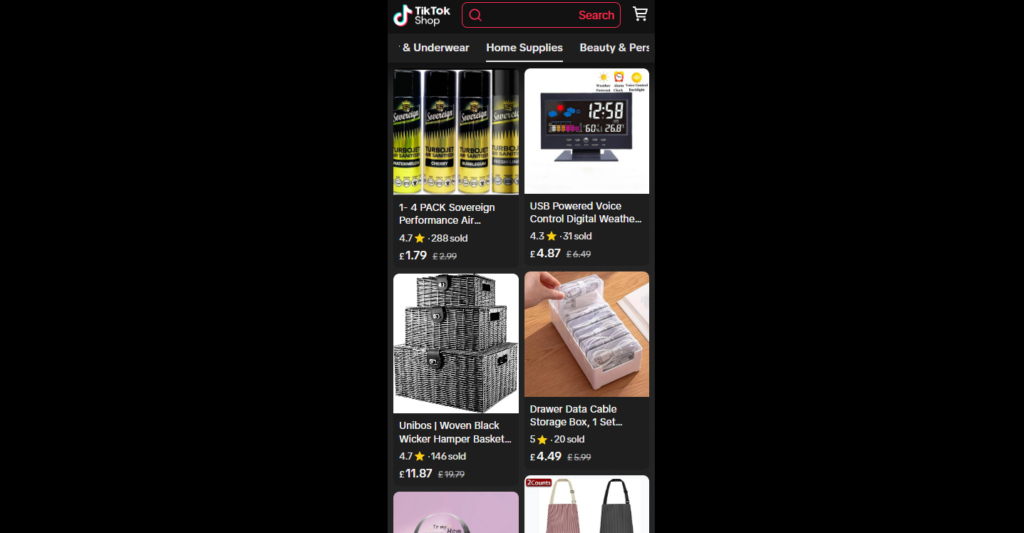
Shoppable posts
Platforms like TikTok and Instagram are doubling down on shoppable posts – posts that customers can directly shop from. TikTok on its own has a TikTok shop where you can upload products for your customers to discover and buy.
Despite being launched in late 2023, 11% of US households have already bought from it.
Live commerce
This is where customers purchase products during social media live streams. Consumers in China are well-familiar with this trend. It isn’t as popular in the West, and you could get an edge over your competitors by adding it to your sales strategy.
Mobile payment option integrations
Social commerce platforms will integrate more payment methods to keep the entire shopping experience within the platform. This includes digital wallets such as PayPal, Amazon Pay, Apple Pay, etc., and credit cards. We could also see flexible payment options such as Buy Now, Pay Later (BNPL) integrated into these platforms.
As mobile shopping grows, so will social commerce. This makes investing in social commerce a great way to get online sales.
Ecommerce Trend #6: AI-driven customer support
The future of customer support is automation powered by generative AI. Generative AI is a newer, more capable type of AI system that can create new content (text, images, video, etc.) based on your instructions.
Currently, generative AI powers most of the customer support chatbots. And it is expected to continue doing so in the coming years.
AI will handle 40% of customer service interactions by 2030
Gartner predicts that these AI-powered chatbots will handle 40% of customer service engagements by 2030.
Why is that? Generative AI equips customer support chatbots to take most of the work off your customer support agents. As a result, your customer service AI chatbots will be able to:
Deliver personalized responses in real time
AI chatbots have access to your business data. When a customer asks a question, it can pull resources and generate accurate responses in real-time. Generative AI’s capabilities to analyze and understand data will be called to action to deliver responses that aren’t just personalized but also relevant.
Allow voice search and even image search
Because of generative AI, your customers don’t have to type in their queries all the time. They can simply ask it for direction by voice, or they can record a video demo as input. Because of this, customers will have an easier time describing their issues to your AI chatbots.
For example, if they’re having trouble installing, they can record a video showing their progress and ask for advice. The chatbot will understand their issue and respond based on your business’ data.
What does this mean for human customer support agents?
The rise of AI in customer service comes with its share of concerns. Will human agents be replaced with AI chatbots? This is a valid concern, although it’s said that AI is meant to support these agents rather than replace them.
Still, there will be advanced cases that the chatbot will forward to human agents. Ultimately, combining AI-driven customer support and human agents will improve the quality of customer relationship management(CRM) efforts.
Ecommerce Trend #7: Prioritizing hyperlocal deliveries
A hyperlocal delivery model involves delivering products within a small, specific area, such as a neighborhood or a few city blocks. Ecommerce brands are focusing on hyperlocal deliveries because the demand for fast deliveries is going up.
Let’s look at some numbers to put this into perspective:
- 58% of consumers paid for faster deliveries in 2023. This is close to a 20% increase compared to 2020.
- 46% of Millenials and 40% of Gen Z are willing to try a new retailer that offers fast deliveries.
All of these numbers spell one thing: the faster the deliveries, the better. which is what is driving businesses to invest in hyperlocal deliveries.
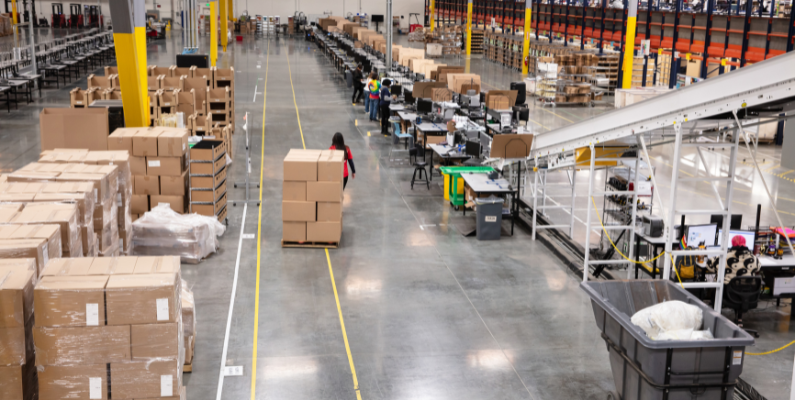
Ecommerce brands are investing more in hyperlocal delivery logistics
Forcing your customers to wait 5 – 7 business days to receive their order won’t cut it anymore.
This is why ecommerce brands are investing more in hyperlocal delivery logistics such as:
- Microfulfilment centers.
- Local couriers.
- Dark stores, etc.
With these resources, you can deliver products to customers on the same day or the next day. Which appeals to current customer preferences for faster deliveries.
If you want to deliver locally, you’ll need to set up a delivery schedule. This way, you can always deliver the orders on time and keep your customers and staff happy.
Unfortunately, WooCommerce doesn’t allow you to do this by default. Luckily, you can set up a delivery schedule that works for you and your customers easily with the WordPress plugin WooCommerce Delivery Slots.
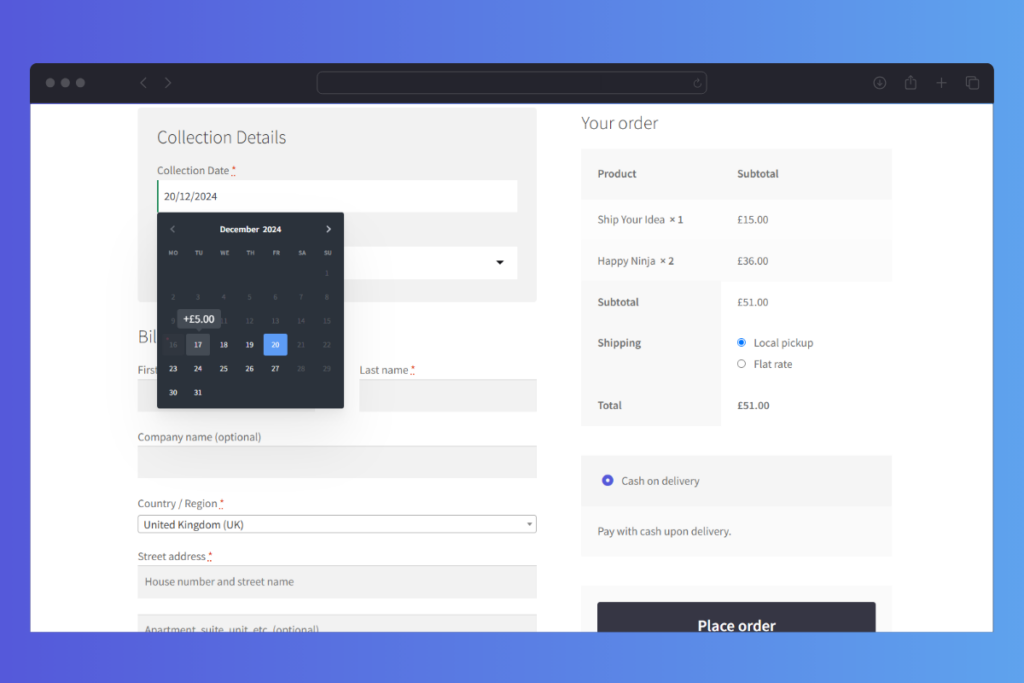
Create a flexible local delivery schedule with WooCommerce Delivery Slots
With WooCommerce Delivery Slots, you can easily set up a flexible delivery schedule for your WooCommerce store. Flexible in the sense that customers can pick a specific date and time when it would be convenient for them to receive their orders at checkout.
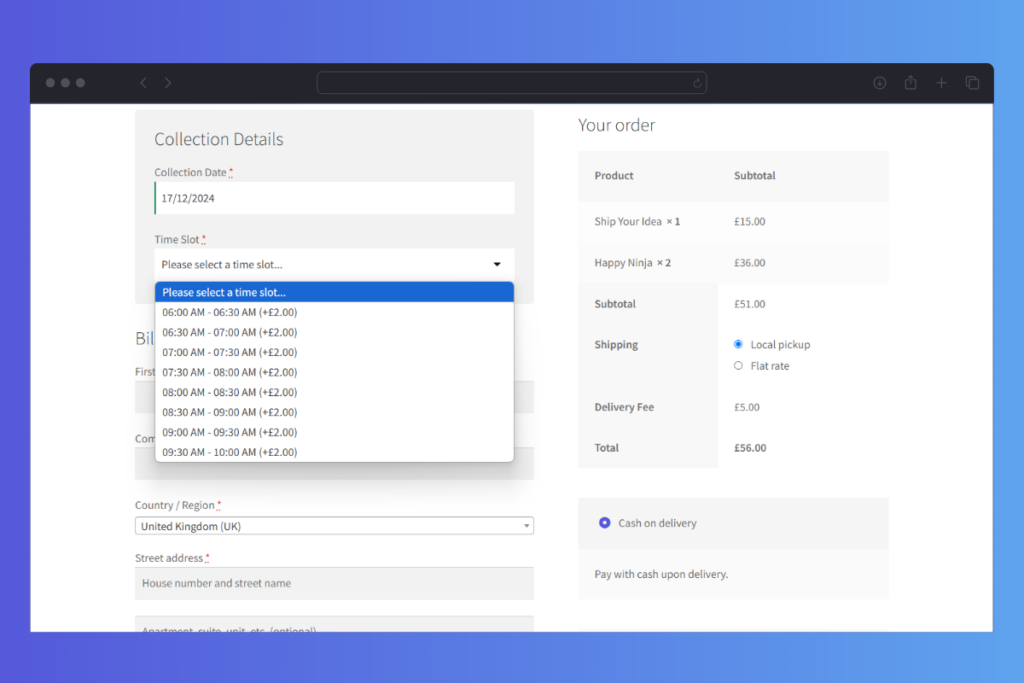
To ensure you always deliver your orders on time, you can customize this schedule to suit your staff in the following ways:
- Create specific time and date slots that customers can select.
- Customize your time slots by setting a maximum order per time slot, same-day cut-off time, etc. This way, you can always fulfill your orders.
- Charge additional fees for faster deliveries (same-day deliveries) and boost your average order value.
- Set holidays/weekends when you don’t offer delivery services.
This plugin has an Upcoming Orders dashboard where you can see the orders coming in and what needs to be delivered. This allows you to stay on top of your delivery schedule.
To top it off, you can allow customers to reserve time slots even before they start shopping on a reservation table.
WooCommerce Delivery Slots
Let customers choose their preferred WooCommerce delivery date and time right from your WooCommerce checkout page. With WooCommerce Delivery Slots, you can set a flexible delivery schedule to suit you and your customers.
Ecommerce trend #8: Contactless delivery by drones and autonomous vehicles
Drones and autonomous vehicles aren’t new technologies. But their usage in ecommerce deliveries is relatively new. To be specific, this picked up during the COVID-19 pandemic. Recent activity suggests that more businesses will keep adopting this trend.
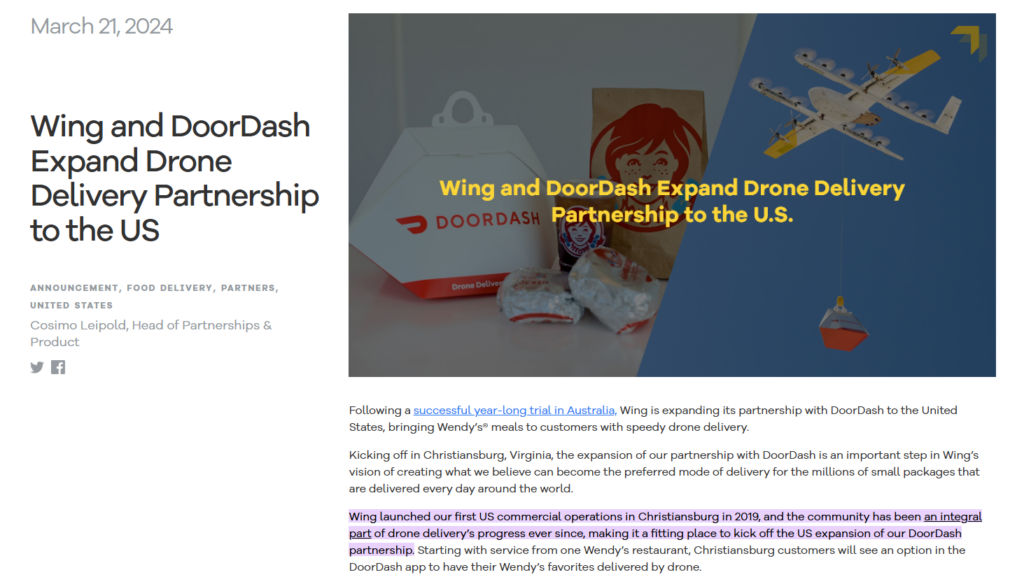
The food delivery industry is leading in the adoption of contactless delivery
Major players in the food delivery industry have been the frontrunners in adopting drones and autonomous vehicles to deliver food to customers. In 2024, we saw some of them extending their contactless delivery services.
- DoorDash has been using Wing’s (a delivery drone service provider) drones to deliver takeout in Australia since 2021. In 2024, DoorDash has extended this partnership to start offering deliveries by drones to the US market.
- In the same year, Uber Eats formed a partnership with Waymo (an autonomous vehicles company) to start using Waymo vehicles to deliver food in Phoenix, Arizona.
In 2026, drone and autonomous vehicle deliveries will likely become more common, especially in suburban neighborhoods.

Why contactless deliveries will become more common in the coming years
The reason why contactless deliveries are set to increase is due to their benefits.
These include:
- Faster deliveries. Drones will take the shortest route to your customers.
- Lower operational costs. You’ll save on fuel.
- Reduced environmental impact. When you use electric drones, you can reduce carbon emissions to the atmosphere when compared to vehicles. However, more data is needed on this.
Given that 66% of customers care about sustainability, offering deliveries via electric drones could give you an edge over the competitors that don’t.
Ecommerce trend #9: Customer retention over acquisition
Ad costs are rising. In 2024, the average cost-per-click for Google Ads increased to $2.53 up from $2.42 in 2023. Some of it stems from Google’s new advertising policies, but most of it is a result of increased inflation and competition.
So, what does this mean for businesses moving forward? Ecommerce businesses will prioritize retaining the customers they already have over acquiring new ones.
Studies show that returning customers spend 67% more than new customers. Because of this, focusing on customer retention is a no-brainer.

Ecommerce businesses will focus more on retention strategies
To retain more customers, expect more businesses to implement strategies such as:
- Offering subscriptions. There is perhaps no better way to guarantee repeat purchases than with subscriptions. This business model is popular with but not limited to SaaS providers.
- Implementing loyalty programs. Loyalty programs in your ecommerce site encourage online purchases. This is because customers will be motivated to buy from you to earn the program’s rewards.
- Improving customers’ in-store and post-purchase shopping experiences. Customers are more likely to return if they have a great shopping experience. So, more brands will focus on optimizing their in-store shopping experiences.
This includes optimizing the ecommerce site speed, mobile friendliness (for shoppers on mobile devices), checkout flow, and post-purchase experiences.
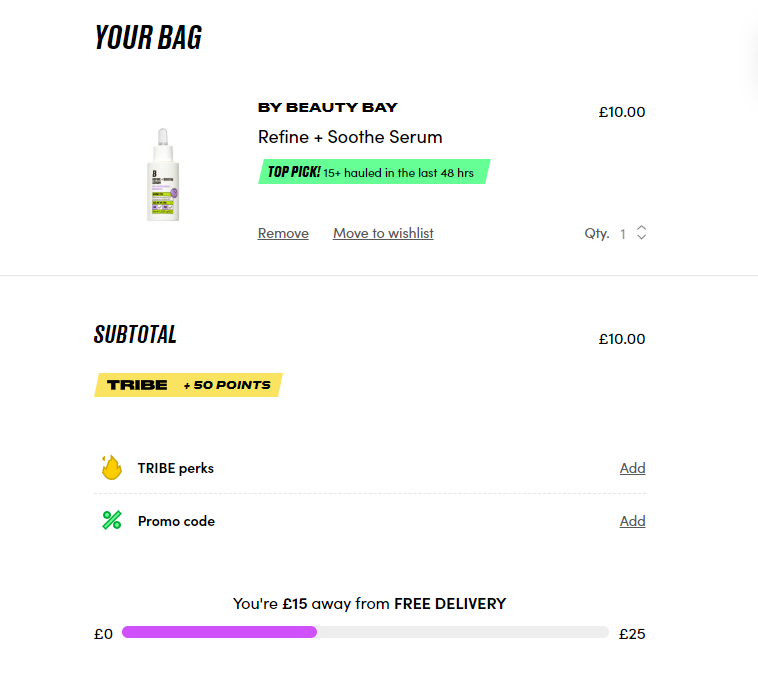
Your post-purchase experience is what will keep customers coming back. If you want to retain more customers, you’ll have to improve it.
To do this on your WooCommerce store, you’ll need the WordPress plugin Flux Checkout for WooCommerce.
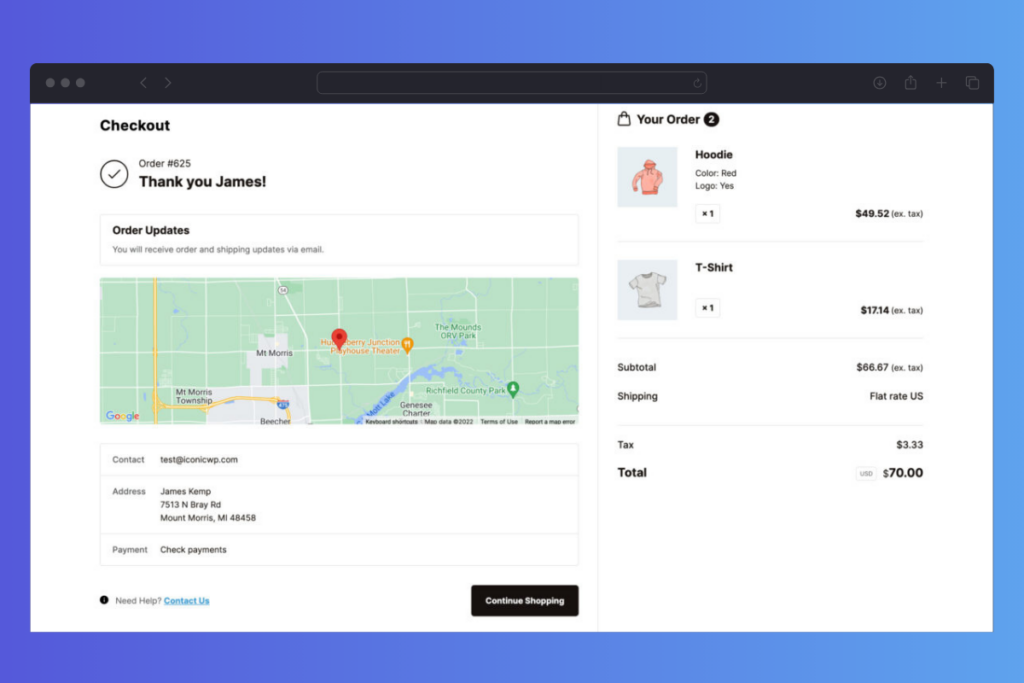
Improve your post-purchase experience with Flux Checkout
The default WooCommerce checkout is okay for simply getting purchases over the line. But when it comes to providing customers with the checkout and post-purchase experience that will keep them coming back, it might be time to upgrade.
Flux Checkout takes the default WooCommerce checkout and converts it into one that is lightning-fast and distraction-free. First, it makes it multi-step, breaking it down into smaller steps that are easier to complete.
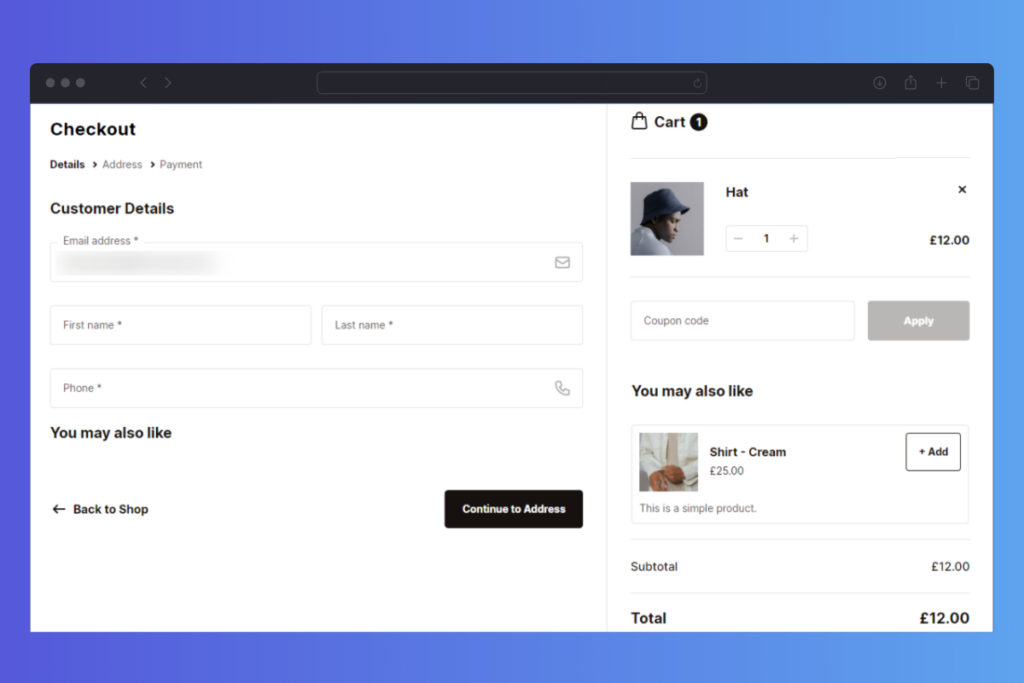
You can choose to remove distractions such as the following so that customers focus on completing the checkout:
- Headers and footers.
- Unnecessary fields such as the company and coupon fields.
To help customers have an easy time filling checkout fields, it auto-fills address fields for them. With its checkout elements feature, you can display messages, trust seals, or any other content that helps customers make a purchasing decision.

How Flux helps you retain customers
So that’s how Flux helps you get as many purchases as possible over the line. Flux’s power in helping you retain customers lies in its custom order confirmation/thank you page.
With this plugin, you can add custom content to your order confirmation page and unlock its potential to retain customers. You can use Flux’s customizable thank you page feature to share information that could be useful to customers.
For example:
- An installation manual for electronics.
- A recipe, if you’ve sold food or a meal kit.
- Steps on how to care for a product to extend its lifespan.
You could also use this to add content inviting them to keep shopping or interacting with your brand. For instance, links to your socials and community forums or promo codes on their next purchase.
Flux Checkout for WooCommerce
Flux Checkout transforms the default WooCommerce checkout into one that’s lightning-fast, distraction-free, and reduces checkout abandonment.
Ecommerce trend #10: Limited-time products will continue to drive demand
Customers crave exclusivity and this means that limited-edition products will keep having a high demand.
Consumer surveys reveal that 50% of shoppers have made a purchase because of a limited-time offer.
Why limited-time offers generate demand
Customers are often attracted to products perceived as exclusive because they feel it raises their status. Limited-time offers create a sense of urgency and fear of missing out (FOMO). This pushes customers to act quickly to secure this limited opportunity by buying the product.
Because of this, retailers will keep making limited-time products and offers in different ways, such as:
- Partnering with celebrities to create celebrity-inspired limited editions (great for fashion brands).
- Offer holiday-themed collections, for example, Father’s Day mugs.
- Seasonal flavors for beverages.
You can create your limited-time offers in the same way. Once you do, offer them to customers using the WordPress plugin Iconic Sales Booster for WooCommerce.
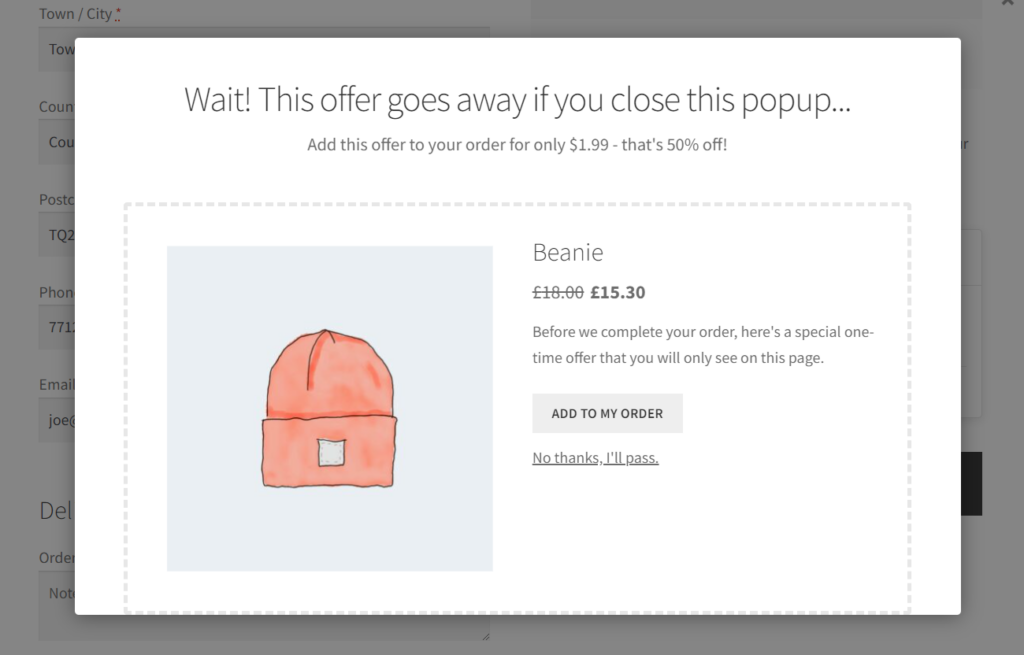
Create and showcase limited-time offers with Iconic Sales Booster
With Iconic Sales Booster, you can create one-time, heavily discounted offers and showcase them where customers will likely purchase them. Sales Booster is a WooCommerce cross-selling plugin that allows you to cross-sell throughout your customer’s journey to completing a purchase.
You can display cross-sells on the:
- Product page. Under a ‘Frequently Bought Together’ section.
- Once a customer clicks ‘Add to Cart.’ Under a ‘Customers also Bought’ section.
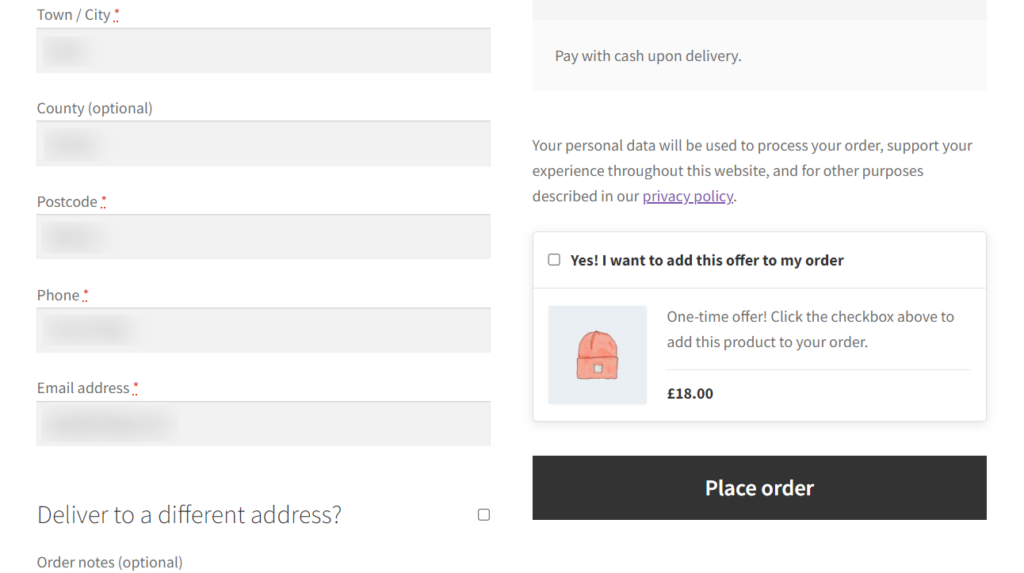
Displaying limited-time offers with Iconic Sales Booster
As for limited-time offers, Sales Booster allows you to display them during the checkout and post-purchase. This is where customers are more likely to make impulse purchases.
You’ll be able to:
- Add one-time heavy discounts (like 40% OFF) to entice customers to make a purchase decision.
- Customize the sales text to make the offer more appealing to your customers. For example, ‘For the next 12 hours, you can grab this Christmas Sweater at an unbeatable 40% OFF!’
You can set this up such that the offers are based on what is in a customer’s cart. Customers can add this offer to their purchase by simply checking a box. There’s no need to re-enter their credit card details which makes for a smooth experience.
Get ahead of ecommerce trends today
There we have it. The ecommerce trends you should keep an eye on this year. We hope this guide has helped you set your sights on which trends you’ll adopt to set yourself up for success.
And when you pick them, use the plugins we’ve covered in this guide to help you implement them:
- WooThumbs for WooCommerce – Add product videos to your WooCommerce product gallery.
- WooCommerce Delivery Slots – Create a flexible delivery schedule for you and your customers.
- Flux Checkout for WooCommerce – Engage your customers post-purchase and ensure they have a great post-purchase experience.
- Iconic Sales Booster for WooCommerce – Share limited-time offers with your customers to encourage impulse purchases.
All of our plugins, one simple price
Join the All Access club and get all of our current and future plugins for one simple price.

Gina Lucia is our in-house Content Manager at Orderable. She writes articles, user guides, technical documentation, and creates videos on everything WooCommerce and Orderable.
Gina has been working in the WordPress/WooCommerce space since 2012 when she developed WordPress websites for clients large and small.
For the past 8 years, she’s been writing about everything WordPress and WooCommerce, becoming an expert in what makes a WooCommerce store succeed.
When not writing, Gina loves to tend to her vegetable garden, read, or travel to mainland Europe.