
If you want to create a strong ecommerce marketing strategy in 2026, this article is here to help.
Digital marketing trends change fast, and without a clear plan, you’ll risk wasting your savings, struggling to attract customers, and falling behind competitors.
We’re here to make sure that won’t happen. We’re here to set you up for success.
In this guide, we’ll walk you through:
- How to structure your ecommerce marketing strategy.
- The key steps to developing a marketing plan.
- How to measure and optimize results.
By the end, you’ll have an actionable strategy to help you grow your ecommerce business in 2025.
WooCommerce Conversions Bundle
Increase your WooCommerce store’s conversion rate and watch your revenue skyrocket. Includes Sales Booster, Flux Checkout, and WooThumbs.
How to put together your ecommerce marketing strategy
Before we get into the details of your marketing strategy, let’s talk about the foundation first: what is an ecommerce marketing strategy?
An ecommerce marketing strategy is a structured plan to help you attract, convert, and retain customers using various digital channels. It includes tactics such as SEO, generative search, paid advertising, email marketing, social media, and more.
Why is this important in 2026?
- Rising advertising costs mean businesses need efficient strategies to maximize ROI.
- Increased competition in the ecommerce space makes differentiation much more critical.
- Evolving technologies such as AI, automation, and personalization are transforming marketing.
With a solid ecommerce marketing plan, you can stay ahead of trends and consistently grow your revenue.
How to format your ecommerce marketing strategy
A well-structured marketing strategy should be documented and flexible. Whether you use a Google Doc, Notion template, or spreadsheet, we recommend tracking your plans to make measuring and adjusting them more manageable over time.
Your best chance at success is to have a clear overview and a goal. Let’s stop “going with the flow” and develop a strategy with a target audience in mind.
Best practices for structuring your strategy:
- Keep it clear and actionable.
- Set measurable goals (KPIs).
- Use a data-driven approach.
- Be ready to adapt based on performance.
Your strategy isn’t a one-time plan or fixed in stone. As you monitor it, it will evolve as your business grows. It will also help you stay updated on market trends, customer preferences, and industry developments.
Let’s break down the steps to building a winning ecommerce marketing strategy.
Step 1: Set your ecommerce marketing strategy goals
Setting clear goals is the foundation of any successful ecommerce marketing strategy. Without specific objectives, wasting time and money on tactics that don’t drive accurate results is easy.
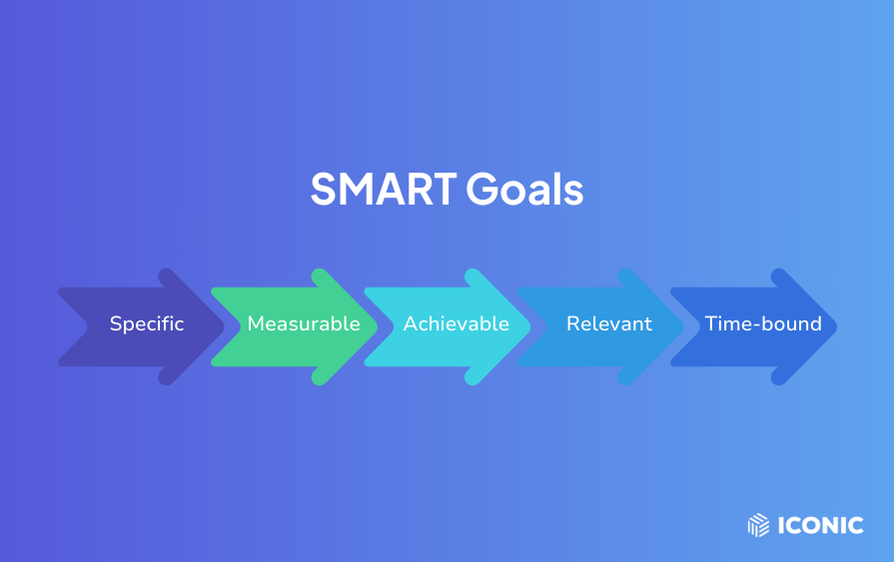
Use SMART goals:
One of the best ways to set goals is using the SMART methodology. Marketers who set goals are 376% more likely to report success than those who don’t.
This approach ensures that goals are well-defined but also measurable and achievable, making tracking progress and optimizing your strategy easier.
SMART stands for:
- Specific: Clearly define what you want to achieve.
- Example: Increase website traffic from organic search.
- Measurable: Set targets.
- Example: Grow website traffic by 30%.
- Achievable: Be realistic based on resources.
- Example: Achieve this growth by optimizing product pages and publishing 10 new blog posts.
- Relevant: Align with overall business objectives.
- Example: More organic traffic leads to higher sales, supporting revenue growth.
- Time-bound: Set a deadline.
- Example: Accomplish this within the next 6 months.
By setting SMART goals, you create a clear action plan, allowing you to focus on what truly moves the needle in your online store.
Step 2: Outline your target audience
Understanding your ideal customer is one of the most critical steps in building a successful ecommerce marketing strategy.
Your messaging, product positioning, and marketing campaigns will be ineffective if you don’t know who your potential customers are. You will have a hard time hitting your desired metrics.
A well-defined audience allows you to:
- Create personalized marketing. Tailor messaging, offers, and recommendations to specific customer segments.
- Choose the right marketing channels. Focus on platforms where your audience spends time.
- Improve ad targeting. Avoid wasting the budget on people unlikely to convert.
- Enhance product positioning. Highlight features and benefits that matter most to your ideal customers.
Key audience characteristics to define
To effectively market your ecommerce store, you need to go beyond basic demographics and understand the deeper motivations behind customer behavior.
- Demographics: who are they?
- Age range (Gen Z, Millennials, Gen X, or Boomers?)
- Gender (does your product cater to a specific gender, or is it unisex?)
- Income level (what’s their spending power?)
- Location (local, national, or international buyers?)
- Education and occupation (professionals, students, or retirees?)
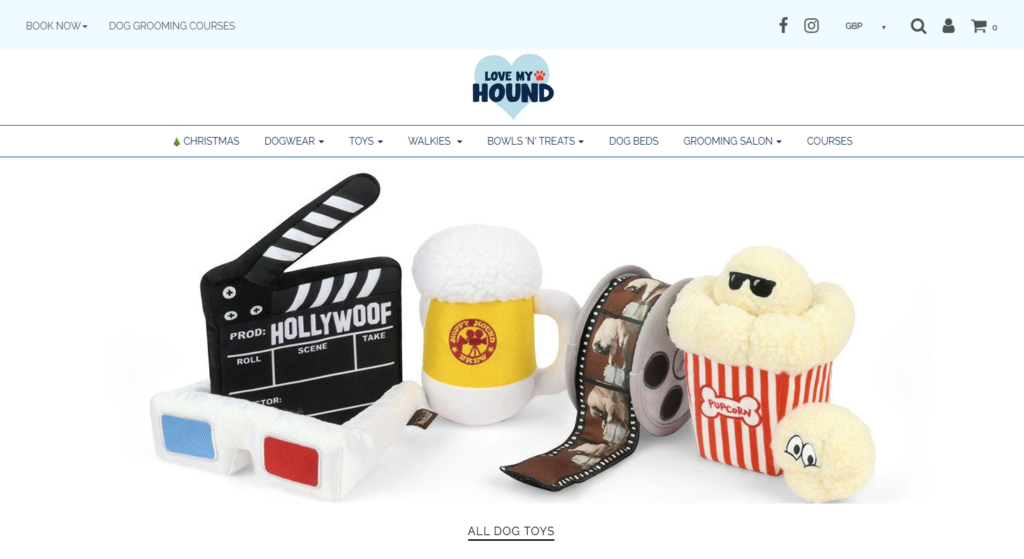
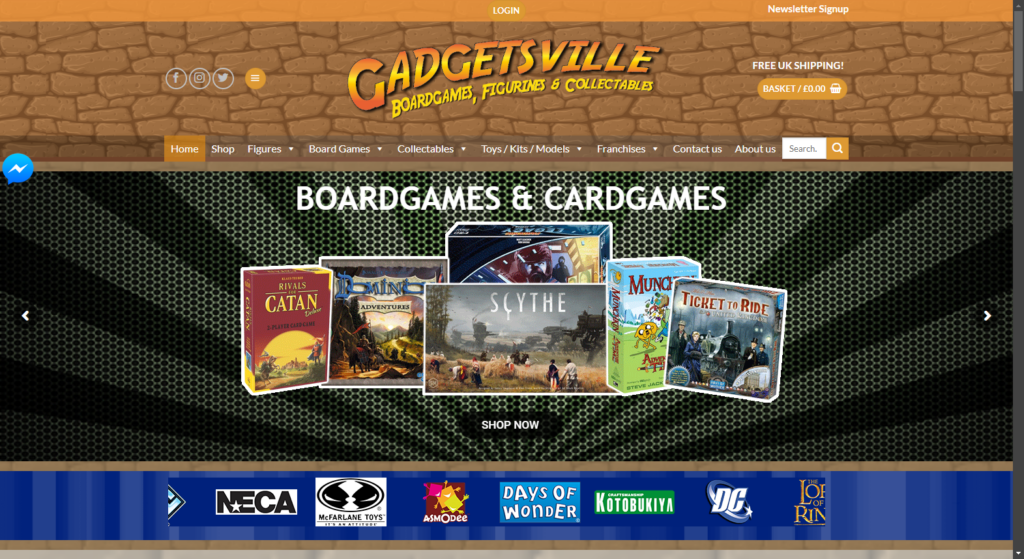
For example: suppose your target audience consists of young professionals (ages 25-35) with disposable income. In that case, you might focus your marketing efforts on social media posts and Facebook ads, as they will most likely be found there.
- Psychographics: what motivates them?
- Interests and hobbies (are they into fitness, sustainability, or tech?)
- Values (do they prioritize eco-friendly products, luxury, or affordability?)
- Pain points (what problems are they trying to solve?)
- Shopping behaviors (do they impulse buy or research extensively?)
For example: if your audience values sustainability, your content marketing strategy should emphasize eco-friendly packaging, ethical sourcing, and carbon-neutral shipping.
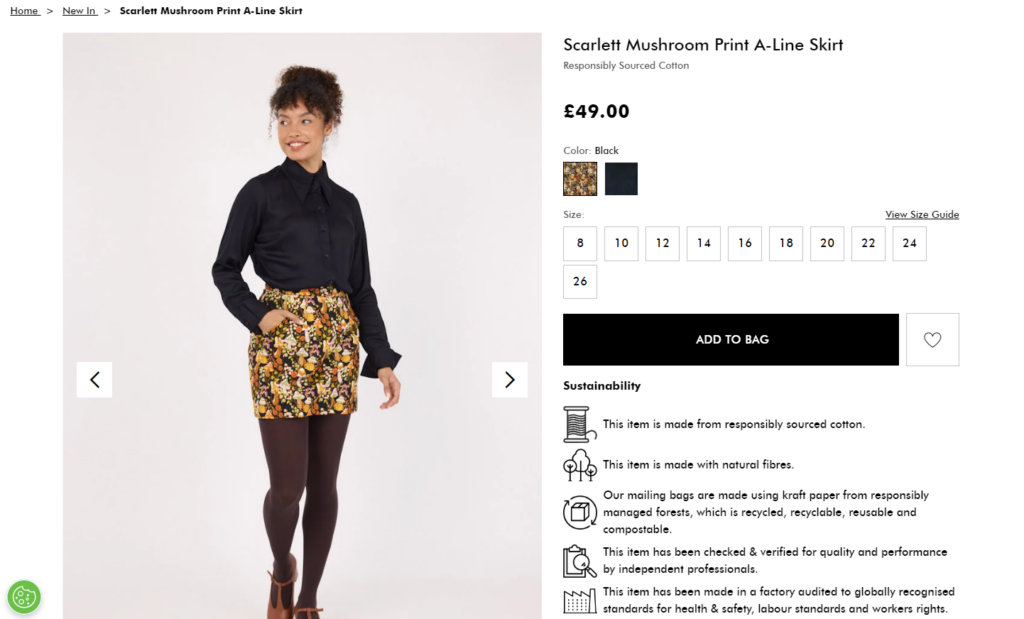
- Shopping habits: how do they buy?
- Preferred ecommerce platforms (Amazon, WooCommerce stores, Shopify stores, Etsy, or DTC websites?)
- Average order value (do they buy in bulk or prefer smaller purchases?)
- Frequency of purchases (are they one-time buyers or repeat customers?)
- Payment preferences (credit card, PayPal, Apple Pay, BNPL options?)
For example: if your audience prefers mobile shopping, ensure your site has the best mobile user experience with an easy checkout process.
If they frequently abandon carts, you can implement retargeting ads and send out abandoned cart emails to recover lost sales.

Create buyer personas
A buyer persona is a profile of your ideal customer. Combine all the aspects we discussed, such as demographics, psychographics, and shopping behaviors, into a fictional yet realistic profile.
This is the perfect customer to fill their shopping cart with your products.
Here’s an example:
- Name: Sarah, 29, Digital Marketer.
- Location: Los Angeles, CA.
- Income: $70,000/year.
- Shopping Behavior: Shops online weekly, prefers brands with strong social proof.
- Pain Points: She struggles to find high-quality, eco-friendly skincare products that fit her budget.
- Preferred Platforms: Instagram, TikTok, and YouTube.
If Sarah is your ideal customer, your marketing strategy to increase brand awareness is to target her on social media platforms with content about affordable yet sustainable skincare solutions.
By taking the time to understand your customers, you can easily drive traffic to your ecommerce site by using targeted marketing tools that work in your favor.
Step 3: Do some market research
Competitor analysis and industry research will help you refine your strategy. Instead of guessing, look at case studies to see what works for others in your niche.
By analyzing competitors, industry trends, and customer behavior, you can:
- Identify what’s working in your industry and replicate successful strategies.
- Find gaps in the market that your business can fill.
- Optimize pricing, positioning, and messaging to stand out.
- Reduce marketing waste by focusing on tactics that deliver results.
Let’s look at a step-by-step framework on how you can go about doing market research.
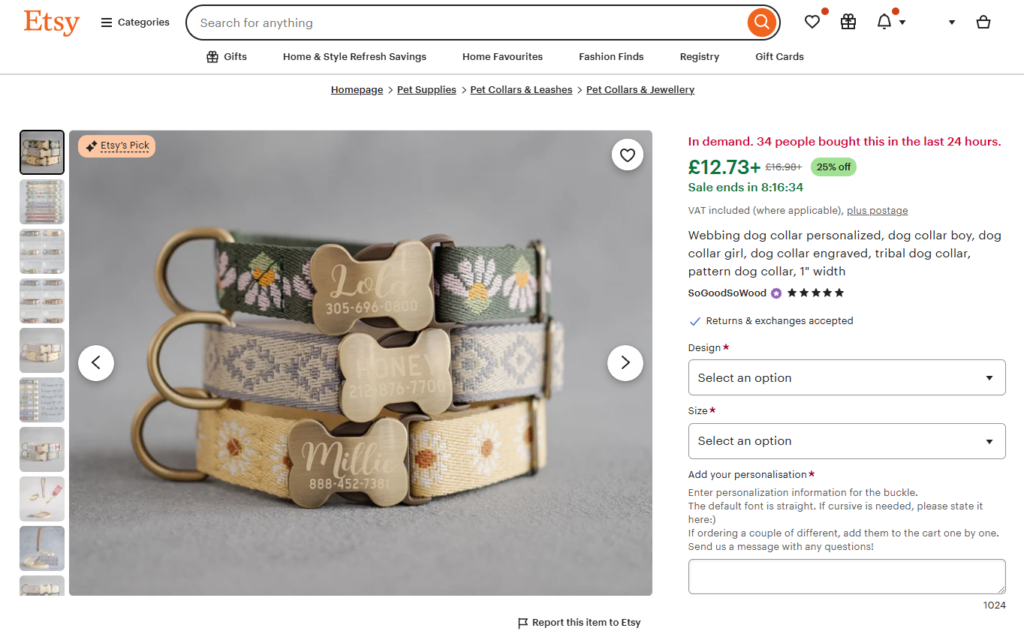
1. Competitor analysis: learn from the best (and worst)
Your competitors are a goldmine of information. Instead of starting from scratch, analyze what other online businesses are doing and identify ways to expand your customer base.
What to look for in competitor research:
- Ecommerce website & UX:
- How is their website structured? How many backlinks do they have?
- Is the navigation smooth and mobile-friendly?
- What content do they produce (blog, videos, product guides)?
- Do they use social proof like reviews, testimonials, or security badges?
- Marketing strategies:
- What advertising platforms do they use (Google Ads, Facebook, TikTok)?
- Are they doing affiliate marketing?
- Do they use retargeting ads to bring back visitors?
- What social media marketing channels are they using?
- Do they have an email list or run email campaigns?
- Pricing & offers:
- How do their prices compare to yours?
- Do they frequently run marketing tactics/incentives like discounts, bundle deals, ecommerce sales, or free shipping promotions?
- Do they have a customer loyalty program or membership?
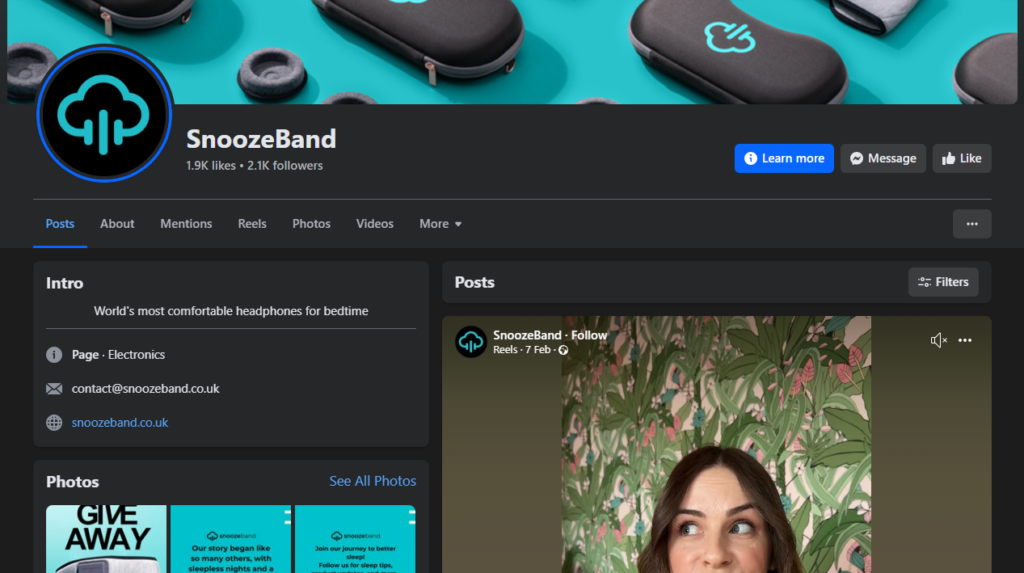
2. Customer insights: understand buyer behavior
Beyond looking at competitors, you need to listen to your customers.
Where to find customer insights:
- Reviews & feedback:
- Analyze reviews on your website, Amazon, Reddit, and competitors’ pages.
- Look for common praise (what people love) and frequent complaints (pain points).
- Reddit, Quora, & social media discussions:
- What questions are people asking about products in your niche?
- What frustrations or needs do they share?
- Google Analytics & search trends:
- What search engine results, terms, or hashtags bring traffic to your site?
- Which pages have the highest bounce rates (indicating issues)?
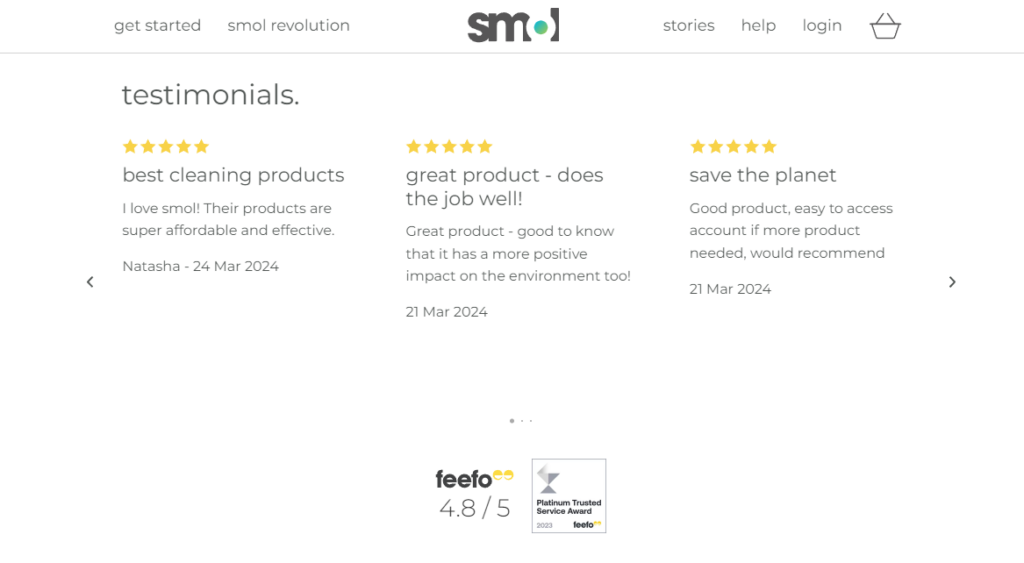
3. Industry trends: stay ahead of the curve
Ecommerce constantly evolves, and keeping up with trends gives you a competitive advantage.
Key ecommerce trends to watch:
- AI & personalization:
- Customers expect personalized shopping experiences with tailored recommendations (63% of marketers claim they saw increased conversion rates due to personalization).
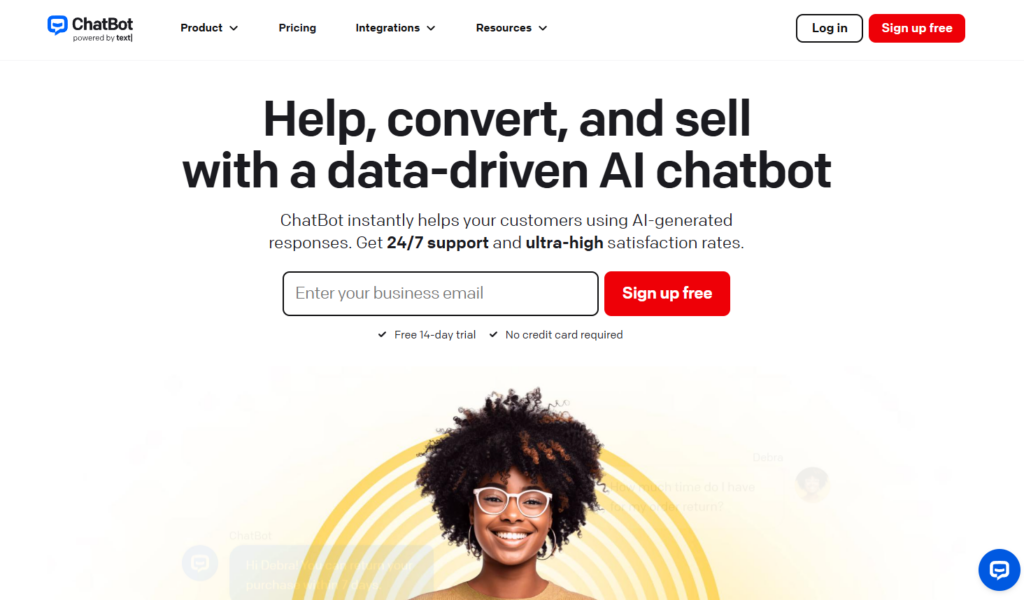
- AI-powered chatbots and smart product recommendations can boost sales.
- Sustainability & ethical shopping:
- More shoppers prefer eco-friendly brands that prioritize environmentally friendly practices and materials.
- Social commerce & live shopping:
- Platforms like TikTok Shop, Instagram Checkout, and YouTube Shopping are the new online shopping outlets. Companies using live commerce report conversion rates of around 30% (10x higher than standard ecommerce conversion rates)
Staying ahead of the curve means constantly doing market research. The online space is moving rapidly, and if you want to repeat purchases and loyal customers, you need to stay on top of the trends.
Now we’ve completed market research, we can focus on brand identity to reach your desired target market.
Step 4: Focus on your ecommerce brand identity
Your brand identity sets you apart in a crowded market. It’s how you build trust with your customers and improve customer retention.
Your brand identity should be consistent across your website, social media, and marketing campaigns. There are so many ecommerce brands that you must find a way to stand out.
A strong brand identity helps you:
- Differentiate yourself from competitors.
- Attract the right audience who resonate with your brand’s values.
- Build trust and credibility, leading to higher conversion rates.
- Increase customer loyalty, turning one-time buyers into repeat customers.
What is brand identity?
Brand identity is a unique combination of elements that make customers feel a certain way about you. It includes:
- Visual elements (logo, colors, typography).
- Brand voice and messaging (tone, personality, storytelling).
- Unique Value Proposition (UVP) (what makes you different?).
Your brand identity should be instantly recognizable on your website, social media, emails, and packaging. Let’s examine each of the three elements we just highlighted.
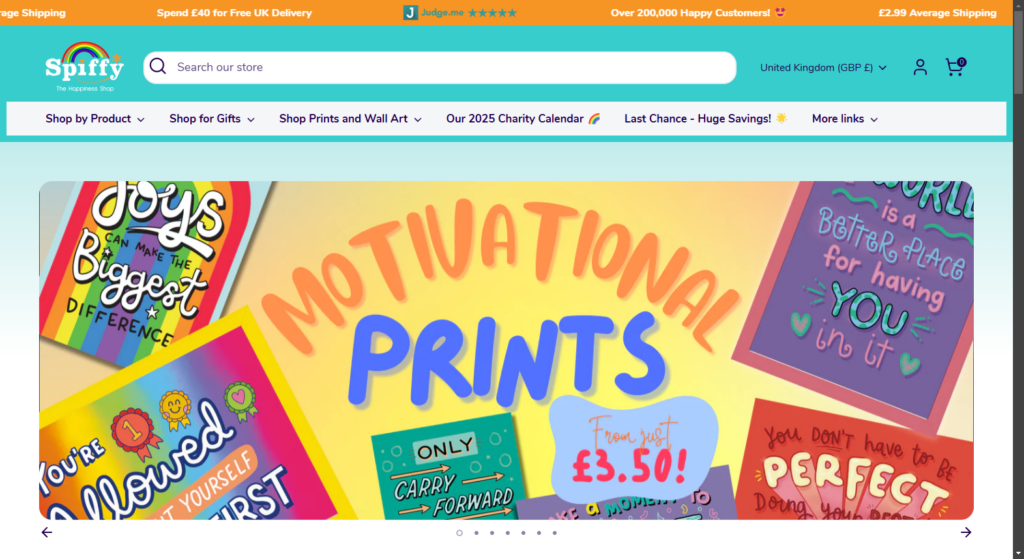
1. Visual branding: first impressions matter
People form an opinion about your brand in seconds based on visual design. You risk losing credibility if your branding doesn’t hit the sweet spot with your target audience.
Key visual elements of a strong brand:
- Logo & colors
- Your logo should be simple yet memorable. Think about Nike’s swoosh or Apple’s apple.
- Your color combinations should evoke emotions. Consider what each color represents and how it makes customers feel depending on their environment.
- Typography & fonts
- Choose 1-2 primary fonts for your website and marketing materials.
- Make them easy to read. Fancy fonts look cool but can be hard to read on mobile.
- Imagery & product photography
- High-quality product images increase conversion rates.
- Lifestyle photography helps customers visualize your products in real life.
Keep your visuals consistent across your website, ads, emails, and packaging.
2. Brand voice & messaging: how you communicate matters
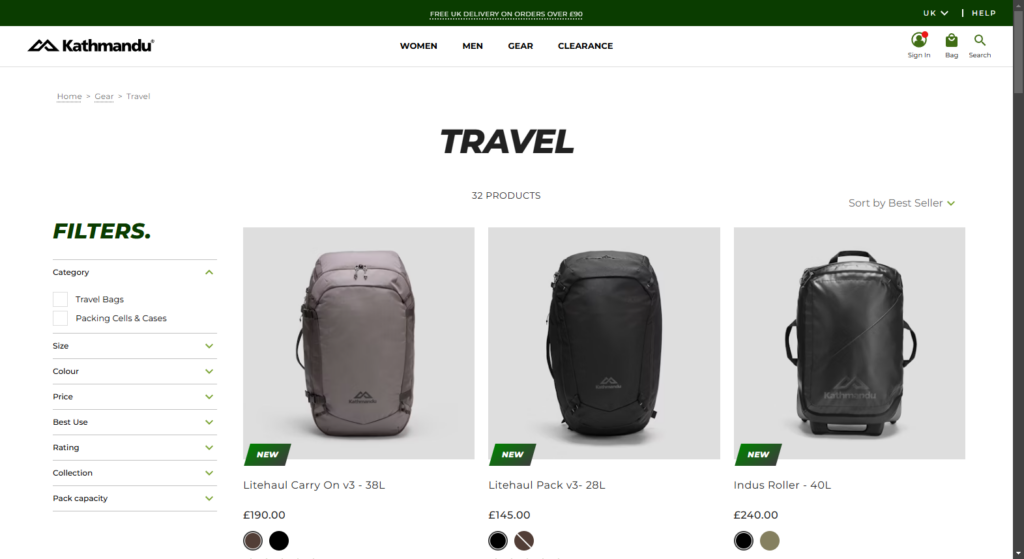
Your brand voice is how you speak to your customers. Are you fun and playful (Glossier), bold and edgy (Nike), or sophisticated and minimal (Apple)?
Key aspects of brand voice:
- Tone & personality
- Formal vs. casual: Are you talking to corporate professionals or Gen Z?
- Serious vs. playful: Do you use humor or keep it professional?
- Inspirational vs. direct: Are you motivating customers or getting straight to the point?
- Key messaging
- What’s the main problem you solve for customers?
- How do you communicate your value in a sentence?
Keep the messaging consistent across your website, product descriptions, social media, and email marketing.
3. Unique Value Proposition (UVP): what makes you different?
Your Unique Value Proposition (UVP) explains why customers should choose your brand over competitors.
How to define your UVP:
- What problem do you solve? (convenience, affordability, exclusivity?)
- How do you do it differently? (better materials, unique designs, faster shipping?)
- Who is your ideal customer? (eco-conscious, tech-savvy, fashion-forward?)
Your UVP should be the first thing customers see on your homepage and product pages.
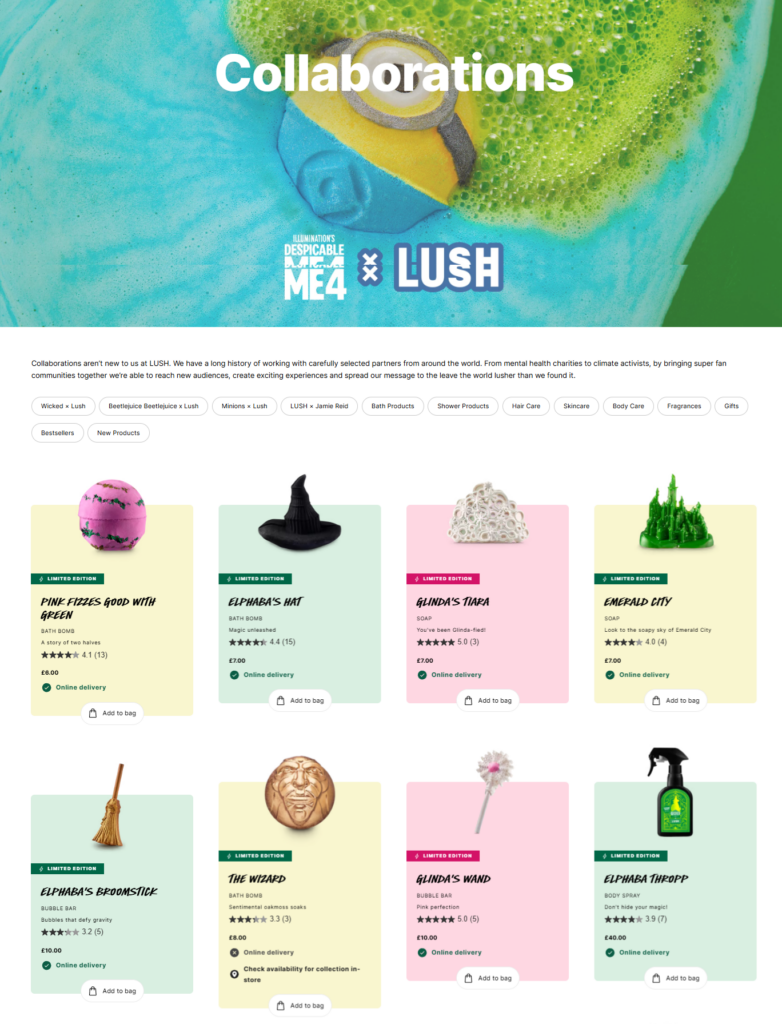
A strong ecommerce brand identity is about creating a memorable experience that keeps customers returning.
It’s time to execute once you’ve set your goals, defined your audience, conducted market research, and established your brand identity.
Step 5: Outline your ecommerce marketing strategies and choices
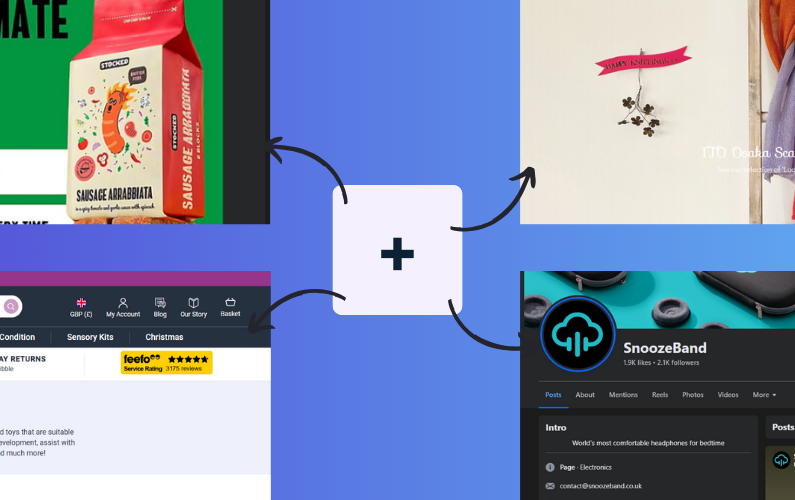
An excellent ecommerce marketing strategy is choosing the right mix of strategies that align with your goals and audience. Let’s break down the key marketing channels to help grow your ecommerce business.

1. Search Engine Optimization (SEO)
SEO is one of the most cost-effective ways to drive traffic to your ecommerce store (organic search accounts for 53% of website traffic).
It helps your website rank higher in search engines like Google, bringing in potential customers who are actively searching for your products.
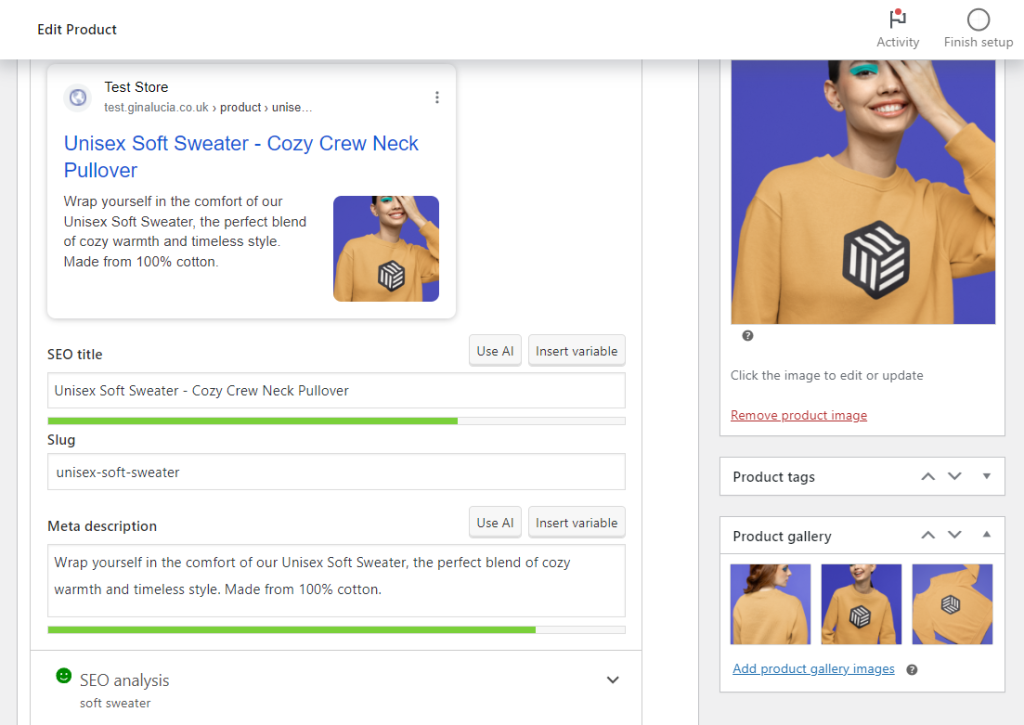
Key SEO strategies for ecommerce:
- Optimize product & category pages
- Use keyword-rich titles and descriptions.
- Add high-quality images with alt text.
- Include customer reviews to improve credibility.
- Content marketing for SEO
- Create blog posts that answer common customer questions (e.g., “Best running shoes for beginners”).
- Publish buying guides and product comparisons.
- Use how-to videos and embed them on product pages.
- Target long-tail keywords
- Do some keyword research. Instead of competing for broad terms like “sneakers,” optimize for specific, high-intent searches like “best waterproof trail running shoes for men.”
SEO is a long-term strategy, but when done right, it brings sustainable organic traffic with high purchase intent.
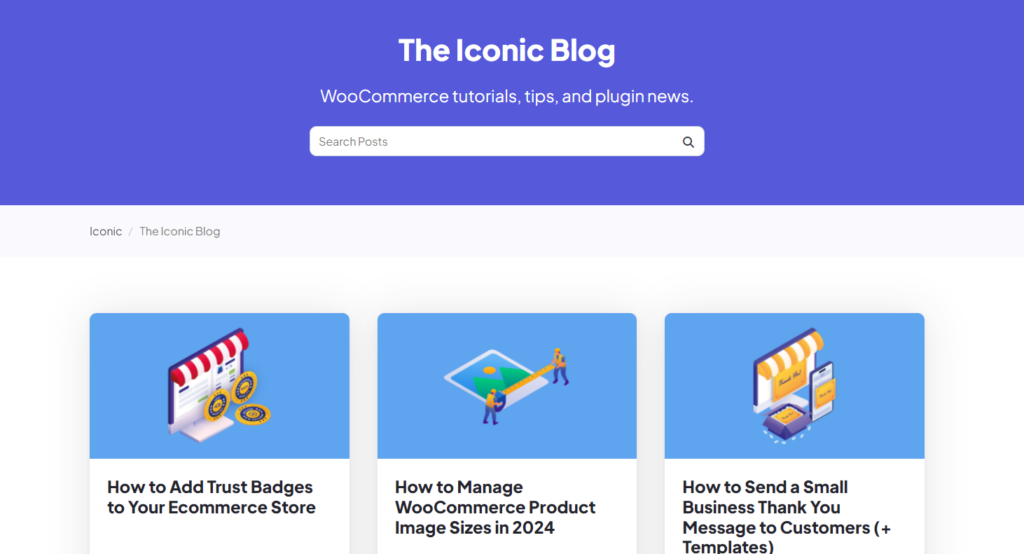
2. Content marketing: build authority and trust
Creating valuable content helps you attract, educate, and engage potential customers. When done correctly, content marketing can increase brand awareness, improve SEO, and establish trust with your audience.
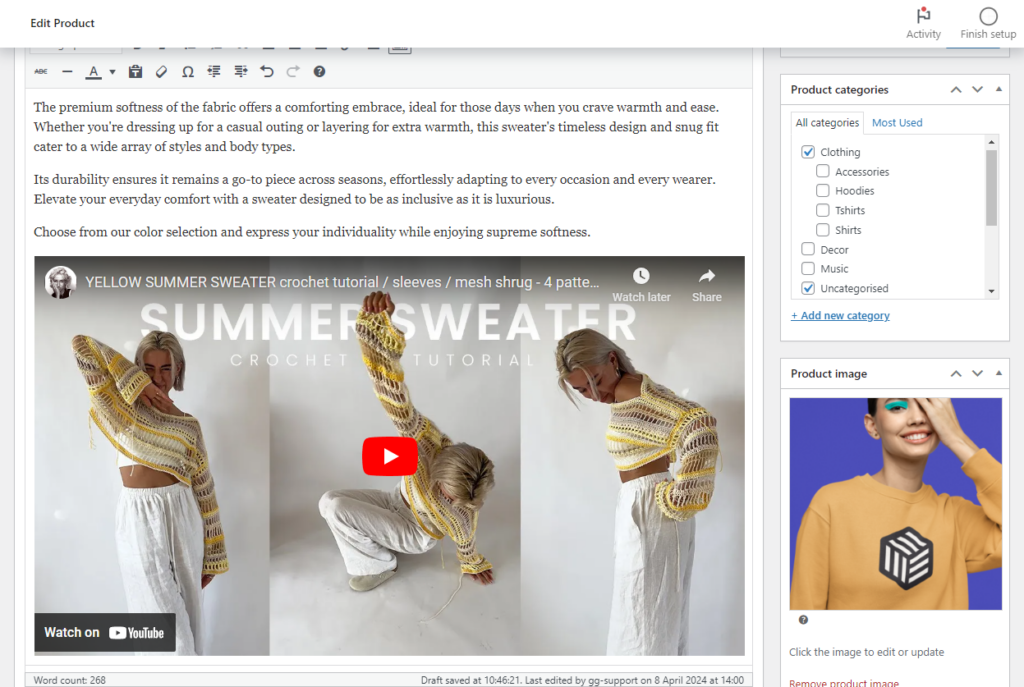
Types of content to focus on:
- Blog posts & buying guides
- Answer common customer questions (e.g., “How to choose the best skincare routine for sensitive skin”).
- Feature product comparisons and tutorials.
- Videos, podcasts, & user-generated content (UGC)
- Showcase product demos and unboxings.
- Share customer testimonials and influencer reviews.
- Talk about industry news and events.
- Infographics & social media content
- Create shareable, informative content (e.g., “10 Tips for Better Sleep” if you sell sleep-related products).
Great content sells without feeling like an ad. It builds trust and authority, making customers more likely to buy from you.
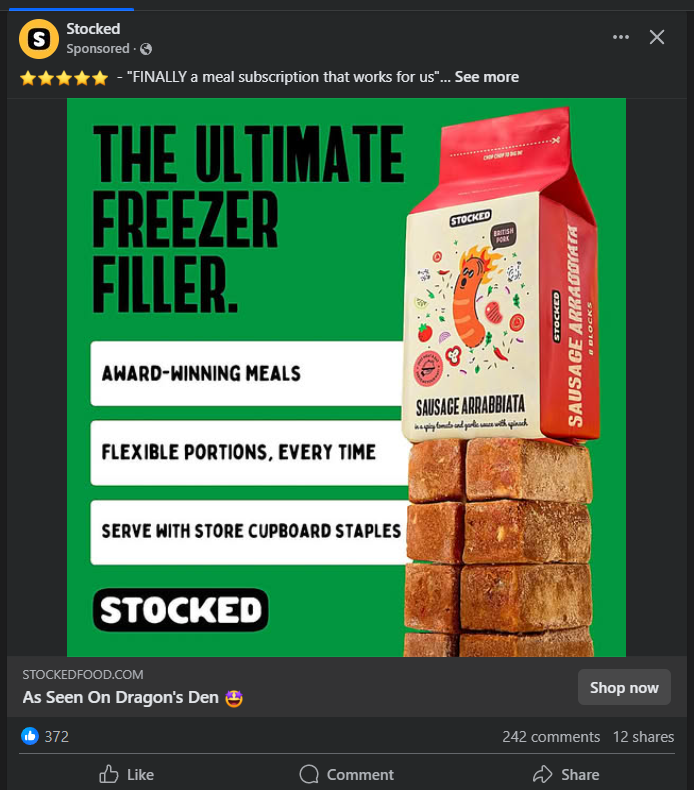
3. Paid advertising (PPC & Social Ads)
While SEO and content marketing take time, paid advertising delivers immediate results. If done strategically, PPC (Pay-Per-Click) and social ads can increase highly targeted traffic and conversions.
Key paid advertising strategies:
- Google Ads & shopping ads
- Target high-intent keywords (e.g., “buy leather laptop bag”).
- Use Google Shopping ads to showcase product images in search results.
- Facebook & Instagram ads
- Use carousel ads, video ads, and collection ads to showcase products.
- Target lookalike audiences based on existing customers.
- TikTok & Pinterest ads
- TikTok works well for engaging, viral-style video ads.
- Pinterest ads are great for visual products like fashion, home decor, and crafts.
- Retargeting campaigns
- Recover lost sales by retargeting visitors who abandoned their carts.
- Show dynamic product ads featuring items they viewed.
Start with a small marketing budget, test different ads, and improve from there.
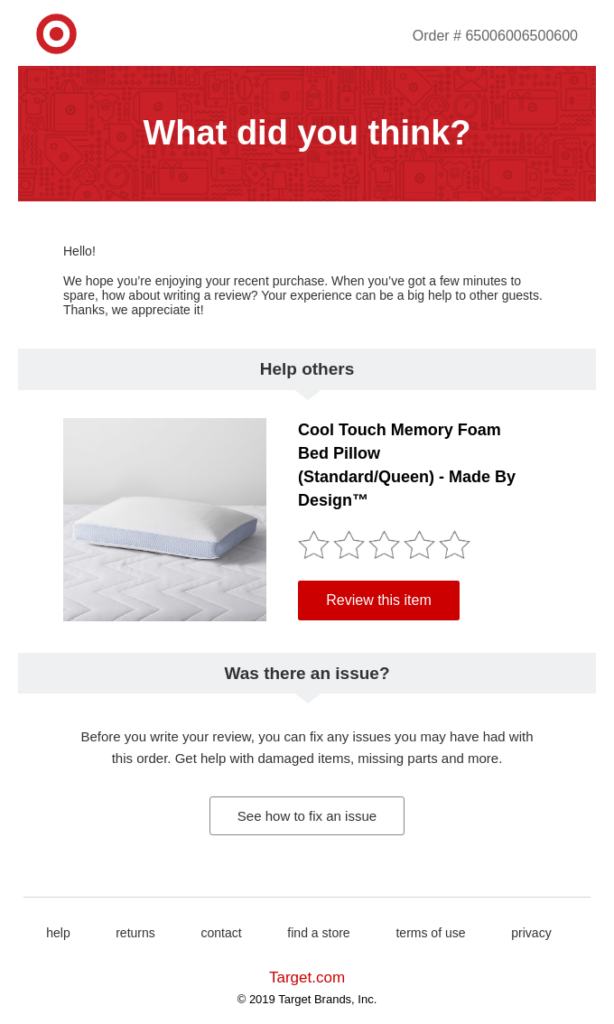
4. Email & SMS marketing
Email and SMS marketing are highly profitable channels for ecommerce. Unlike ads, they don’t require continuous spending and can increase sales on autopilot.
Key Email & SMS strategies:
- Welcome email sequences
- Engage new subscribers with a discount or special offer.
- Share your brand story and best-selling products.
- Abandoned cart emails & SMS
- Send reminders to customers who left items in their carts.
- Offer an exclusive discount to encourage checkout.
- Personalized product recommendations
- Use customer behavior data to suggest new products.
- Increase repeat purchases with tailored emails.
Automate your email & SMS sequences to nurture leads and boost customer retention.
5. Social Media & influencer marketing
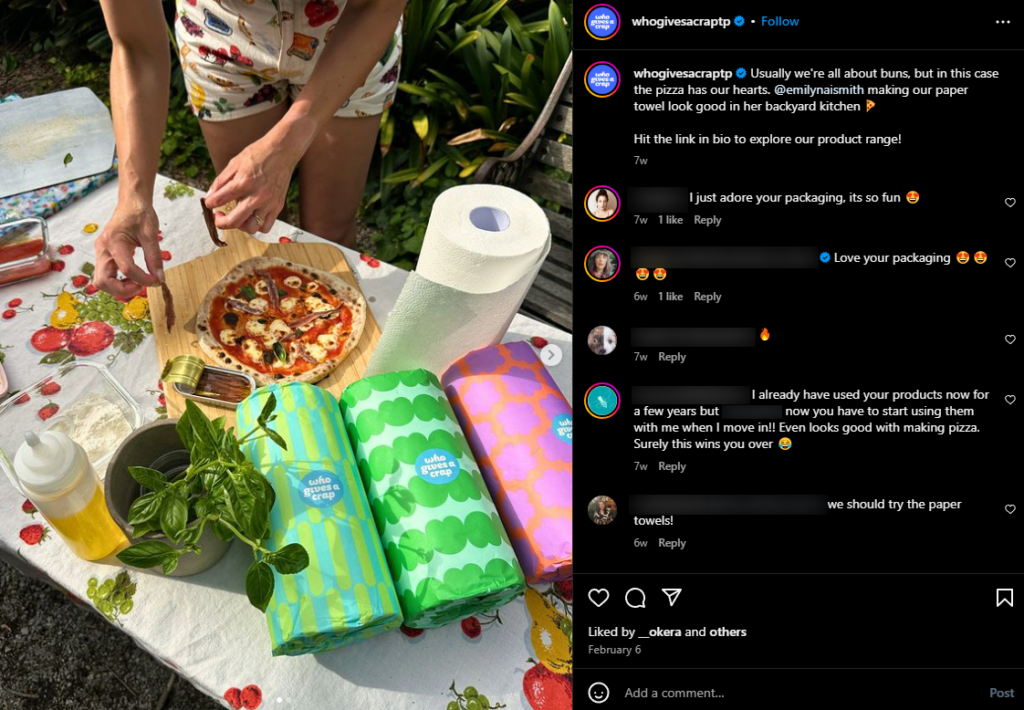
Social media is essential for brand awareness, customer engagement, and sales. Each platform serves a different purpose, so it’s important to focus on the ones that align with your audience.
Key social media strategies:
- Instagram & Pinterest for visual brands
- Showcase high-quality product images and lifestyle shots.
- Use Instagram Shopping and Pinterest Buyable Pins to drive sales.
- TikTok & YouTube for video content
- Post behind-the-scenes content, product demos, and tutorials.
- Partner with micro-influencers for authentic recommendations.
- Influencer marketing
- Work with niche influencers to promote your products.
- Prioritize authentic partnerships over celebrity endorsements.
Focus on engagement rather than just follower count. A smaller, engaged audience is more valuable than a large, passive one.
6. Conversion Rate Optimization (CRO)
Bringing traffic to your website is only half the battle. You also need to convert visitors into buyers. Conversion Rate Optimization (CRO) helps you maximize sales without increasing ad spend.
Key CRO strategies:
- Optimize product pages
- Use high-quality images and videos.
- Write clear, benefit-driven product descriptions.
- A/B testing
- Test headlines, CTA buttons, and layouts to see what converts best.
- Add social proof
- Display customer reviews, testimonials, and security badges to build trust.
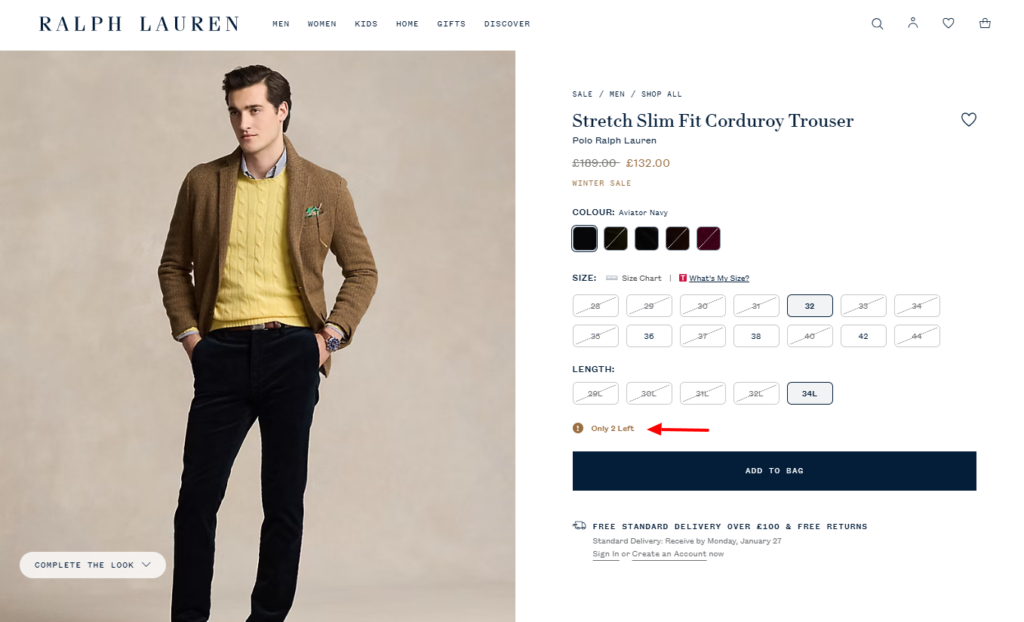
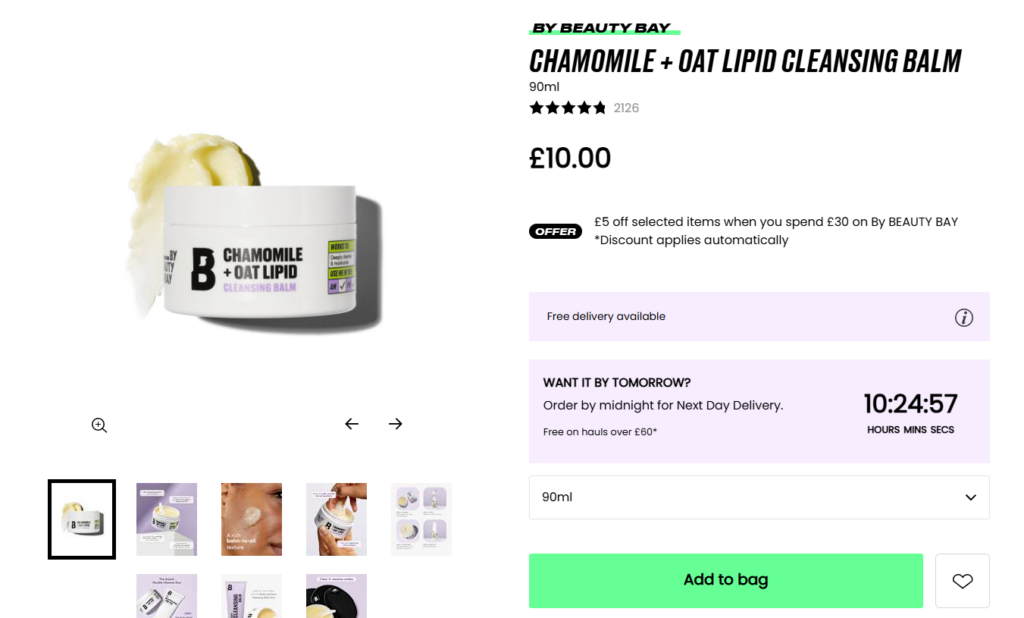
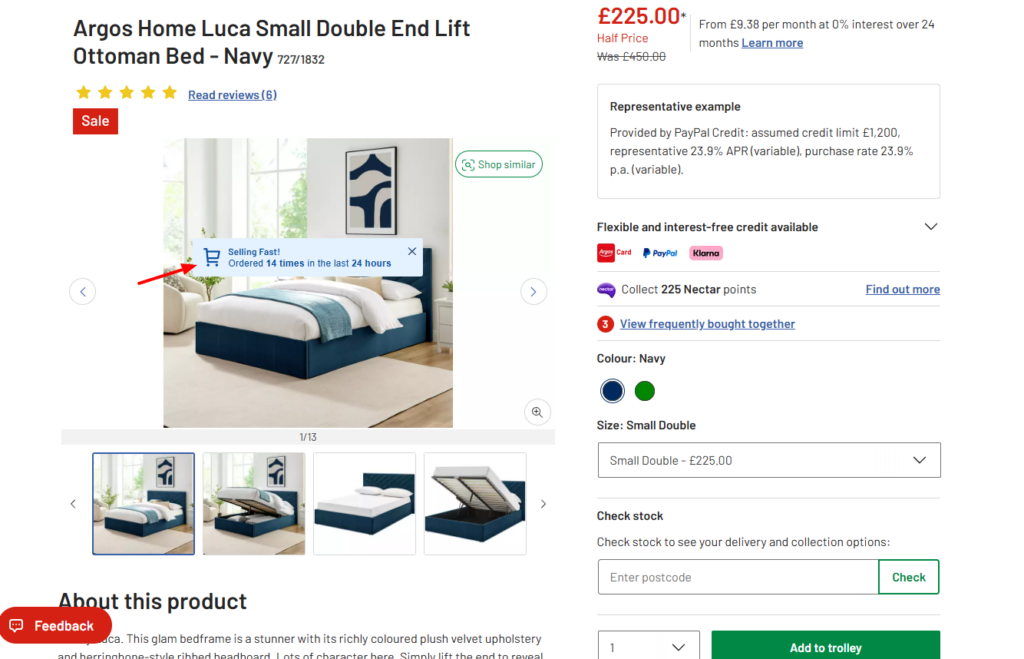
- Create a sense of urgency
- Show limited-time offers and stock alerts (e.g., “Only five left in stock!”).
Minor tweaks in CRO can significantly boost your conversion rate and increase revenue. You create a system that attracts, converts, and retains customers by leveraging SEO, content marketing, paid ads, email, social media, and CRO.
Now that you have those in place, you need a way to track the metrics to decide whether you’re heading in the right direction.
Step 6: Decide how you’ll monitor results
Creating a solid ecommerce marketing strategy is just the first step. Tracking and optimizing your performance is what leads to long-term success.
Without proper monitoring, you won’t know which strategies are working and which need improvement.
Tracking your results helps you:
- Identify what’s driving sales and double down on winning strategies.
- Eliminate wasted spend by cutting underperforming campaigns.
- Improve customer experience based on accurate data.
- Make more intelligent business decisions that increase profitability.
Key Performance Indicators (KPIs) to track
Your ecommerce marketing strategy should be data-driven. Here are the essential KPIs to monitor:
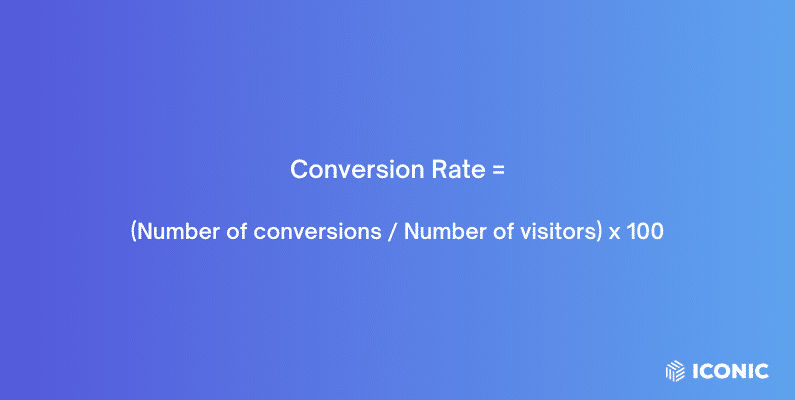
- Traffic sources & conversion rates
- Where are your visitors coming from? (organic search, paid ads, social media, email, referrals)
- Which channels are driving high-converting traffic? Invest more in content marketing if SEO traffic converts better than paid ads. If social traffic has a high bounce rate, refine your landing pages.
- Return on Ad Spend (ROAS)
- How much revenue are you generating per dollar spent on ads? A ROAS of less than 1 means you’re losing money. If your Google Ads ROAS is 5x, consider increasing your budget.
- Email open rates & click-through rates
- Are people opening and engaging with your emails? If open rates are low, test different subject lines. If click-through rates are low, optimize CTA buttons and email copy.
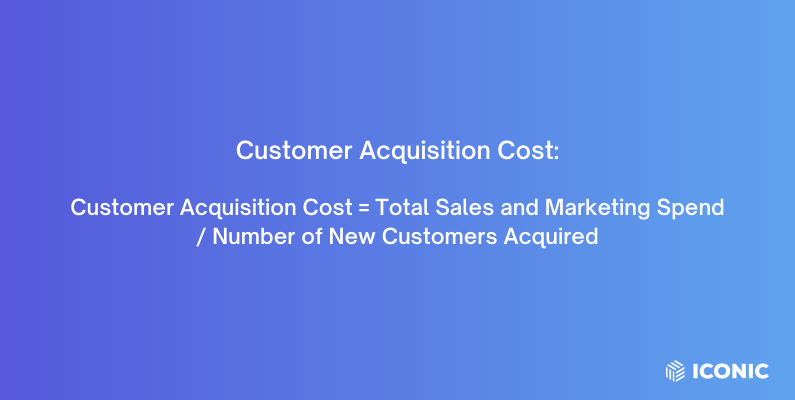
- Customer Acquisition Cost (CAC) vs. Customer Lifetime Value (LTV)
Your marketing strategy should never be static. What works today might not work tomorrow, so continuous testing and optimization are key.
Put together your ecommerce marketing strategy today
A strong ecommerce marketing strategy is built on clear goals, a well-defined audience, and the right mix of tactics, such as SEO for organic traffic, paid ads for quick wins, content for trust, and email for retention.
Success comes from tracking performance and adapting based on real data. Tools like Google Analytics help, but you also need the right plugins to optimize conversions effortlessly.
That’s where Iconic’s WooCommerce plugins come in. They make it easy to enhance your store’s functionality, streamline the shopping experience, and boost sales.
- Suppose you’re looking to upgrade your product image gallery, making it easier for customers to see product details up close, resulting in a higher conversion rate. In that case, WooThumbs for WooCommerce is what you’re looking for.
- We recommend adding visual color variation swatches to any product attribute to offer a more interactive shopping experience and increase your add-to-cart rate. You can do this with WooCommerce Attribute Swatches.
- If you want to increase sales by implementing a cross-selling strategy in your online store, the Iconic Sales Booster for WooCommerce is just what you need.
Each one of these plugins (and many more Iconic ones) will help you hit those metrics you highlighted in step 6 of your ecommerce marketing strategy faster than you can say popup!
Start implementing these strategies today, track what works, and keep refining. The faster you take action, the faster you grow.
WooCommerce Conversions Bundle
Increase your WooCommerce store’s conversion rate and watch your revenue skyrocket. Includes Sales Booster, Flux Checkout, and WooThumbs.

Roxana Alexandru is a self-employed instructional designer and content creator specializing in corporate training, e-learning, technical articles, and scripting.
She has over a decade of experience working in multiple industries, such as Finance, IT, and product management, to name a few, which gives her a unique perspective on content creation.
She has also written extensively on being an introvert, with many articles featured on Introvert, Dear. She is passionate about self-help, personal growth, and seeing life through various lenses. When she’s not thinking about writing, she’s venturing outside with her two kids and husband, often traveling to new places.