
Want to master ecommerce customer acquisition and build a steady, growing customer base? This article will walk you through the essential strategies to make it happen.
Customer acquisition never stops being relevant as long as your business operates. Whether you’re dipping your toes into ecommerce or have thousands of customers already, you always want to get more through the door.
So, in this article, we’ll guide you through what ecommerce customer acquisition is in detail. We’ll also show you how to improve your customer acquisition strategy while keeping profitability in mind.
To break it down, here’s what we’ll cover:
- What customer acquisition is in general and in ecommerce.
- What the customer acquisition cost metric is, and how to calculate it.
- How to improve your ecommerce customer acquisition strategy.
Right away, let’s begin by first understanding what customer acquisition is.
What is customer acquisition?
Customer acquisition is identifying, attracting, and converting potential customers into buyers. It involves every activity you do to get new customers interested in your business and purchase your products.
From running local advertising campaigns, in-store promotions, and shopping events to paid partnerships.
Customer acquisition aims to grow a business’s customer base, hoping that more customers will increase revenue. It’s key to a business’s success, and if you’re starting out, you need it to survive.
To grow your customer base, you must complement your acquisition efforts with customer retention. But what is it?
Customer acquisition versus customer retention
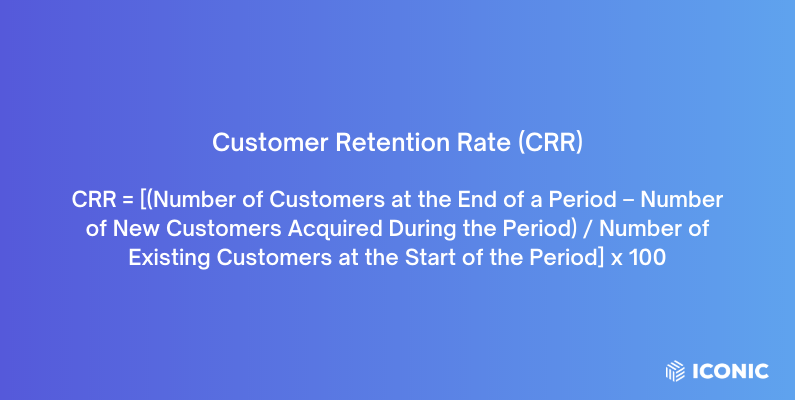
Customer retention keeps the customers you already have interested and engaged, so they keep buying from you.
When trying to acquire new customers, you shouldn’t neglect the ones you already have. If you’re rapidly acquiring new customers and their churn rate is equally rapid, your customer base won’t grow.
Current customers spend more on average than those new to your ecommerce business. To be specific, 67% more, according to multiple reports.
So that’s what customer acquisition is in general. Let’s look at what it means for ecommerce stores.
What is ecommerce customer acquisition?
Ecommerce customer acquisition is how you attract online shoppers to your ecommerce store. It’s like customer acquisition in brick-and-mortar stores, except it relies heavily on digital marketing.
What ecommerce customer acquisition involves
In ecommerce customer acquisition, you would use online marketing channels such as search engines, email marketing, social media, online marketplaces, etc, because this is where online shoppers typically look for products.
Ecommerce customer acquisition has rapidly evolved over the past few years. Emerging technologies such as AI-powered automation, rising ad costs, and other challenges can make it challenging to find your feet in this space.
Later in this guide, we’ll discuss improving your customer acquisition process. But first, let’s learn about the customer acquisition cost metric and how it can help you remain profitable as you get more customers.
What is ecommerce customer acquisition cost?
When getting customers, you have to expect to spend some of your revenue – there’s no way around it. But, when done correctly, the money you spend here becomes a sound investment.
Customer acquisition cost (CAC) is a metric that measures how much you spend to get customers through the door.
This includes:
- Any form of marketing spend, such as Google ads, SEO, and content marketing costs.
- Discounts and promotions.
- Other operational costs include spending on customer relationship management.
CAC (Customer Acquisition Cost) is a good metric to monitor if you want your customer acquisition efforts to remain profitable. The amount you spend on acquiring customers should be balanced against the revenue they bring in.
If CAC exceeds what customers bring in, your acquisition strategy becomes unsustainable. You’ll lose money, and we don’t want that.
What is a good customer acquisition cost?
There is no universal value or range of values for a good CAC for all businesses. This is because these costs vary between industries.
According to Propeller, the average cost per acquisition in retail is about $10, while in software technology, it is around $395. That’s a huge difference, which could make you feel like you’re spending too much to acquire customers if you sell software.
Once you calculate your CAC, you then need to provide context by comparing it to your customer’s lifetime value (LTV).
Compare CAC with LTV for context
LTV (Lifetime Value) measures the total revenue your business can expect from customers throughout their relationship with your brand. It could be used to determine the value your customers bring to your brand.
Earlier, we mentioned that CAC should not exceed what customers bring in. To determine this, you’ll need to compare LTV with CAC and develop the LTV to CAC ratio.
You should keep this ratio at 3:1 or 4:1. This way, the revenue customers bring in exceeds what you spend to acquire them. In addition to LTV, you can also compare CAC to your average order value (AOV) and profit margins.
Want to dive deep and comprehensively understand what LTV is all about? Check out our Customer Lifetime Value guide.
How to calculate ecommerce customer acquisition cost?
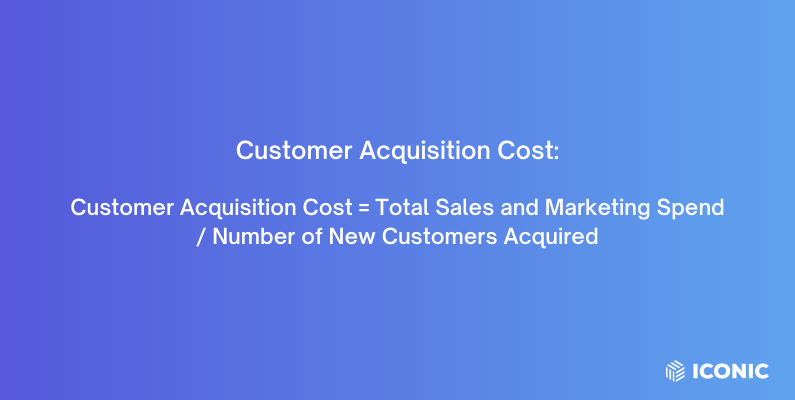
To calculate ecommerce customer acquisition cost, you must first account for all your sales and marketing spending. You also need the total number of new customers acquired.
With this information in place, here’s the formula for calculating customer acquisition cost:
Total Sales and Marketing Spend / Number of New Customers Acquired
So, if you spent $10,000 on sales and marketing and acquired 500 new customers, your CAC is $20. Remember to track CAC alongside other metrics, such as LTV, AOV (Average Order Value), conversion rates, etc.
Ecommerce customer acquisition keeps changing. What worked a few years ago might not cut it today. This means you need to look at it in a different light, and we’re here to help.
In the next section, we’ll discuss seven effective customer acquisition strategies to help you acquire more customers efficiently.
How to improve your ecommerce customer acquisition strategy
By now, we know that to sustain and grow your business, you need a steady stream of new customers. But it’s not enough to make up the numbers. You need to ensure your marketing efforts are reaching and appealing to the right people.
In this section, we’ll discuss several customer acquisition tactics to help you efficiently attract the right customers and grow your business.
Note: A great way to look at your ecommerce customer acquisition strategy is as a process, not an outcome. This is because you’ll implement most of the tips we discuss here repeatedly.
Let’s get right into it and improve your ecommerce customer acquisition strategy.
1. Optimize your website for conversions
Having a great website is one of the best ways to acquire customers. It is simple and cost-effective, ensuring site visitors become paying customers. Of all the websites customers could have clicked on, they found and clicked on yours.
Once you’ve reached this point, you want to convert as many as possible. Otherwise, all the work you’ve done to get them to notice you will be wasted.
A website optimized for conversions can get you there. This is a type of website built with customer experience in mind. It ensures the customer journey is smooth from start to finish. This way, nothing gets in the way of them buying what they want.
There are several things you can do to optimize your website for conversions, including the following.
Improve your website’s design and performance
Start by making sure everything works as it should, including the links, navigation menus, and all pages. Then, pay close attention to calls to action (CTAs) such as the ‘Add to Cart’ or ‘Buy Now’ buttons and ensure they are as clear as possible.
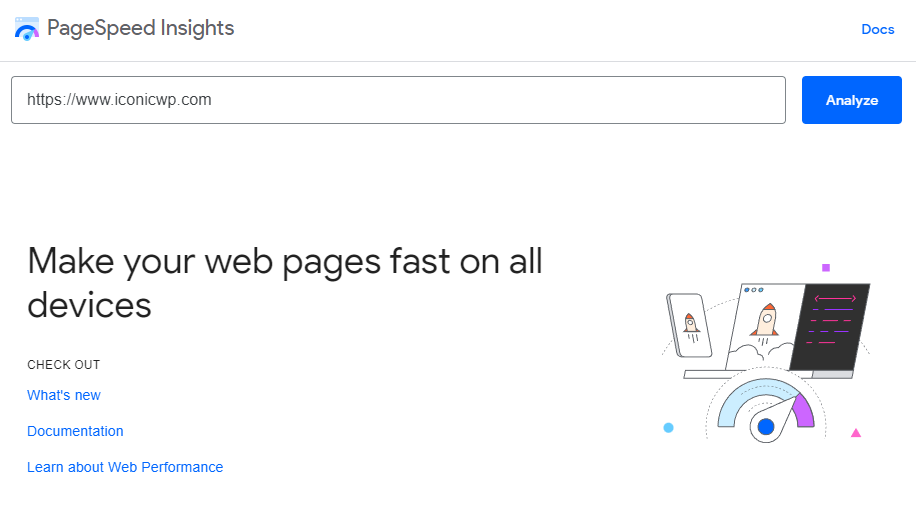
Next, ensure your website loads fast. Did you know that 40% of online shoppers will abandon a website if it takes longer than 3 seconds to load?
You can test your website’s speed with tools such as Google PageSpeed Insights. If it takes longer than 3 seconds to load, you need to improve its loading speed.
Optimize your site for mobile devices
According to recent research, mobile-optimized websites experience 40% more conversions than those that aren’t. This is no surprise, given that most online shoppers use their mobile phones to shop.
What does this mean for you looking to acquire more customers? Make sure your ecommerce site is mobile-responsive.
Improve your product page and checkout process
This is where you can easily make or lose a sale, so you shouldn’t overlook these key areas of your online store.
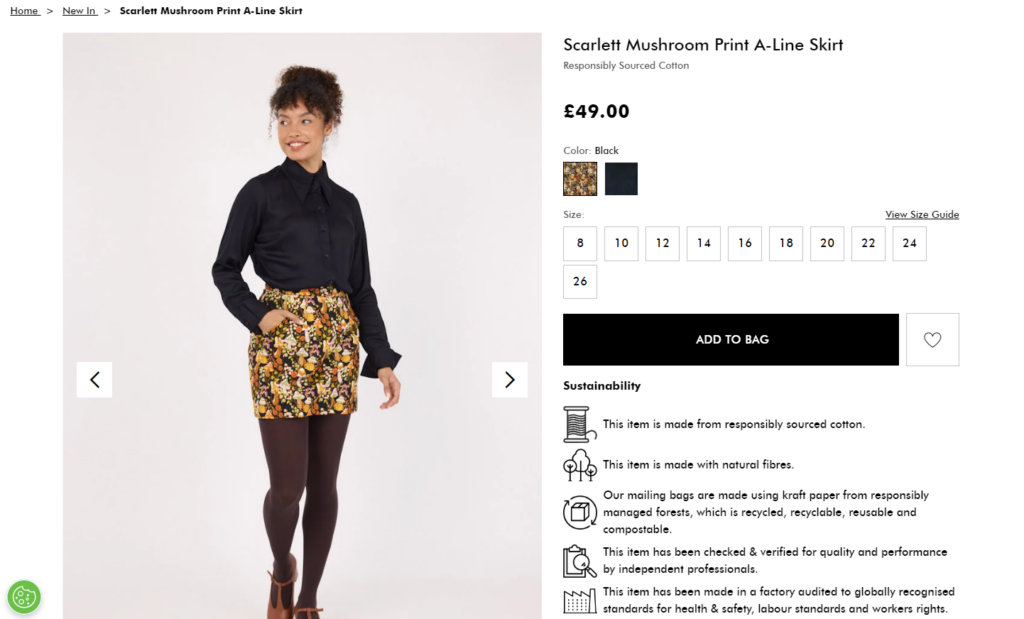
There’s a lot you can do on your product page to improve its quality, including:
- Adding high-quality images from multiple angles.
- Adding product videos.
- Improve product descriptions, and so on.
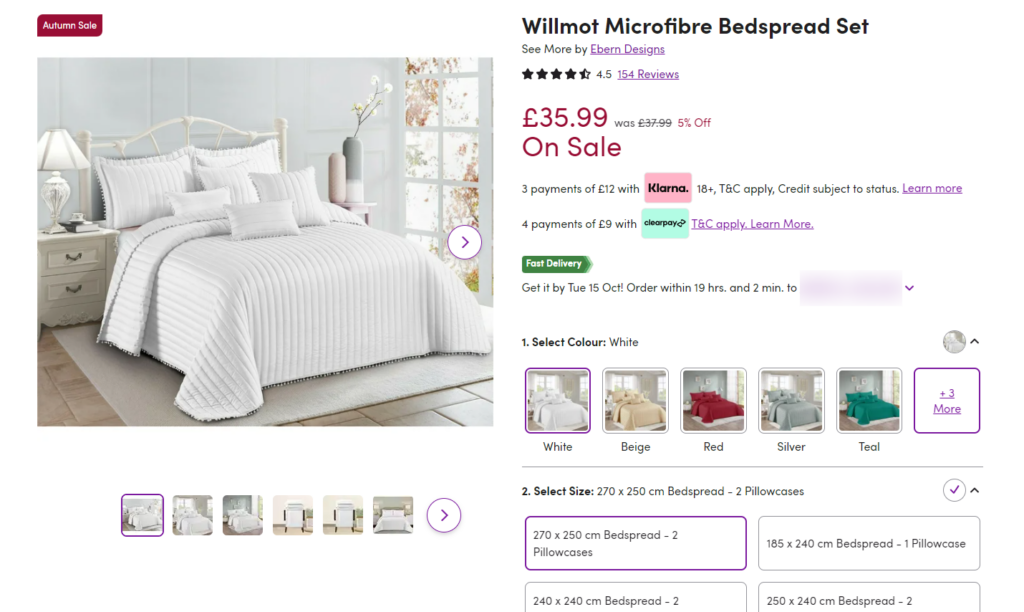
We’ve covered how to do this in detail in our How to Create Better Product Page Content guide.
The checkout process is slightly different. Here, you eliminate checkout barriers, allowing customers to complete their purchases smoothly.
The WooCommerce checkout plugin Flux Checkout for WooCommerce can help you do this.
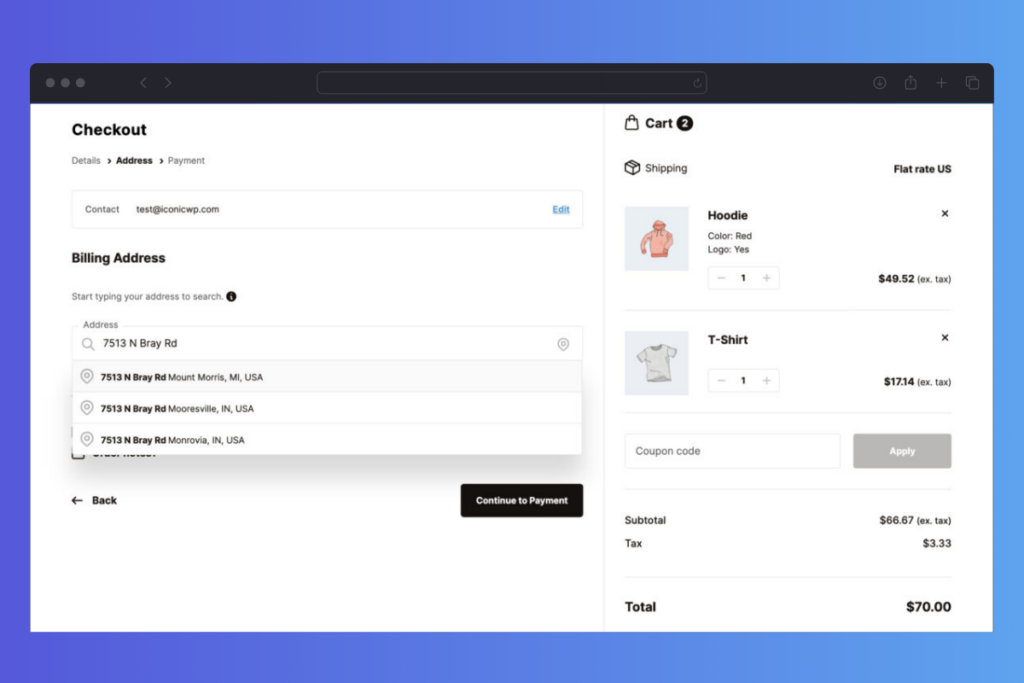
Create a smooth checkout flow with Flux Checkout
The default WooCommerce checkout is not enough to convert more shoppers. It is a bit too complex and wordy, which could overwhelm customers and cause them to abandon their carts.
The plugin Flux Checkout for WooCommerce will transform this checkout process for you, making it faster and way more user-friendly. First, it breaks it down into smaller, more manageable steps that customers can complete quickly.
To allow customers to focus on checking out, distractions such as extra fields, headers, and footers will be removed.
Flux has an address autocomplete feature to save users time when filling out address fields. It also allows you to create a customizable order received page to encourage repeat purchases.
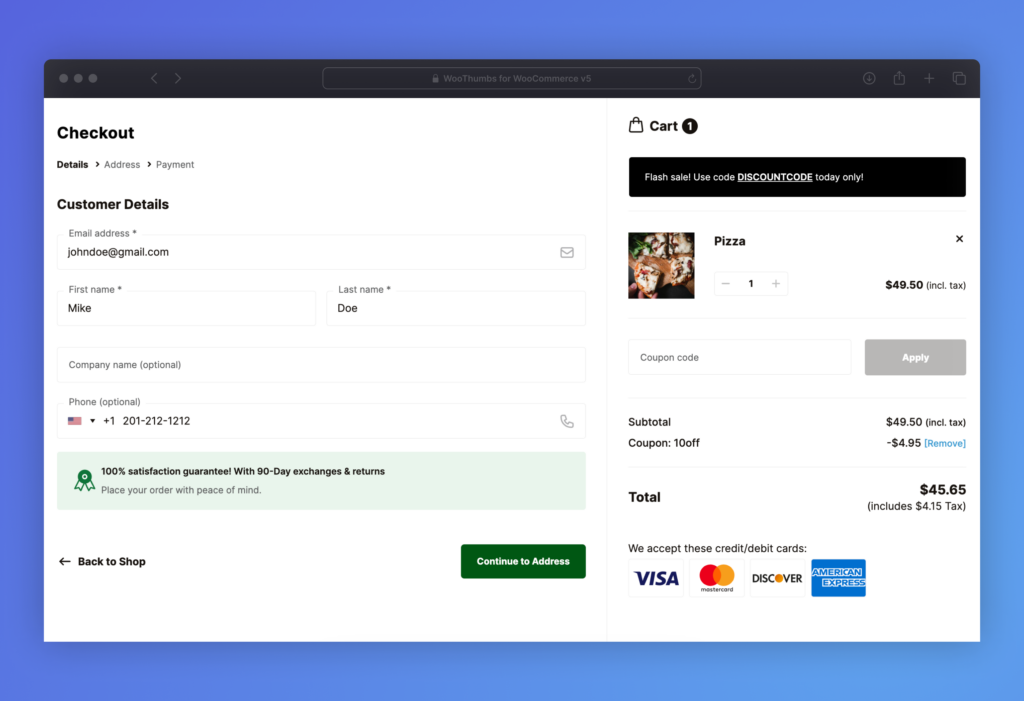
Build trust with trust signals
For potential customers to buy from you, they need to trust you. Trust signals will help you build trust with new customers and make them confident in doing business with you.
Trust signals (or trust seals) are digital icons displayed on your website to reassure visitors that your ecommerce brand is secure and trustworthy. They include security trust badges, customer review badges, third-party endorsements, etc.
You can also have policy-specific badges such as free shipping and free returns.
Again, the WooCommerce plugin Flux Checkout enables you to add them to your store.
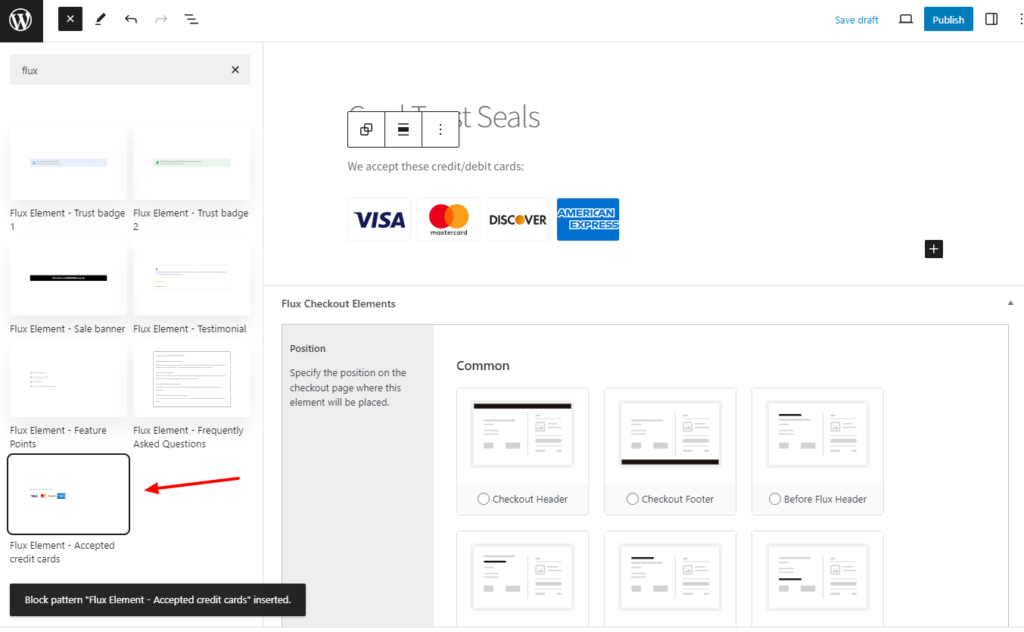
Add trust signals to your ecommerce store with Flux Checkout
You can use Flux Checkout’s customizable checkout elements to add trust signals to your online store. It comes with five prebuilt elements for FAQs, testimonials, and, of course, trust badges.
You can pick one and customize it to suit your store’s design. With 25+ placement locations, you can get creative and place them where you feel they’ll have the most impact.
Flux also enables you to display them under specific conditions. It makes this whole process simple, so your badges will be ready quickly.
Flux Checkout for WooCommerce
Flux Checkout transforms the default WooCommerce checkout into one that’s lightning-fast, distraction-free, and reduces checkout abandonment.
2. Leverage SEO and content marketing
To get more customers, you need to make your ecommerce website easy to find. Marketing strategies like SEO and content marketing will make it easier for customers to find your business online.
In case you don’t know already, SEO (search engine optimization) is a set of practices aimed at making your ecommerce site more visible on search engines.
Good SEO practices will improve your website’s search engine rankings. Your ecommerce site will appear among the top results on search engine results pages when customers search the products you sell.
Here’s what you can do to improve your SEO ranking.
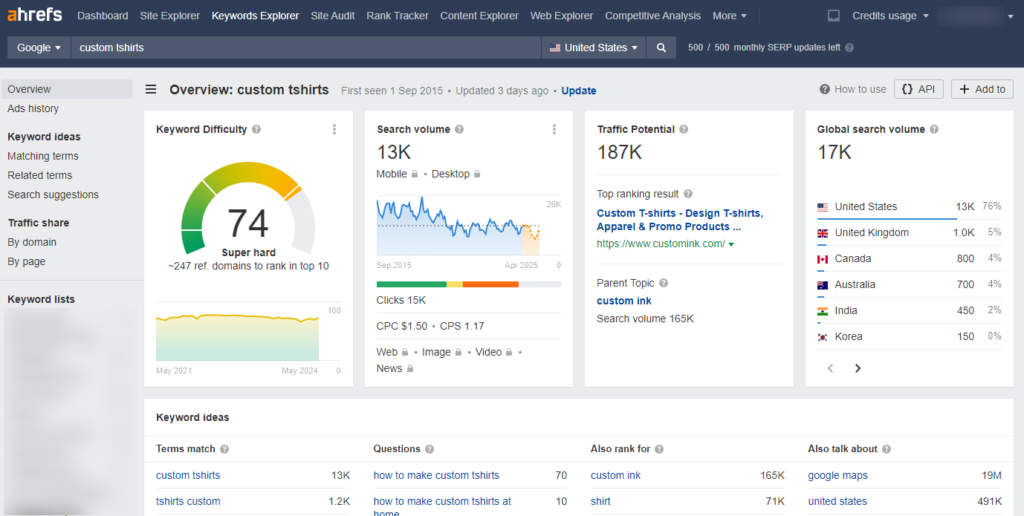
Start with keyword research
There are several keyword research tools, such as Google Keyword Planner, that can help you identify the right keywords to target. When acquiring keywords, prioritize long-tail keywords.
For example, instead of just ‘handbags’, pick something like ‘affordable handmade leather handbags’. Long-tail keywords are more specific, and they convert better than short-tail keywords.
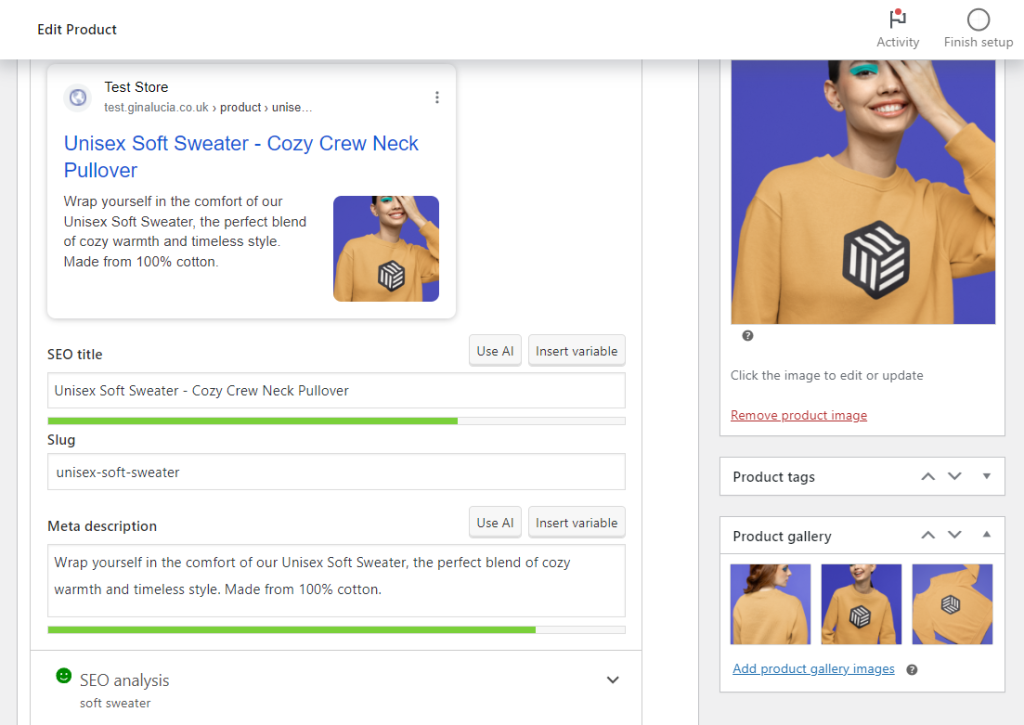
Optimize category and product pages for SEO
Once you have your keywords, spread them out in your category and product pages. Use these keywords in the headings and product descriptions.
Next, add ALT text to your product images. This will help search engines understand what is in the photos and rank them alongside the other content on the page.
You can also get a bit technical and add schema markup. Schema markup enables Google to display more details about your business in the search results.
Create high-value content
This includes blog posts, guides, product comparisons, and other content that can help you reach your target audience. For example, if you sell leather handbags, you can write posts on how to clean them properly.
When customers search for this solution online, they can be directed to your ecommerce site.
With SEO, you can drive organic traffic to your website, reducing reliance on paid ads.
3. Improve paid advertising efficiency
Paid ads are an excellent tool for boosting brand awareness. They allow you to reach a wider audience and target specific demographics – that is, people who are looking for products similar to yours.
Ad costs continue to rise, and they are rising across the board. In 2024, the cost of Facebook ads jumped by 89%, while the CPM (cost per a thousand impressions) for TikTok and Snapchat increased by 92% and 64%, respectively.
This means you have to be efficient with your paid ads to avoid driving your CAC (Customer Acquisition Cost) up.
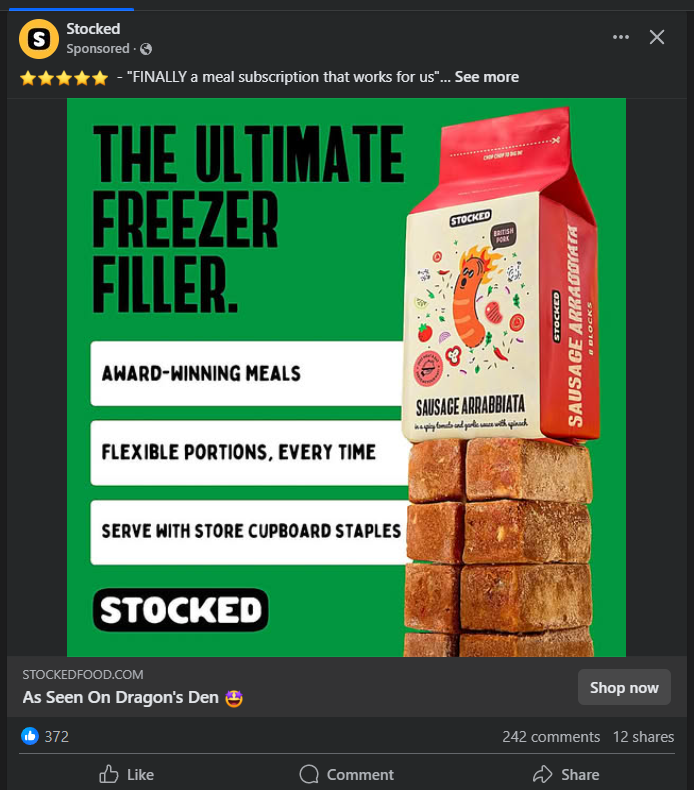
Run highly targeted ads
You can run ads that target specific audiences based on their demographics, interests, behavior, etc., rather than general audiences. Targeted ads are more cost-efficient because they’re set up to reach the most relevant audience.
You won’t waste money showing ads to an uninterested audience. Because they target specific audiences, they usually have high engagement and click-through rates.
You can run these ads on Google (or other search engines) and social media platforms like the ones we’ve mentioned.
Use retargeting to recover abandoned visitors
Retargeting is one of the most cost-efficient digital advertising techniques. It involves focusing on potential customers who have already shown interest in your products or services.
For example, those who added items to their carts and abandoned them. Since these customers are more likely to convert, the cost per conversion is lower. In other words, it helps reduce wasted ad spend.
Focus on Return on Ad Spend (ROAS)
ROAS is a metric that tracks the revenue generated by each ad campaign compared to the amount you spent on them. For example, if you spend $1000 on a Facebook ad campaign and it generates $6000 in revenue at the end, the ROAS will be 6.
This is great because it shows your ad campaigns are profitable. However, if it falls below zero, you’re spending more and earning less.
As you run your ad or other marketing campaigns, ensure you track their performance to keep them sustainable.
4. Invest in email marketing & SMS campaigns
Emails and SMS give you direct access to potential customers, making them an excellent customer acquisition channel. Studies show that it has one of the highest returns on investment (ROI), with an average ROI of $42 for every $1 spent.
To get started with email marketing and SMS campaigns, you’ll need first to build an email list. Here’s what you can do to make this list.
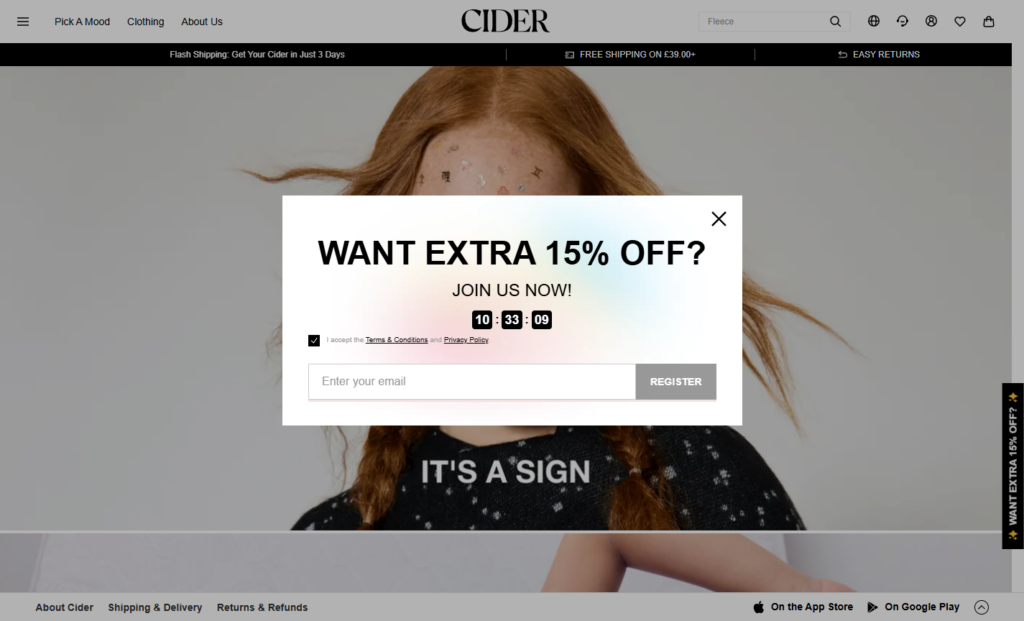
Use exit-intent popups for lead generation
If customers visit your landing page or any other page on your website, you can use exit-intent popups to capture their emails (or phone numbers). Exit-intent popups are displayed once a customer shows signs of leaving a page.
This could be when they press the back button or move the cursor to the browser’s viewport.
Most ecommerce store owners use them as a last-ditch effort to get a conversion. You can use them to capture your customer’s emails and build your email list. To do this effectively, you can offer incentives such as gifts, discount codes, and so on to give them a reason to sign up.
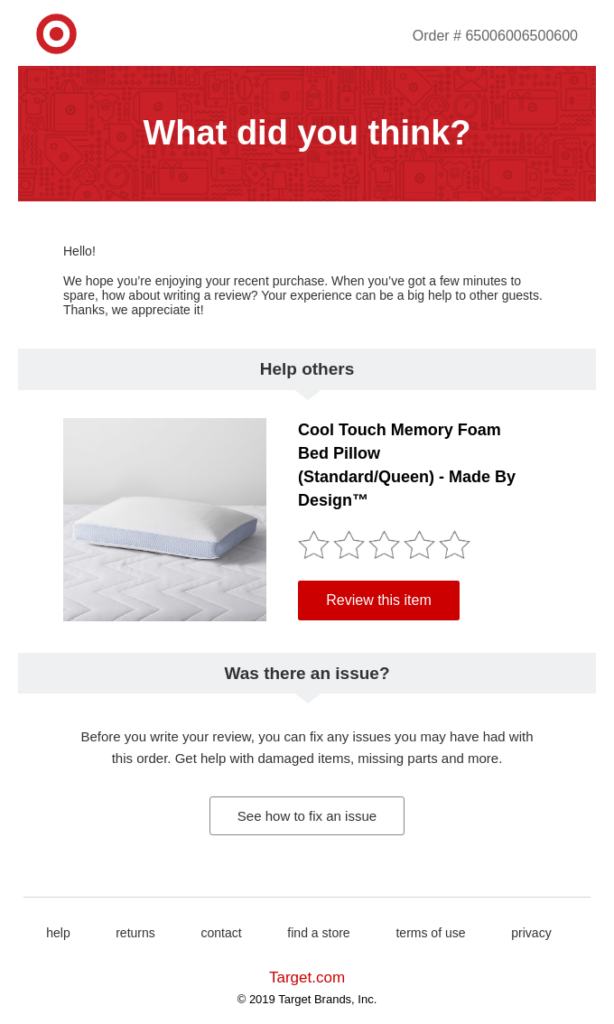
Use your email list to market your business
Once you have their emails, you can create persuasive and engaging email campaigns.
This includes:
- Welcome email series. Introduce them to your brand and maybe show best sellers or trending products.
- Product highlights. If you have new products in your inventory, you can use these emails to introduce new customers to what you have in stock.
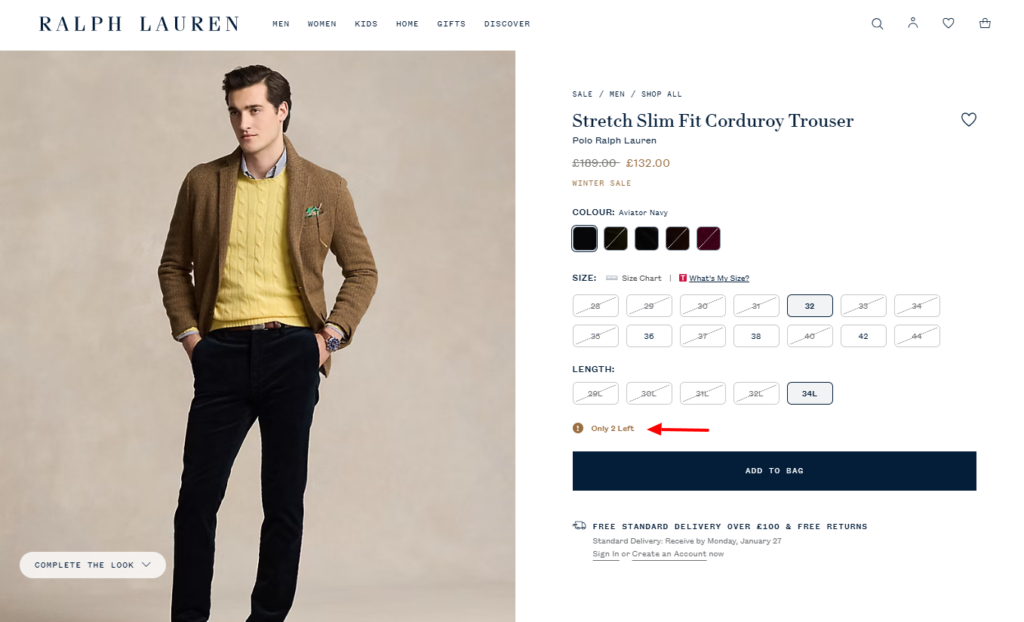
- Limited-time offers. We know how effective FOMO marketing is. To encourage customers to make a buying decision, you can offer them exclusive promotions.
- Personalized product recommendations. Based on the products they viewed or added to their carts.
Also, you can use email campaigns to recover abandoned carts. If they added products in their carts and didn’t check out, you can send them an email after a few hours or a day to remind them to complete their purchase

5. Build social proof and referral programs
According to Statista, 89% of consumers prioritize recommendations from individuals they know and trust over traditional advertising channels. Essentially, customers trust external sources more than your marketing team.
Because of this, social proof and referral programs can go a long way in getting you genuine customers who want to buy from you.
So it only makes sense to add them to your ecommerce customer acquisition strategy. If you want to use them, here’s how to do it.
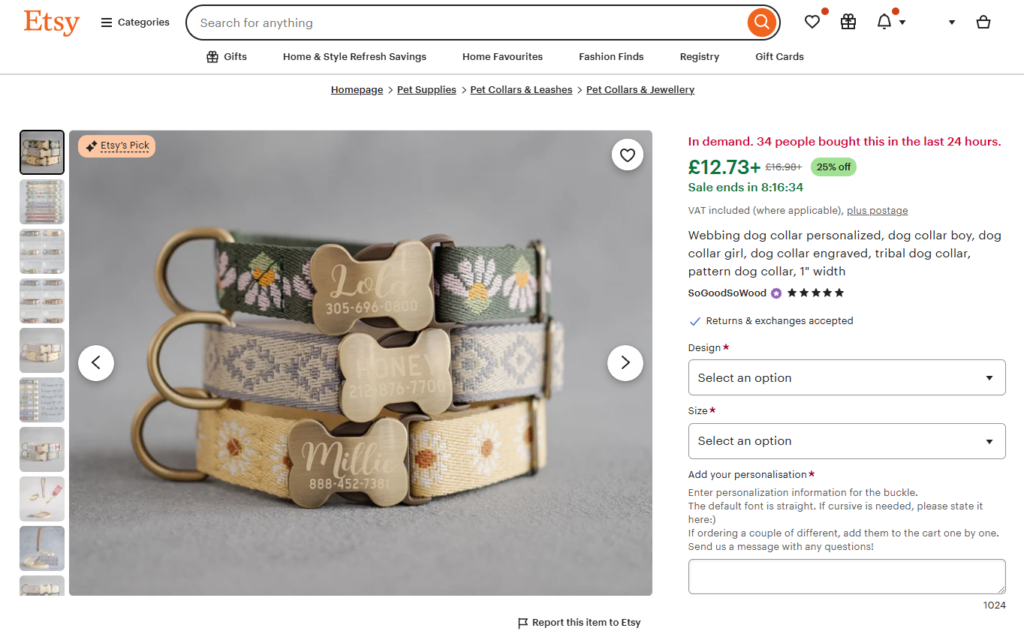
Show social proof
Adding social proof to your online store can improve your conversion rates. Social proof is when people look at others’ actions, opinions, or attitudes to determine what is correct and trustworthy.
Let’s say you have a product that numerous customers buy and can’t stop raving about in the reviews. Customers who don’t know much about the product will likely buy it because others speak highly about it.
In short, social proof helps undecided customers make purchase decisions. So, you should accompany your marketing claims with customer testimonials, product reviews, and other user-generated content.
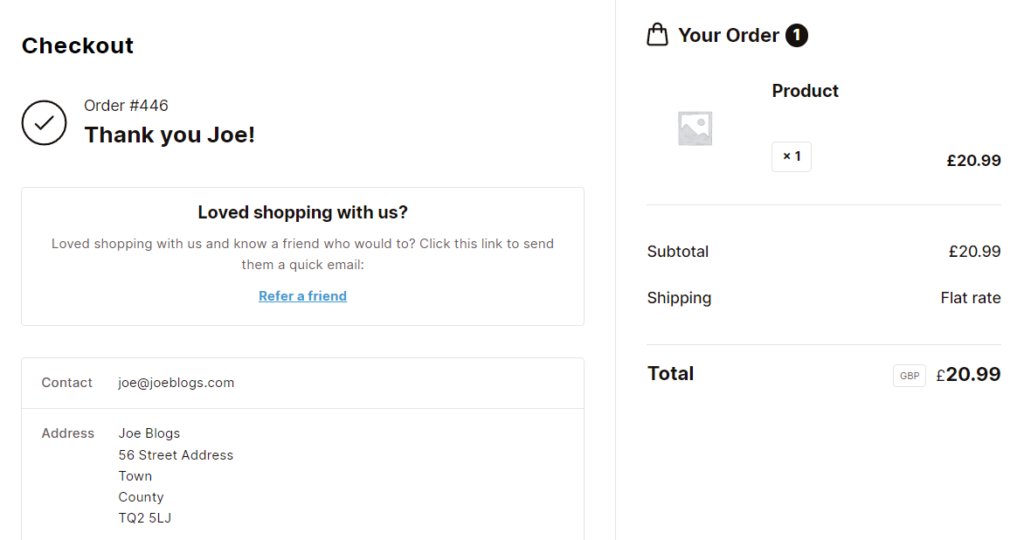
Create rewards-based referral programs to promote word-of-mouth marketing
We’ve mentioned how customers trust referrals more than advertisements. So how can you get more current customers to put in a good word for you to others? Offer incentives such as discounts to encourage them to do so.
Customers will be motivated to refer your business to others, and as they do, they’ll earn these rewards. This is a win-win situation, and it could save thousands of dollars you would otherwise spend on ad campaigns.
6. Partner with influencers and affiliates
Today, influencers and others with large followings are trusted sources of information, recommendations, and opinions. Thus, it’s no surprise that the industry is projected to have an impressive 22.5% compound annual growth rate between 2025 and 2030.
The idea behind influencer and affiliate marketing is that by partnering with influencers or affiliates, you can reach their audiences. These audiences regularly engage with the influencer’s content and are more likely to take action if the influencer recommends it.
You can use this to help you acquire customers by partnering with influencers.
Partner with relevant influencers
Influencer marketing can take many forms, such as:
- YouTube tutorials.
- Instagram posts or stories.
- X (Twitter) shoutouts, and so on.
Before picking an influencer to partner with, ask yourself a few questions. Which platforms are your customers most likely to be on? What type of content are they more likely to engage with? Which influencers fit these descriptions, and does their messaging align with your brand?
Note: You can collaborate with influencers and decide the type of content that would suit your target market.
By answering these questions, you can start filtering influencers and remain with a list of those you can work with. Once you finalize your list, you can contact them and propose your partnership.
Create affiliate programs
If your customer acquisition strategy is rooted in sales and conversions, an affiliate program is the best option. Affiliates can promote your business to their audiences, working similarly to influencers.
Only here do you create links for each affiliate, which they can share on their blog, X, Instagram posts, and YouTube videos. These affiliate links are trackable, and you can use them to monitor sales.
If a customer buys something through an affiliate’s link, you’ll pay them some commission.
Which one should you pick?
If optimizing CAC is your main concern, you should opt for an affiliate program. With affiliate programs, you only pay affiliates after a sale, which is less risky. With influencers, you have to pay them upfront, even if the campaign doesn’t do well.
However, influencer audiences tend to be more engaged than those of affiliates. Also, if an influencer promotes your brand, you can go viral. This would bring numerous customers and turn your business into an overnight sensation.
Overall, both customer acquisition methods are efficient because they target specific, engaged audiences.
7. Focus on customer retention
Finally, acquisition should be rooted in retention and customer loyalty. As mentioned earlier, a high customer acquisition rate and a corresponding high customer churn rate will prevent your customer base from growing.
The ones coming in are canceled out by the ones leaving. So, as you acquire new customers, you also need to focus on retaining the ones you already have. The best part about this is that it is 5 – 25 times cheaper to retain customers than to acquire them.
You can retain customers with loyalty programs and repeat purchase incentives.
Implement loyalty programs
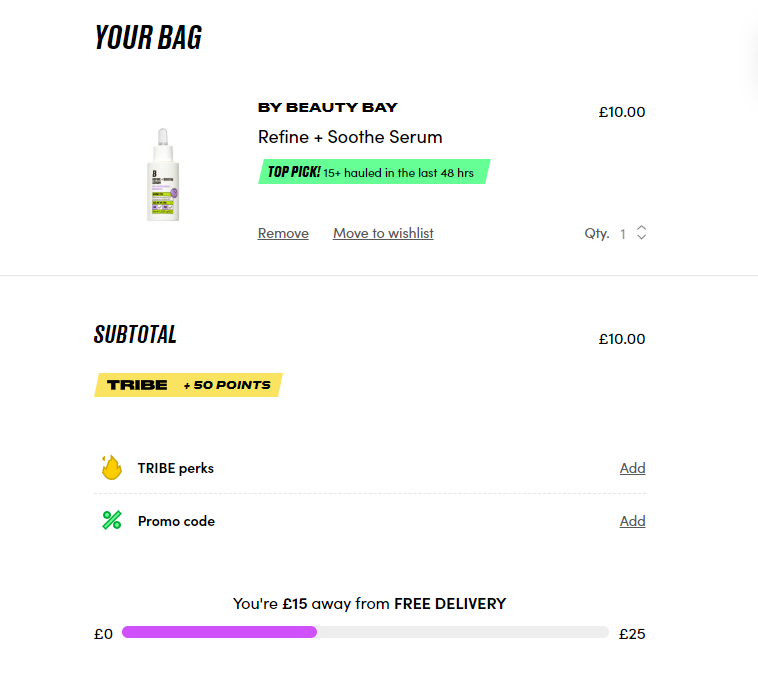
The best way to get customers to be loyal to your brand is to give them something in return for their loyalty. This is what a loyalty program is for. It is a program that rewards repeat customers for their purchases, engagements, and referrals.
In other words, it incentivizes customers to keep buying from your business rather than switching to a competitor. There are different types of loyalty programs you can implement.
You can use a:
- Point-based system. Customers earn points for each purchase, which can be redeemed for specific incentives once they hit a certain threshold.
- Tiered rewards system. When customers unlock higher rewards based on their spending, this will encourage them to spend more to climb up the tiers.
- Cashback or store credit. As customers make more repeat purchases, they can earn back portion of the money they spend on their purchases
Needless to say, some of the things we’ve already covered, such as optimizing your website, email campaigns, etc., can also help you retain more customers.
Make customer acquisition a priority in your ecommerce store
Customer acquisition is key to your ecommerce business’s success. This is something you’ll need to prioritize if you want a steady stream of revenue to sustain and grow your business.
In this guide, we’ve covered several strategies for improving customer acquisition efficiency. One approach involves optimizing the entire website, especially the checkout, for conversions.
The WooCommerce plugin Flux Checkout for WooCommerce can help you create a seamless checkout experience. Its lightning-fast, distraction-free checkout flow ensures customers have no problems completing their purchases.
Leverage the customer acquisition tactics discussed here and Flux Checkout to bring in more customers sustainably.
Flux Checkout for WooCommerce
Flux Checkout transforms the default WooCommerce checkout into one that’s lightning-fast, distraction-free, and reduces checkout abandonment.

Gina Lucia is our in-house Content Manager at Orderable. She writes articles, user guides, technical documentation, and creates videos on everything WooCommerce and Orderable.
Gina has been working in the WordPress/WooCommerce space since 2012 when she developed WordPress websites for clients large and small.
For the past 8 years, she’s been writing about everything WordPress and WooCommerce, becoming an expert in what makes a WooCommerce store succeed.
When not writing, Gina loves to tend to her vegetable garden, read, or travel to mainland Europe.