
Want to learn about and improve your customer’s post purchase behavior? This guide is here to help you do it.
Your customer’s post purchase behavior is as important as the sales you make on your ecommerce store, if not more.
👋 This guide will walk you through what it is and how to improve it to nudge your customers toward more repeat purchases, product recommendations, and brand loyalty.
Here’s what we’ll cover:
- What post purchase behavior is.
- Why understanding post purchase behavior is important.
- How to track post purchase behavior.
- Practical tips to improve post purchase experience.
So, let’s first set the stage by understanding what post purchase behavior is.
What is post purchase behavior?
Post purchase behavior refers to what a customer does, thinks, or feels after buying from your online store. It involves their entire experience from the moment they complete a purchase until when they receive their product and use it.
Generally speaking, understanding your customer’s post purchase behavior is all about answering the following questions.
After a customer has bought a product from you:
- Did they enjoy the product?
- Would they shop at your store again?
- Or have they left without any desire to buy from you again?
- Are they likely to recommend or refer you to others?
Ultimately, post purchase behavior boils down to whether customers are satisfied or dissatisfied with your product and customer service. If they’re happy, that’s good news for you, and as you guessed it, the reverse is true.
To understand the impact of customer satisfaction or lack thereof on post purchase behavior, let’s look at the different types of post purchase behavior.
The different types of post purchase behavior
By now, you already know that your customer’s journey doesn’t end after they make a purchase.
Depending on whether they’re happy or unhappy with your products or services, here’s how their journey may proceed after a purchase:
- Product satisfaction. If your products and services meet your customers’ expectations, they will be satisfied. This is the most important outcome. It leads to positive post purchase behavior which will be reflected in their feedback, repeat purchases, referrals, and loyalty to your brand.
- Customer feedback. This includes customer reviews and ratings, responses to your surveys, social media mentions, etc. Satisfied customers will leave positive feedback, that is, positive reviews, and recommend your product to potential customers.
- Repeat purchases. If you meet or exceed customer expectations, they will likely want to shop with you again.
- Post purchase dissonance (or cognitive dissonance/buyer’s remorse). This is a customer’s regret that the outcome of the purchase doesn’t meet their expectations. Simply put, it means the product isn’t as great as advertised.
- Customer support. Customers will contact your support team if they have an inquiry about the product or want to return it. They might also do so to voice their frustration about your after-sales services or the quality of the product.
- Returns and exchanges. Some customers will request to return your product or exchange it for another when unsatisfied with what you delivered.
Other than these, customers may also want to keep engaging with your brand by signing up for your email newsletters, customer loyalty program, etc.
The ultimate goal is to get them to be loyal to your brand. Loyal customers are more willing to look past a one-time poor experience and keep shopping from you.
An example of a post purchase behavior
Here is a real-world example of what post purchase behavior might look like.
Let’s say you deal in cosmetics and a customer has just purchased a 3-step skin care regimen (cleanser, moisturizer, and night serum) from you. In this case, product satisfaction comes down the line, a few weeks after using the product.
Before then, the customer might:
- Track their order from your ecommerce store’s order confirmation page.
- Read more customer reviews to affirm their purchase decision.
- Follow your social media accounts to get skin care tips.
- Watch tutorials on the proper application techniques for each product.
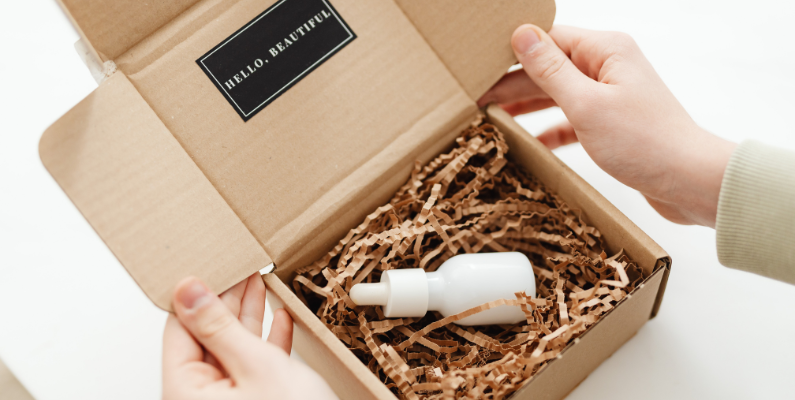
When the package arrives, the customer will unbox it – it will make a first impression. They will use the product for a few weeks while tracking the progress. If they’re pleased with what they see, they might leave a positive review on your website and even recommend it to their friends and family.
Free Download: Ecommerce Website Checklist
Build your online store with confidence using this free ecommerce website checklist.
This checklist is designed to guide you through every stage of building a successful ecommerce site, from foundational setup to understanding conversion rates.

Finally, they will consider repurchasing the regimen when it runs out. Alternatively, they could also look into complementary products or other products you sell.
So that’s a basic overview of a customer’s post purchase behavior. In the next section, we’ll cover why it is important to understand this.

Why is understanding post purchase behavior important?
Post purchase behavior is critical to the success of your ecommerce business, especially in today’s competitive ecommerce market. Customers have loads of options, and you have your work cut out to acquire new customers and retain the ones you have.
Fortunately, understanding and managing your customers’ post purchase behavior can help you do it. Taking time to do this is important for the following reasons.
It leads to increased sales through repeat purchases
Managing your customer’s post purchase behavior promotes customer retention. It involves ensuring they have a positive experience each time they buy from you.
📈 According to a Salesforce study, 89% of customers will likely make a repeat purchase after a positive experience.
In other words, managing post purchase behavior leads to increased repeat customers. As you get more repeat business, your customer’s lifetime value will increase.
It provides valuable insights into areas of improvement
When you conduct post-purchase evaluation, you’ll look at things like customer reviews, return rates, and complaints to customer service. If a specific product receives several negative reviews and has high return rates, it reveals an area where your business is falling short.
You can identify your customers’ pain points and improve your product, service, or overall customer experience.
It leads to cost-friendly customer acquisition
The ultimate goal of managing your customer’s post purchase behavior is to get them to be loyal to your brand.
📈 Loyal customers often become brand advocates, spreading positive word-of-mouth to their friends or family about your business. A whopping 86% of loyal customers do this.
What’s more, customers tend to trust recommendations from sources outside your business. This means you can acquire new customers without spending a single cent.
It allows your ecommerce store to have a healthy bottom line
With reduced customer acquisition costs and repeat purchases, positive post purchase behavior gives your business a healthy bottom line. It allows you to reduce your expenditure while getting more revenue from your current customers and the new ones that will be referred to your business.
Now we know why we need to understand and manage post-purchase behavior. Let’s look into how to track it.
How to track post purchase behavior?
Paying attention to how customers interact with your business after purchases will reveal their post purchase behavior. Are they coming back to buy more products, or do they keep complaining to your customer support team?
This data is extremely valuable because you’ll know what to do to retain as many customers as possible.
There are many ways to track your customer’s post purchase behavior, including the following.
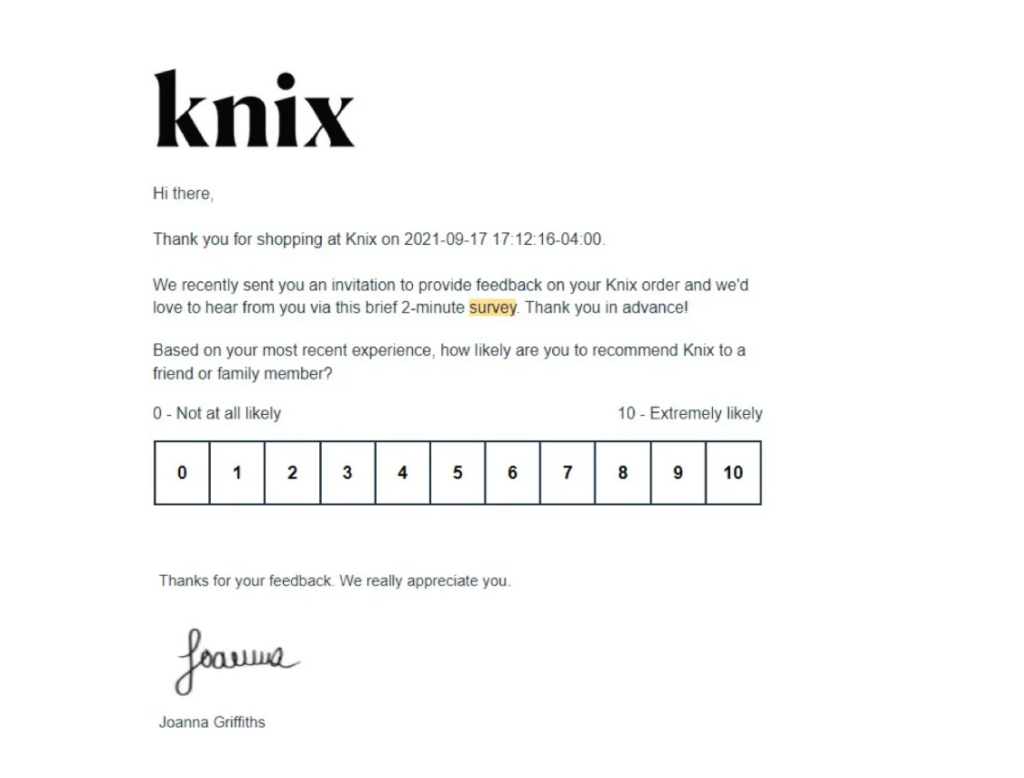
Post-purchase customer surveys
Customer surveys involve sending follow-up emails with surveys asking customers about their purchase experience and satisfaction.
In the surveys, you can ask general questions like:
- How satisfied are they with your service (for instance, on a scale of 1 – 5)?
- If the product’s quality met their expectations.
- An open-ended question asking them what can be done to make their future purchases hassle-free.
You can also ask specific questions depending on the product or service.
For instance:
- How well did the clothes/shoes fit? – For a clothing store.
- How was the taste and quality of the food? For a restaurant.
Their feedback will allow you to understand what they liked and didn’t like and the improvements that can be made to improve their experience.
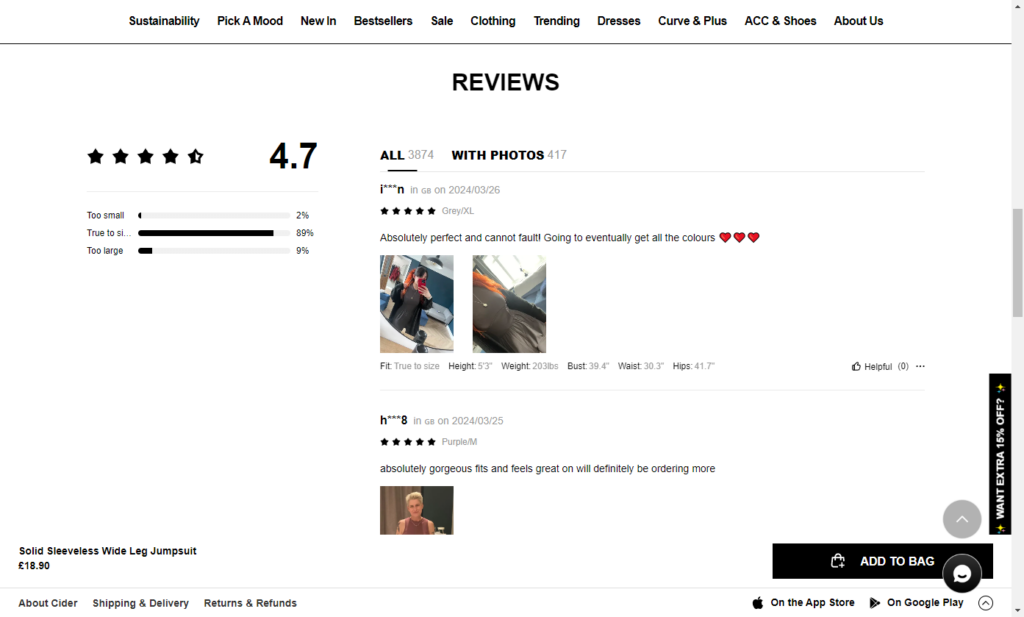
Customer feedback from reviews and ratings
This includes encouraging customers to rate the products they bought on your site or leave reviews on third-party platforms like Yelp or Trustpilot.
But why is this important in post-purchase behavior evaluation? Third-party review platforms like Trustpilot allow you to filter your reviews based on the star ratings.
You can look at the 1-star reviews and see where those customers had negative experiences. This allows you to know where to adjust so that others have positive post-purchase behavior.
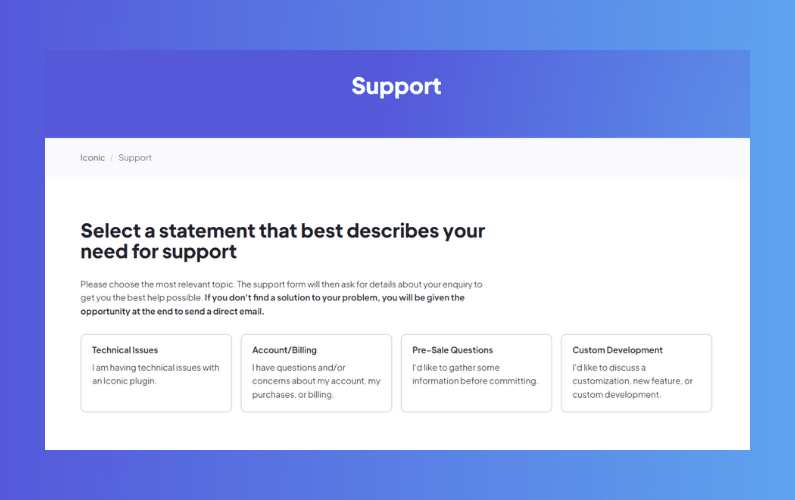
Customer support interactions
Evaluate the volume and type of inquiries your customer support team receives post-purchase. Are customers requesting to return purchased items or complaining about an after-sales service?
From returns and refund requests, you can find out the reasons why customers are requesting to return what they’ve bought. If you identify several common reasons, then this is something you should work on.
Note: You can also monitor your return process using post purchase surveys and find out if it is satisfactory.
Ecommerce KPIs
These critical metrics help you assess various aspects of your ecommerce store’s operations, including your customers’ post purchase behavior. Of course, not all KPIs relate to post purchase behavior tracking.
Here are some of the most important ones:
- Repeat purchase rate. This represents how many customers make repeat purchases. When this rate is high, it shows your customers are happy to keep shopping with you.
- Net promoter score. How likely are customers to recommend your business to others?
- Returns and exchanges rate. If this rate is high, customer dissatisfaction with your products is also high. This means you have work to do to ensure your customers don’t leave for your competitor.
There are other metrics like Customer Satisfaction Score (CSAT), Customer Lifetime Value (LTV), etc., that you can also look into.
📈 Read about how you can track and improve these metrics in our Ecommerce Customer Experience KPIs guide.
Monitoring post purchase behavior is only the first step. After you have this data, you’ll need to work out how to improve the post purchase experience.
Practical tips to improve the post purchase experience
As an ecommerce store owner, you don’t want the customer journey to end immediately after they buy. You want to focus on the bigger picture, providing them with a great post purchase experience that will keep them coming back.
So, how do you get in front of your consumers’ behavior and experience after they buy? Here are some practical tips to get it done.
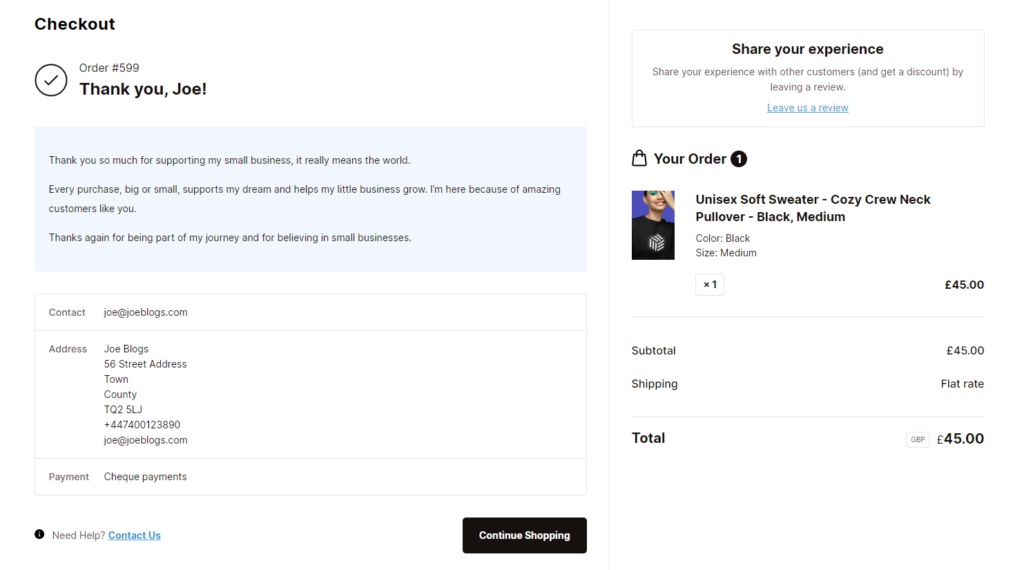
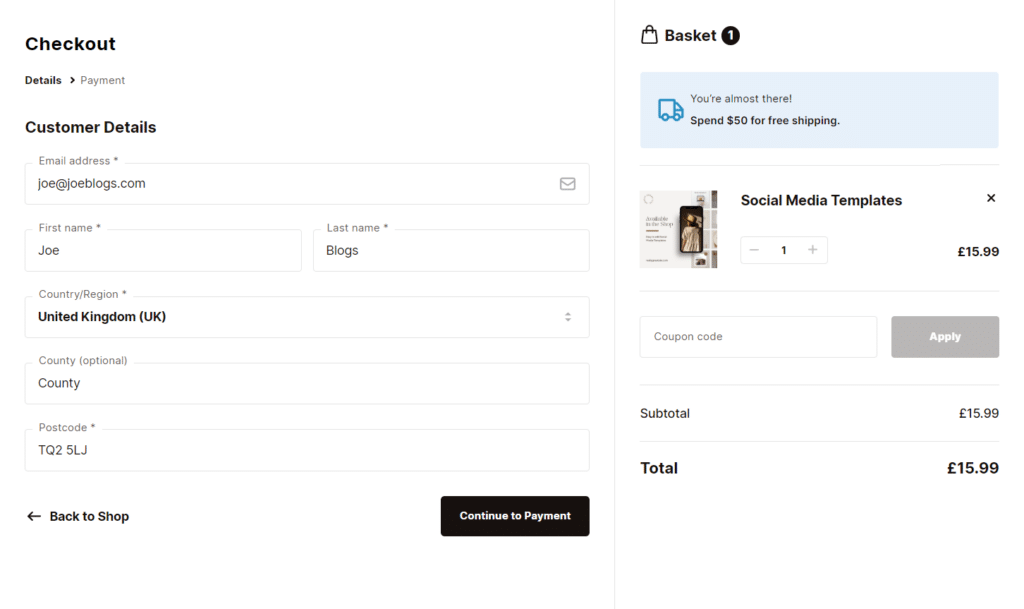
Tip #1: Improve your checkout process including the order confirmation screen
The checkout process overlaps between the pre-purchase and post-purchase experience.
📈 It has a huge impact on creating a positive customer experience, which, according to research, encourages 87% of customers to make a repeat purchase.
This process sets the tone for your customers’ expectations after they hit ‘Buy Now’ or ‘Confirm Order’. For this reason, a smooth and efficient checkout flow creates a positive first impression and makes them confident that they’re in for a great post purchase experience.
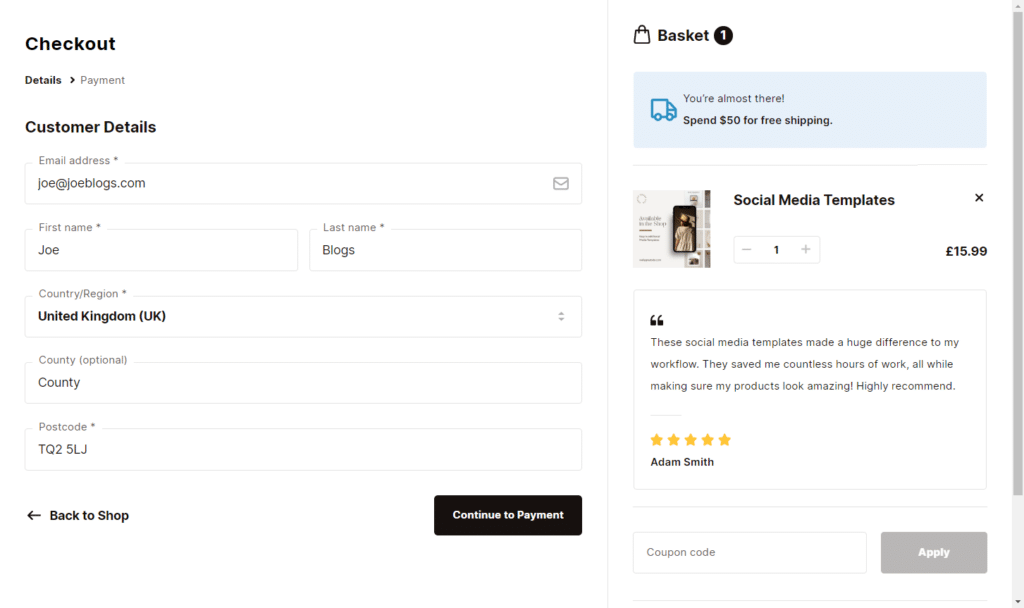
Steps to a great checkout process
There’s so much you can do to make your checkout flow smooth and efficient, including:
- Making it simple. You can do it by introducing a multi-step checkout process, allowing automatic form filling, reducing the fields they have to fill, etc. A simple checkout should be a top priority because a complicated one deters up to 17% of customers from completing a purchase.
- Including a guest checkout option. Allow customers to checkout as guests without creating an account. This is a convenient option for customers looking to make a one-time purchase or those who don’t want to share their information with your ecommerce site.
- Transparent pricing. Be upfront about extra costs such as shipping, taxes, etc., as soon as possible. Customers don’t want to get to the end of the checkout and find out they have to pay more than what they initially anticipated. This causes nearly half (48%) of carts to be abandoned at checkout.
- Improving the order confirmation page. Leverage your order confirmation page to encourage customers to repeat purchases or engage with your brand. You can add a coupon on their next purchase, link to your social media accounts or community forums, etc.
💡 Of course, that’s not all you can do. We’ve covered more tips in our 5 Steps to a Better Ecommerce Checkout guide.
If you have a WooCommerce store using WordPress, you’re in luck. The Flux Checkout for WooCommerce plugin makes it easy for you to improve your checkout.
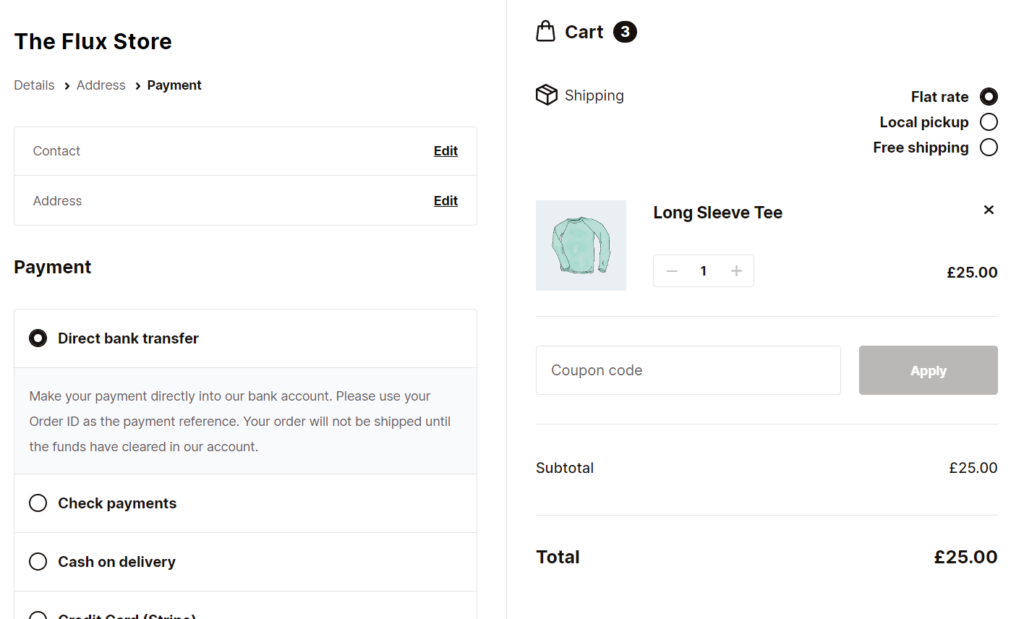
Upgrade your entire checkout process with Flux Checkout
Flux Checkout equips you with everything you need to create a WooCommerce checkout experience that keeps customers coming back. Starting with simplicity, Flux has the following features to ensure customers have an easy time completing the checkout:
- A multi-step checkout. Customers don’t have to do everything (adding their details, payment information, etc.) on one page, which can be overwhelming. Flux Checkout breaks this down into short simple steps that customers can complete easily.
- Form auto-filling. All customers have to do is start typing their address, Flux will generate close matches which they can select. This takes the work out of form filling, creating a great user experience.
- Minimal distractions. Flux keeps the checkout page free from distractions like headers, footers, or sidebars. Also, unnecessary fields like Company name won’t be displayed to keep customers focused on checking out.
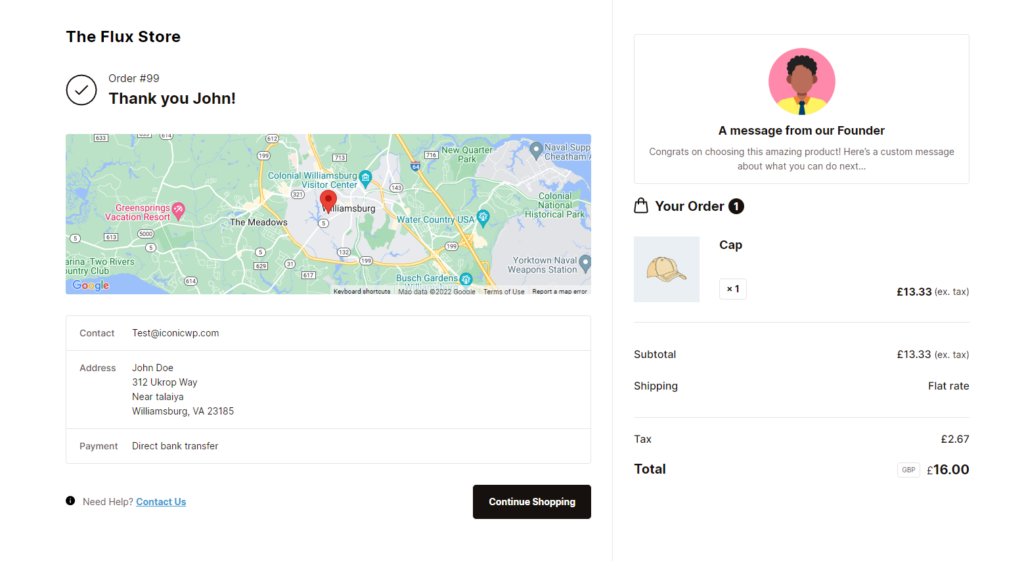
One of the best things about Flux is that it allows you to create a custom order confirmation page and add any content to it. This can be a coupon on their next purchase, a prompt asking them to complete a survey on their purchasing experience, and so on.
This is a great way to invite them to make repeat purchases or keep engaging with your brand.
Flux Checkout for WooCommerce
Flux Checkout transforms the default WooCommerce checkout into one that’s lightning-fast, distraction-free, and reduces checkout abandonment.
Tip #2: Take a good look at your product quality
Your customers come to your ecommerce store mainly because of your product. Its quality can make or break your customer’s satisfaction on its own.
Does your product consistently meet its intended function? Does it deliver the promised benefits, and is it durable? You might think that you have a high-quality product. But if customers keep returning it or leaving negative reviews, you might’ve missed the mark on its quality.
The solution? Assess its quality from a customer’s perspective in the following ways.
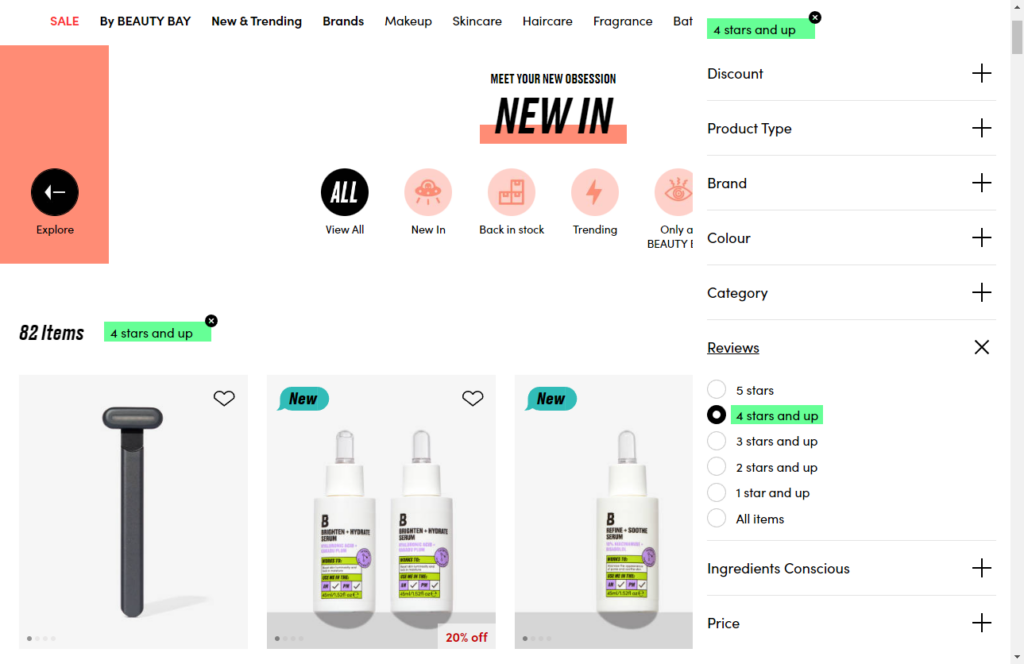
Monitor customer reviews and ratings
When customers are unhappy with your product’s quality, they readily leave negative reviews. These reviews often highlight your product’s weaknesses, such as sizing issues or poor performance. Reading these reviews will reveal how you can improve your product and raise its quality.
Track return rates
High return rates are often a red flag for product quality issues. Look into the reasons why customers are returning these products and identify any trends.
Conduct customer surveys
Allow customers to use your product and then send them surveys asking about its quality. Those who are unsatisfied with it will reveal their reasons, which will inform how you improve the product’s quality.
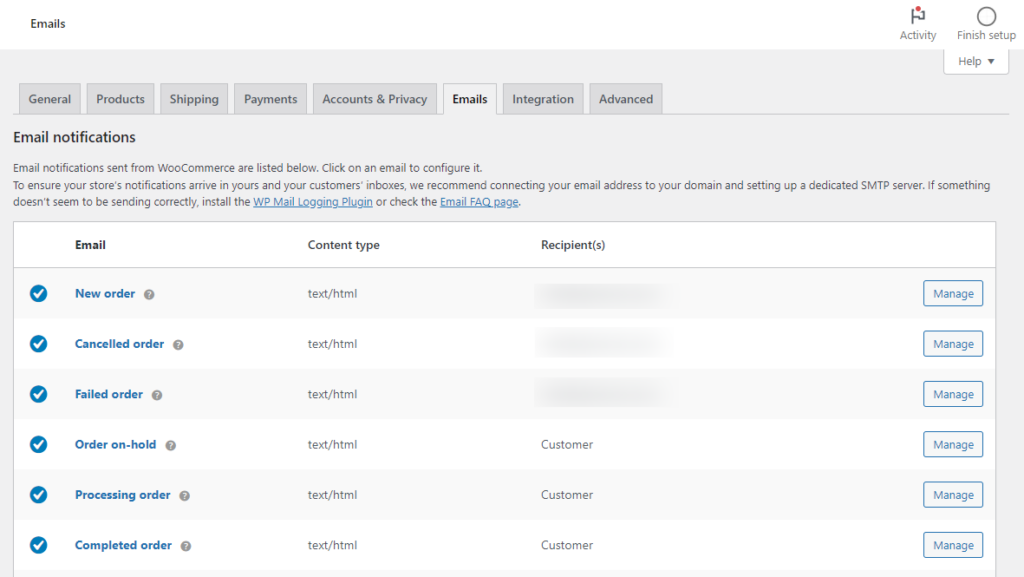
Tip #3: Send post purchase email notifications
Having a post purchase email flow is a great way to enrich your customer’s experience after they buy. You can use email notifications to keep customers in the loop on the status of their orders. For instance, sending an email notification to confirm their order, when the order ships, and when it’s out for delivery.
You can also use it to build customer relationships or to conduct win-back campaigns reaching out to customers who haven’t shopped in a while. Emails present powerful upselling opportunities you can use to improve profitability.
In essence, email notifications are useful post-purchase communication tools. There are endless possibilities on how you can use them to improve your customer’s post-purchase experience.
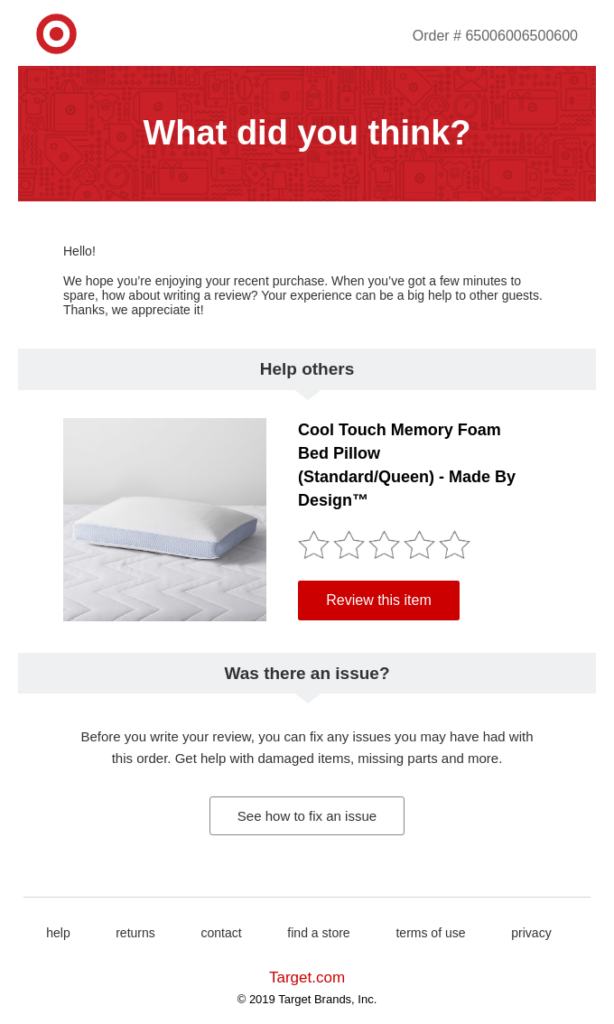
Tip #4: Regularly ask for customer feedback
Knowing what customers think and feel is important if you want to improve their experience. Even more importantly, feedback from past customers can convince new customers to buy from you.
📈 One study found that 98% of customers include online reviews in their purchase decision-making process.
Throughout this guide, we’ve had a peek at how you can collect customer feedback using things like customer surveys, follow-up emails, and reviews on third-party review platforms.
You can go a step further and include feedback boxes just after customers complete the checkout with the Flux Checkout plugin.
Flux Checkout for WooCommerce
Flux Checkout transforms the default WooCommerce checkout into one that’s lightning-fast, distraction-free, and reduces checkout abandonment.
Add feedback boxes to the order confirmation page with Flux Checkout
After ensuring your checkout is smooth enough for customers to reach the order confirmation page, Flux allows you to collect customer feedback on this page. Flux’s order confirmation page has a custom content section that you can use to add feedback boxes.
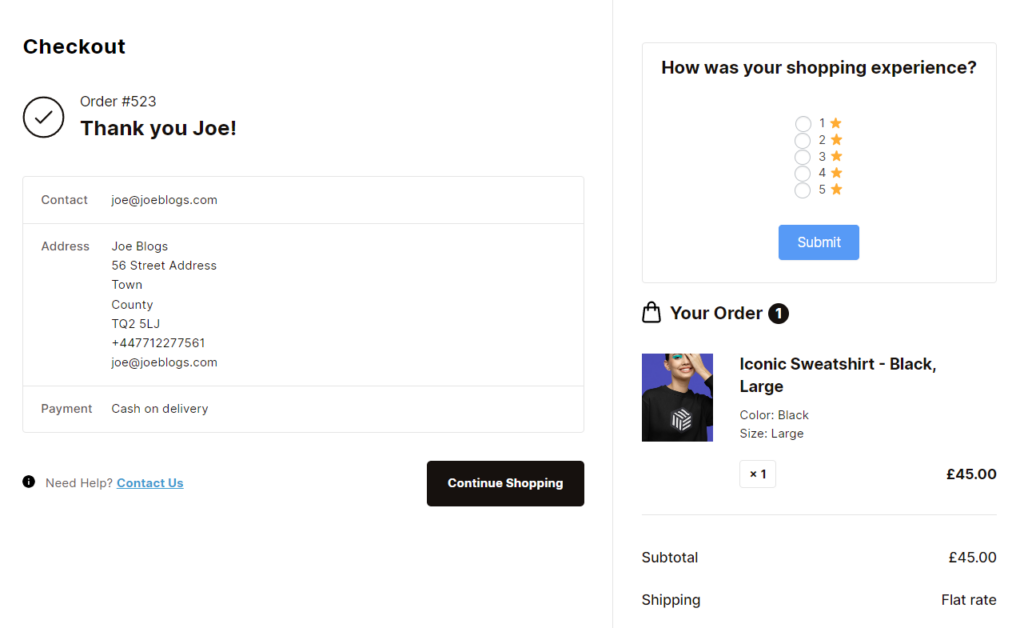
These feedback boxes prompt customers to share their thoughts about their experience with your online store. To encourage them to provide feedback, you can include incentives such as discounts in exchange for reviews or ratings.
💡 There are many more ways to collect customer feedback, which we’ve covered in our Ecommerce Customer Feedback guide.
Tip #5: Improve your returns and exchange policies
Turn your attention to your returns policy and ensure it is customer-friendly. A clear, concise, customer-friendly returns policy reduces your customers’ anxiety after they purchase.
It works as a failsafe – if customers know they can easily return or exchange what doesn’t work for them, they will be more willing to buy again and again.
The first step to improving your returns and exchange policy should be making it easy to find. Burying it deep within your ecommerce will only hurt your customer’s experience. To ensure customers find it easily, place it on the header or footer or link it to the checkout page.
You can also include it in the post-purchase emails you send to your customers. Ensure you clearly state the return window and the steps customers must follow to return or exchange a product.
Apart from making it clear, you can also make it favorable in the following ways:
- Offering free returns so customers don’t shoulder any costs of returning products.
- Being flexible with your return windows.
- Allowing multiple return options, such as in-store or designated drop-off locations.
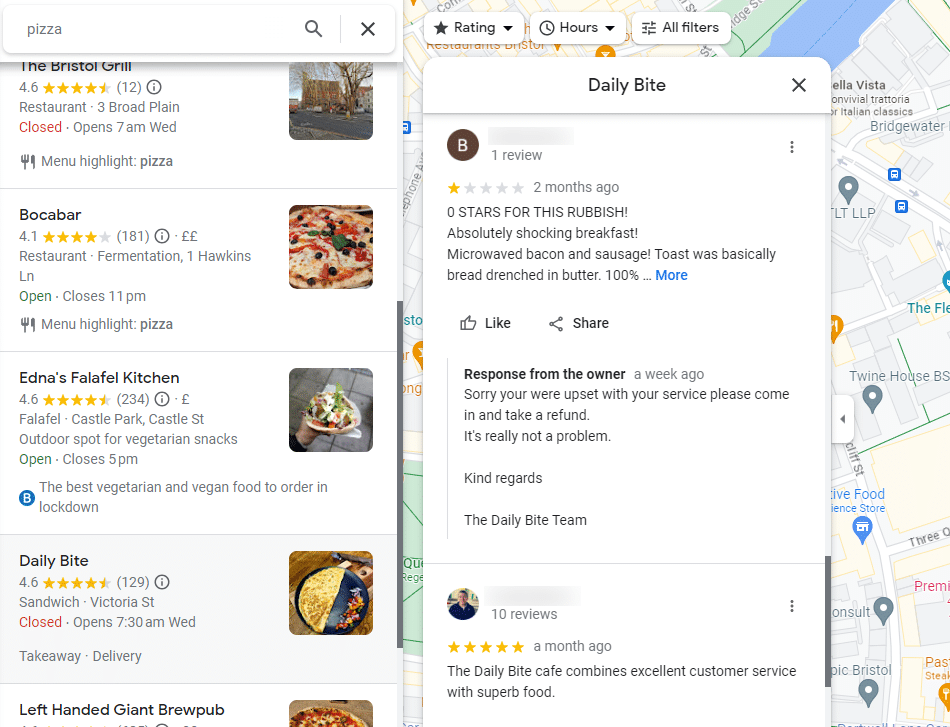
Tip #6: Have a review response strategy in place
After getting customer feedback through reviews, you need a strategy to respond to them. Here, you’ll need a response strategy for three types of reviews.
Negative reviews
Develop a response strategy for negative reviews because they can be quite damaging to your brand’s reputation.
📈 Studies show that a whopping 92% of customers are less likely to a product with negative reviews.
But with a response review strategy, you can do some damage control and turn these misfortunes around.
Here’s how to generally go about it:
- Acknowledge and thank the reviewer for their feedback.
- Carefully read the review and identify the specific issues they raise. Respond directly to their concerns, apologizing and taking ownership of the problem.
- Offer a solution – for example, a product replacement or a refund.
Positive reviews
There isn’t much to do here except thank customers for their feedback. Highlight the positive aspects they mention and then invite them to engage further with your business.
Fake reviews
The harsh reality of ecommerce is that some competitors can employ bots and fake reviewers to review bomb your business. They do this to harm your product or business’s popularity and get the edge over it.
So, monitor your reviews and flag anything that looks suspicious for investigation. Thankfully, third-party review platforms like Yelp have specialized teams to help you take down fake reviews.
Tip #7: Pay attention to the data and make changes regularly
Improving post purchase experience is a continuous process. So, after making the changes we’ve mentioned in this guide, you need to evaluate if they’re getting the desired results.
There are tons of metrics you can measure to determine this, including the purchase frequency, customer lifetime value, repeat purchase rate, etc.(we’ve highlighted some of them previously). Ideally, your adjustments should have a positive impact on customer satisfaction, as reflected in these metrics.
Remember that customer needs and expectations evolve constantly. For instance, nearly half a decade ago, customers paid less attention to whether a product’s packaging material is eco-friendly. Because of this, you should make every effort to measure these metrics regularly and adjust your strategies as needed.

Create a positive post purchase experience in your store today
A positive post purchase experience is invaluable to your ecommerce business’s short-term and long-term growth. It helps you cut down customer acquisition costs and get more revenue from your current customers.
In this guide, we’ve covered several ways you can improve your customer’s experience after they buy including improving your checkout and order confirmation page.
With a WooCommerce site built on WordPress, you’ll need the help of the Flux Checkout for WooCommerce plugin to get it done.
With Flux you can provide a seamless checkout experience that will keep customers buying from you. To top it off, it also allows you to invite customers to leave feedback, purchase again, or keep engaging with your brand on the order confirmation page.
Flux Checkout for WooCommerce
Flux Checkout transforms the default WooCommerce checkout into one that’s lightning-fast, distraction-free, and reduces checkout abandonment.

Gina Lucia is our in-house Content Manager at Orderable. She writes articles, user guides, technical documentation, and creates videos on everything WooCommerce and Orderable.
Gina has been working in the WordPress/WooCommerce space since 2012 when she developed WordPress websites for clients large and small.
For the past 8 years, she’s been writing about everything WordPress and WooCommerce, becoming an expert in what makes a WooCommerce store succeed.
When not writing, Gina loves to tend to her vegetable garden, read, or travel to mainland Europe.