
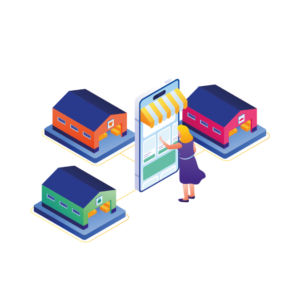
Looking to start a ghost commerce store in 2026, but don’t know what it is, how it works, and how to set it up successfully? This guide is here to help.
Ghost commerce is such a hot topic today. But what this business model is and how it works isn’t clear-cut. It is perfectly normal to wonder how it differs from dropshipping, affiliate marketing, or traditional ecommerce.
Also, you could have questions like: Do you need a website or a social media following? How do you get paid? How do you get started? In this guide, we’ll break down ghost commerce and address all this plus more.
We’ll be covering:
- What is ghost commerce and how does it work?
- How it differs from dropshipping.
- What are the benefits of ghost commerce?
- How to start a ghost commerce ecommerce store with WooCommerce.
Right away, let’s begin by first understanding what ghost commerce is.
What is ghost commerce?
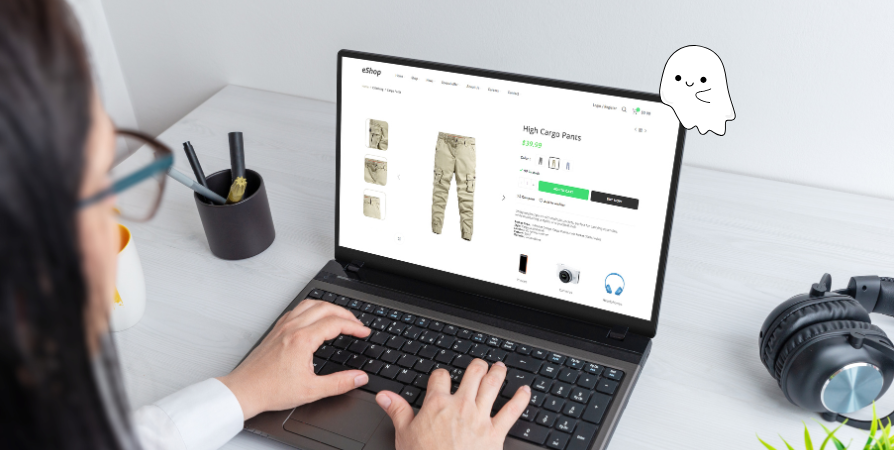
Ghost commerce is an online business model where you sell products online without holding or managing any inventory, or a physical storefront customers can visit. The ‘ghost’ in ghost commerce comes from the idea that you’re selling online without physically handling what you sell.
To break it down:
- There’s no inventory for you to manage, meaning you don’t store or ship products yourself.
- As the seller, you have no physical store. So, you make sales through digital platforms.
- You don’t directly interact with customers.
- You can be entirely anonymous, as you don’t have to market yourself and build a brand.
In essence, it’s like being a ‘ghost’ entrepreneur working behind the scenes to generate income. So what do you actually do to drive sales?
What you do as a merchant
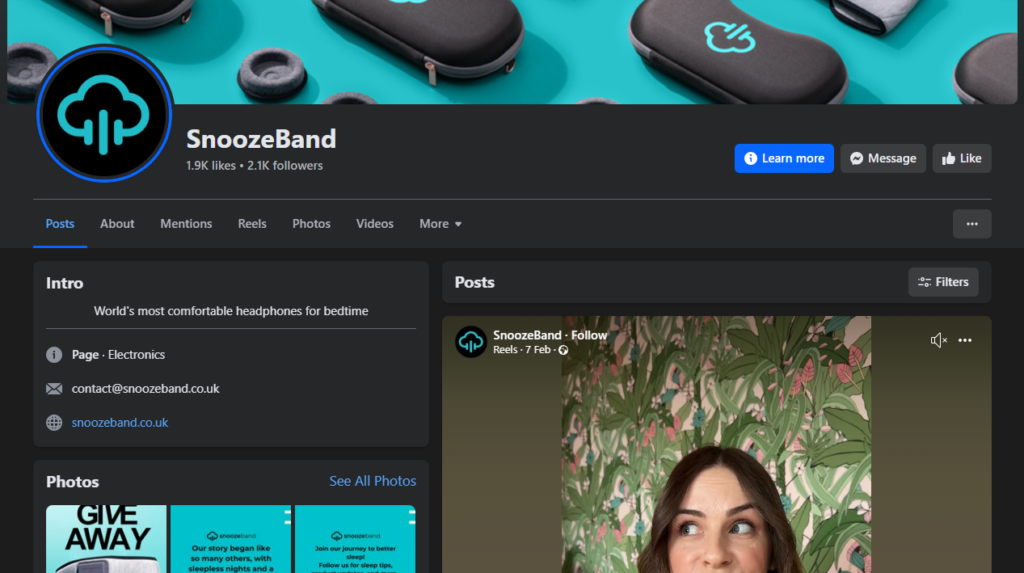
Your core focus is on marketing. Since you don’t have a physical presence, you’ll use online marketing strategies like search engine optimization (SEO), email marketing, content marketing, etc.
Ghost commerce is an innovative twist to the traditional ecommerce we are used to. It’s nothing you haven’t met so far. Especially if you’ve looked into print-on-demand businesses, dropshipping, and affiliate marketing.
But, what you might not know is the specifics of how it sets up. So, let’s summarize its key aspects.

The key aspects of ghost commerce
To summarize, here are the key aspects of the ghost commerce business model:
- As the seller, you never touch or see the product. Everything from restocking, inventory management, and pricing, to fulfilling orders is handled by suppliers.
- You can do it through marketplaces like Amazon and AliExpress or affiliate programs. This is where its constant comparisons with affiliate marketing come from.
- Your focus is on marketing and driving sales, rather than logistics. You can tell that it is very different from traditional ecommerce where you manage inventory and fulfill orders yourself.
Having looked at what ghost commerce is, let’s shift our attention to how it works.
How does ghost commerce work?
To understand how ghost commerce works, we’ll look at it from two perspectives: yours (the seller) and that of your customers. Let’s start with your customer’s perspective.

1. From the customer’s perspective
From a customer’s perspective, ghost commerce feels like a normal shopping experience. They don’t even realize it’s happening behind the scenes.
Customers can come across your products through:
- Your online store.
- A marketplace where you’ve listed products.
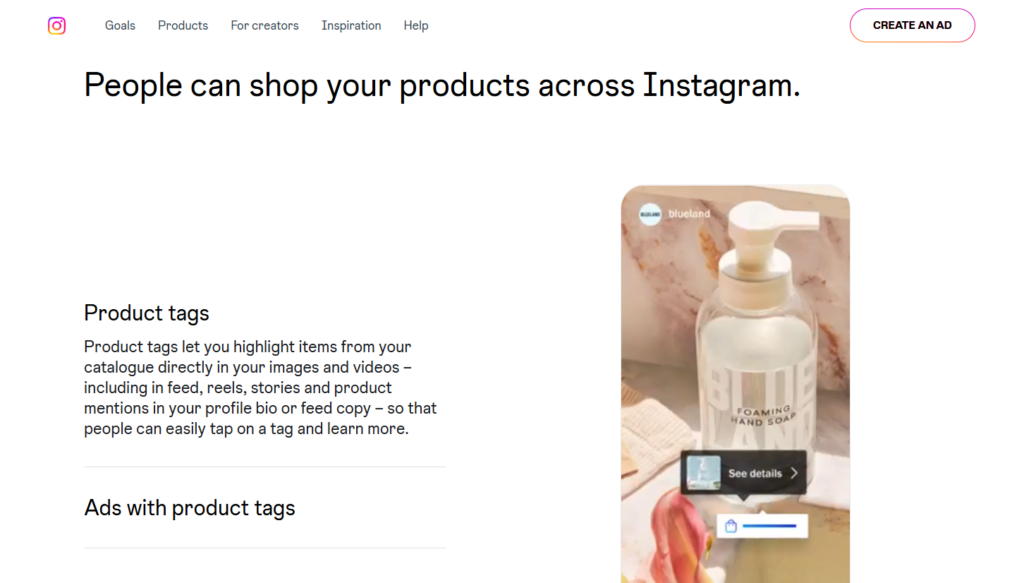
- A social media post or ad.
They place their order, which is processed and fulfilled by a third-party supplier. After a given period, they’ll receive the product directly from the supplier. Depending on how they come across the product, they might not even know you’re behind the sale.
2. From the seller’s perspective
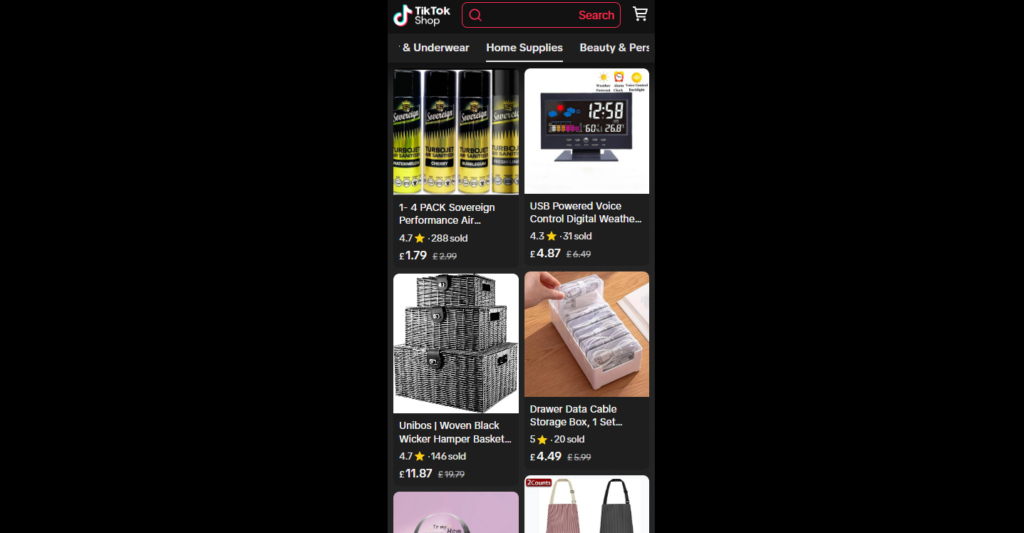
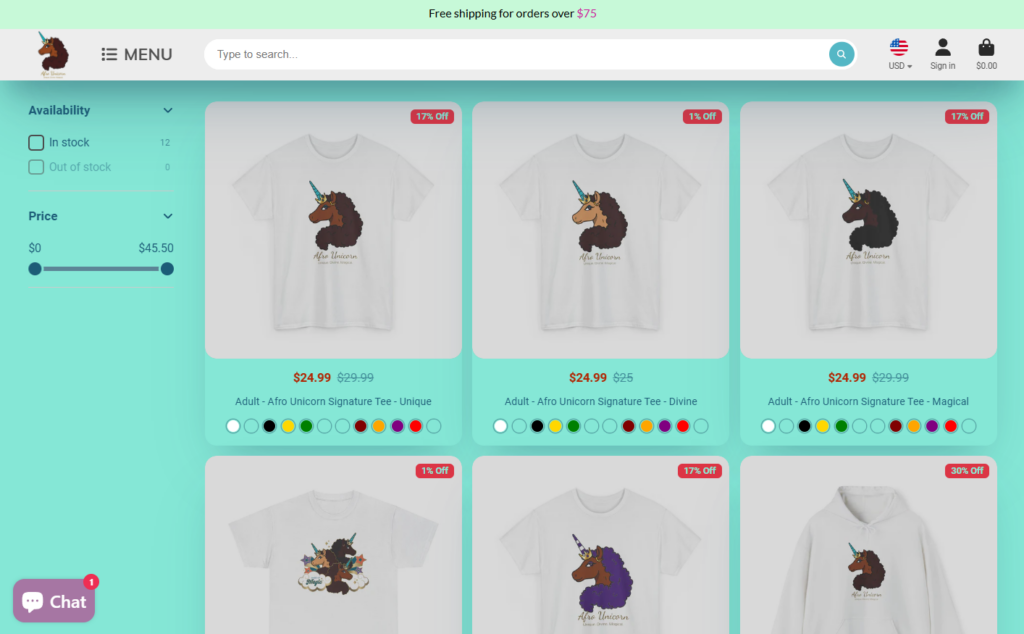
You set up an online store or list products on a marketplace. You can list products on the TikTok shop if you want something more innovative.
Then focus on the marketing strategies we touched on earlier to attract customers. When customers place an order, you automatically forward them to the supplier, who will fulfill them.
Once the sale is completed, you’ll earn a profit in the form of an affiliate commission or referral fees. Essentially, you act as a middleman, connecting customers and third-party suppliers.
Customers go through you to the suppliers and you get paid for it, simple as that.
Types of ghost commerce models
One thing you should know about ghost commerce is that it is an umbrella term. There are different types of ghost commerce that you’ll have to choose from to start your online business.
They include:
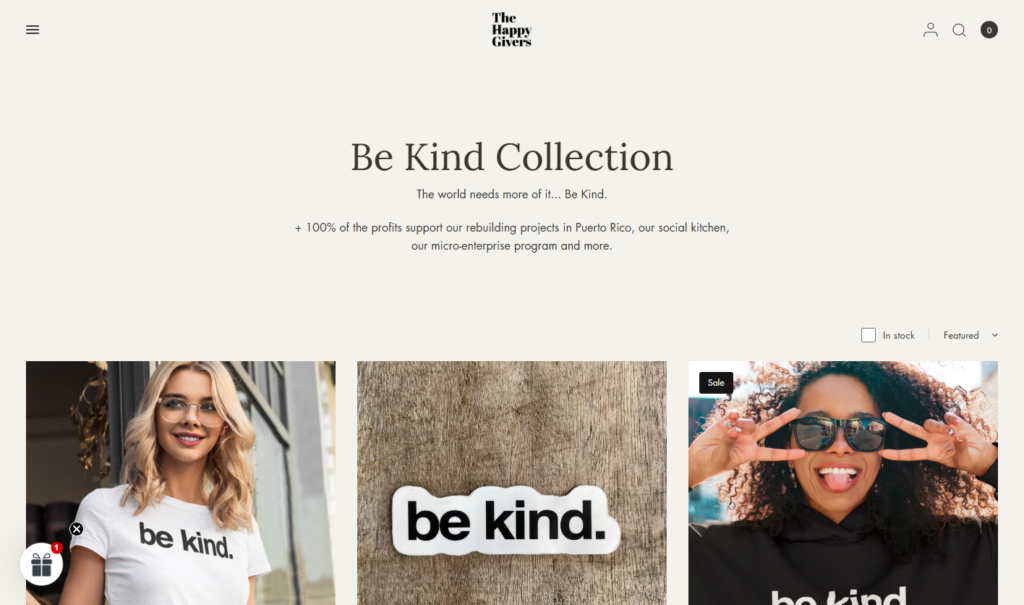
- Affiliate-based. You partner with other businesses to promote their products. They give you a unique link, which you earn a commission when customers buy products through it.
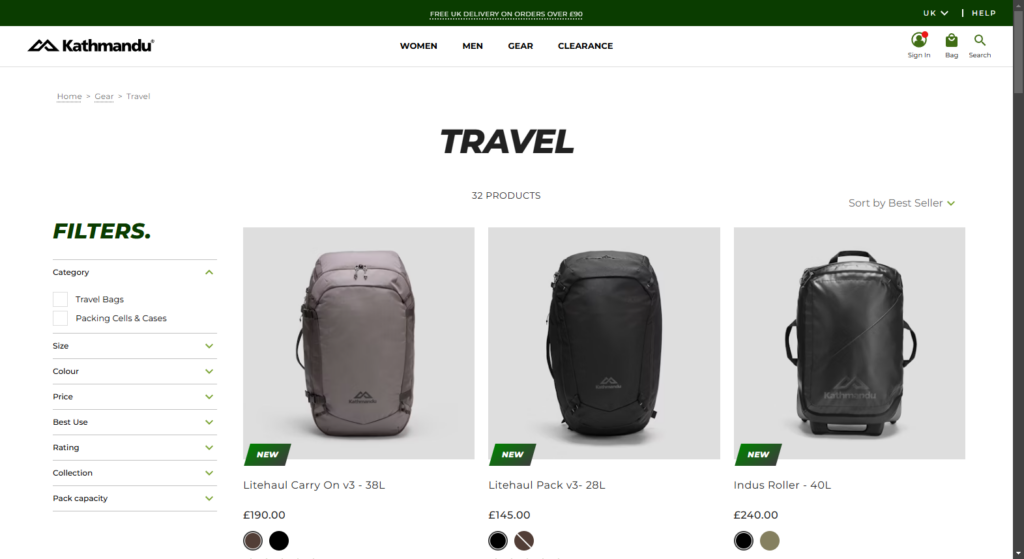
- Marketplace ghost commerce. Here, you list products from a third-party supplier on a popular marketplace such as AliExpress or eBay. When a customer buys the product through you, the marketplace will share part of the profit from the sale with you.
- Automated ecommerce. With automated ecommerce, you use software, AI tools, and third-party services to run your ghost commerce. For example, Amazon FBA can be used to fulfill orders, and RepricerExpress can be used to update prices.
Ghost commerce is quite similar to drop shipping. This is why you’ll often hear some people argue that it is just a new fancy word for dropshipping. But, the two have subtle differences.

Is ghost commerce the same as dropshipping?
First, let’s look at the similarities to see where the comparison comes from. The reason some people feel ghost commerce is ‘rebranded dropshipping’ is because both:
- Involve selling products without handling physical inventory.
- Rely on third-party suppliers to fulfill orders.
They differ because ghost commerce is broad, and dropshipping, in a way, falls under it. In other words, dropshipping is part of ghost commerce, and there are different types of ghost commerce, like affiliate marketing and marketplace ghost commerce, that we’ve discussed earlier.
How they differ
With dropshipping, you usually need a branded store, while in ghost commerce, this is not necessary. There is also some interaction with your customers. You track their orders, offer customer support, and handle refunds and complaints if they arise.
If you’re dropshipping, you still need to handle store operations. This is something you don’t have to worry about with ghost commerce.
So that’s what ghost commerce is and how it differs from dropshipping. Now, let’s look at the benefits of the ghost commerce model and understand why you might want to do it.
What are the benefits of ghost commerce?
Ghost commerce is growing rapidly. Studies show an expected annual growth rate of 22.8% from 2023 to 2030. It has emerged as an appealing option for new ecommerce entrepreneurs and people looking to make some passive income.
This is because it has very real benefits despite the name ‘ghost.’

1. No inventory or warehousing is required
Ghost commerce operations are very simple. You list products, and when orders come in, you forward them to the supplier for fulfillment. Because the supplier handles storing, packaging, and shipping products, no inventory or warehousing is needed.
How this benefits you
This takes a lot of overhead off your hands. You’re free from inventory management, which 63% of retail businesses in the United States struggle with.
- You won’t have to keep track of stock, which takes time and effort.
- If the available stock doesn’t sell, you won’t be stuck with dead stock and incur losses. The hassle of clearing slow-moving stock won’t be a problem.
- You don’t have to find the space to store stock as you won’t physically handle any products.
- Returns and damaged goods are another headache you’ll avoid.
In essence, the supplier takes much of the work off your hands. This leaves you enough time to grow your customer base and build trust.

2. Low startup costs
According to a Forbes study, 90% of all ecommerce businesses fail within the first 120 days of launch. The study further states that 32% of these businesses close their doors because they run out of cash to operate them.
But, with a ghost commerce model, you’ll be free from traditional ecommerce upfront costs such as:
- Buying products in bulk.
- Renting a warehouse to store them.
- Paying for packaging materials and shipping products to customers.
- And more.
This gives your business a great chance to survive when you’re just getting started.
3. Fully automated order fulfillment
If you pick the automated ecommerce model, you can run a ghost commerce business hands-free. As with other ghost commerce models, you don’t process orders manually.
With this model, you take this further by having systems, AI tools, etc., automate everything, from forwarding the purchase to the supplier to fulfilling the order. This way, you can only focus on creating a strong online presence that will attract more customers.
4. No need for personal branding or customer service
Unlike traditional ecommerce, ghost commerce sellers don’t need to build a personal brand. Ecommerce store owners struggle with this because it isn’t easy to stand out in the crowded ecommerce space.
In other words, creating something unique that customers relate to can be challenging. That’s not all, maintaining this brand identity across all touchpoints can be equally as tricky.
Luckily, with a ghost commerce model, you rarely interact with customers. Because of this, you don’t need to build a brand. The supplier will handle customer inquiries and returns if they’re unsatisfied.
These benefits are reason enough to venture into ghost commerce. You may be wondering if this business model has any cons.
Cons of ghost commerce business model
Yes, this business model has its drawbacks. For instance, the profit margins are pretty thin, especially when starting. But this is canceled out by the little work you must do to get up and running.
The supplier is in charge of customer experience. Customer satisfaction entirely depends on them, which makes picking reliable suppliers important. After all, if something goes wrong and you can’t fix it quickly, you might lose customers and trust.
There’s also something to be said for business satisfaction. Sure, you’ve taken away a lot of the work and effort of running an online business, but how satisfied are you with the results? The hands-off approach means that you’re very removed, and your ghost commerce business is just about money-making rather than fulfilling you.
This business model is behind the success of marketplaces such as AliExpress. It creates a win-win situation for you and your supplier, if it’s something you want to do.
With that in mind, let’s look at how to create a ghost commerce ecommerce store.

How to start a ghost commerce ecommerce store
Ghost commerce offers an exciting, yet simple path to get into ecommerce. So let’s explore how to start a ghost commerce ecommerce store and get going with this profitable business model.
1. Choose your business model
As mentioned earlier, ghost commerce is an umbrella term for various business models. So, if you want to start a ghost commerce business, you’ll first need to pick the business model that works for you.
We’ve already covered these models, so here we’ll go over which one to pick, depending on your goals.
Affiliate marketing
Affiliate marketing is the way to go if you have a large following on social media platforms like X, TikTok, or Instagram. The same applies if you’re yet to have this following but are confident you can build one. This is because, with a large following, you can drive traffic to the supplier.
Large following aside, pick affiliate marketing if:
- You’re good at content marketing or SEO. You’ll bring in customers as organic traffic, and avoid spending to do so (which will eat into your commissions).
- You’re in it for passive income. You can generate income for a long time after you initially create content.
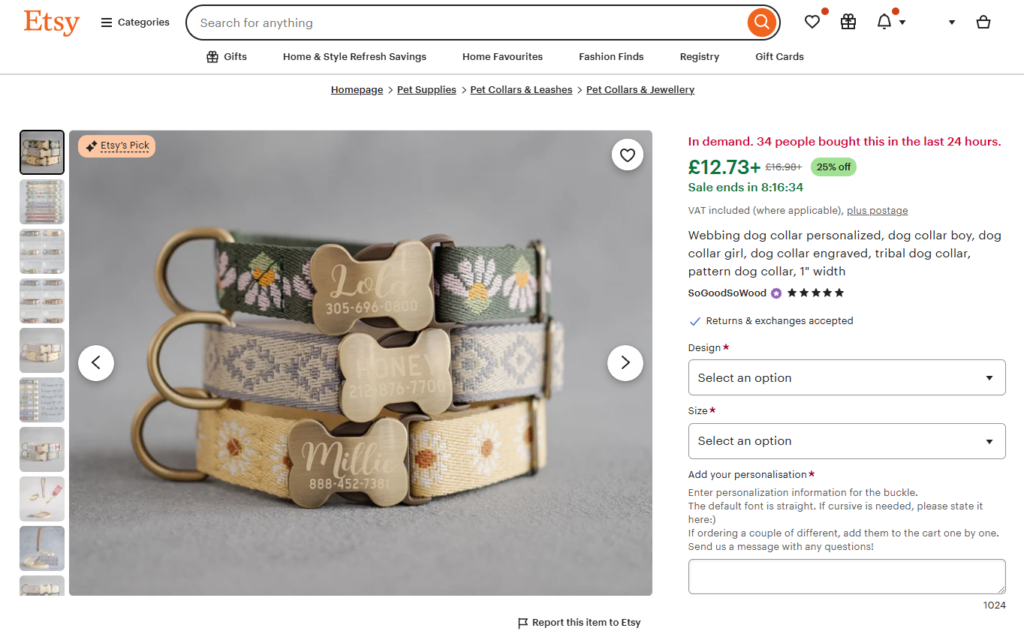
The marketplace model
Marketplaces like Amazon offer you an easy path into ghost commerce because they have built-in customers. Millions of shoppers visit these marketplaces looking for products every day.
So, pick the marketplace model if you want to focus more on finding the right products rather than bringing in traffic. It will take most of the marketing work off your hands.
How to find products that sell
You’ll find high-demand, profitable products by researching within and outside the marketplace. For instance, if you’re on Amazon, you can check out the Best Sellers or Trending Products on eBay. This product is in high demand if you see multiple listings of a ‘portable blender’ in Amazon’s top 100.
You can turn to tools like Google Trends to help you find profitable products outside these marketplaces. If you have a product in mind, you can look up search data using Google Trends to see how much customers are interested in it.
Remember to prioritize product quality when picking products because high-quality products will keep customers returning to your listing.
Automated ecommerce
Automated ecommerce is perfect if you don’t want to run your ghost commerce business hands-free. It’s great if you want a little more of the personal touch, in creating something that’s more like dropshipping. Sure, you don’t handle the inventory or shipping, but you do take care of the online store and marketing.
We’ll pick this as our business model for this article.

2. Set up your store with WooCommerce
After laying the groundwork of picking an ecommerce model and products to sell, create an online store. An online store is a key part of the strong online presence you need to be successful with a ghost commerce business or any business, for that matter.
It’s no surprise that 71% of small businesses worldwide have an online store. So, if you want to get your ghost commerce out there, you need to set up an online store for it.
This will work as your storefront where potential customers can:
- Browse through your products.
- Select what they like.
- Place an order.
How to set up your online store with WooCommerce
Several ecommerce platforms are available for you to set up your online store, including Magento, Shopify, etc. Unfortunately, some charge upwards of $20 – 50/month and fees for each transaction.
Since you’re just starting, you don’t need this eating into your profits. This is why we recommend WordPress and WooCommerce. Not only does it not charge monthly fees, but it is also built on the best content management system, WordPress.
It is user-friendly, allowing anyone to set up an online store in minutes. Let’s go over how to set up your online store with WooCommerce step-by-step.
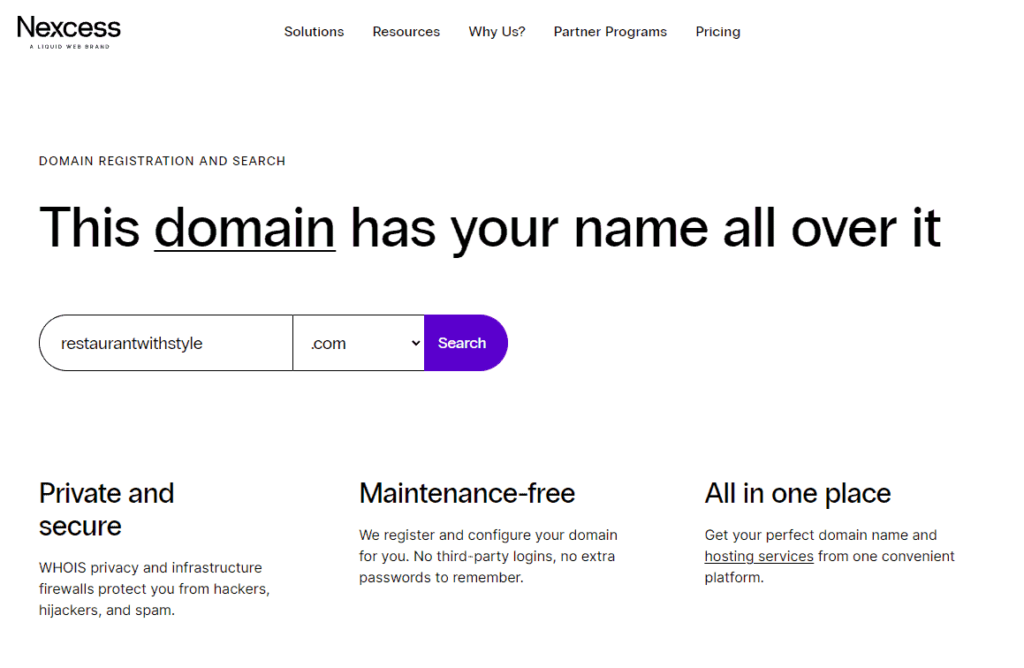
Step 1: Get a domain name
Simply put, a domain name is your ecommerce site’s address. It is what customers will type in their search bar to find your site, for example, myghostcommercestore.com. There are tons of domain registrars where you can register for a domain name.
But since we want to keep everything in one place to simplify this process, we recommend Nexcess. So head over to the Nexcess Domain Registration page and type in your preferred domain name.
Check if it is available. If it is, then add it to your cart.
Step 2: Get managed WooCommerce hosting and install WooCommerce
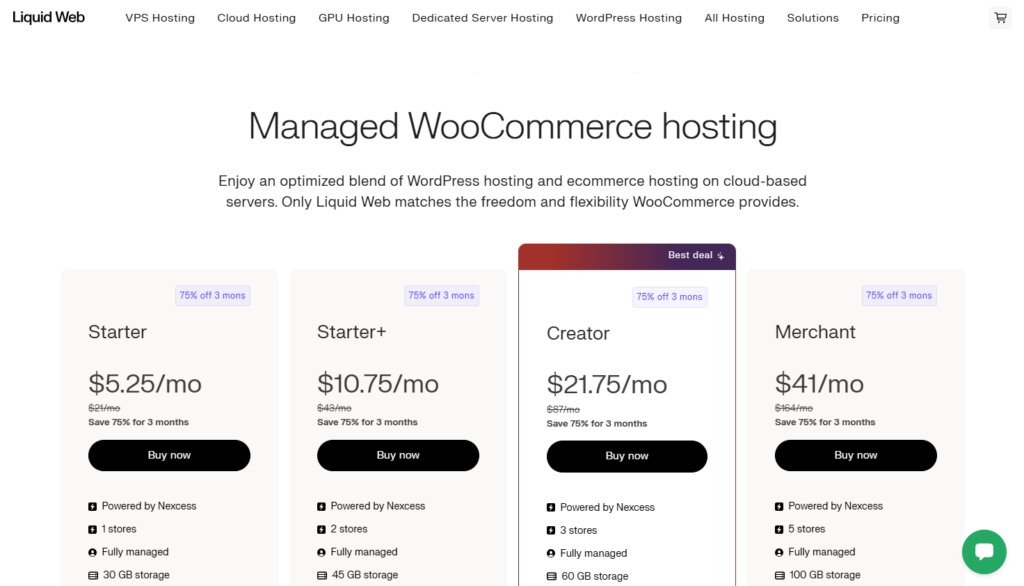
Managed WooCommerce hosting is a special type of hosting designed specifically for a WooCommerce store. In other words, it is set up in a way that makes managing your WooCommerce store easier.
Nexcess offers powerful managed WooCommerce hosting that you can use to create a strong foundation for your website. You can purchase them here: nexcess.net/woocommerce, after you do, Nexcess will install WordPress and WooCommerce for you.
All you have to do is retrieve your login information and log into your WooCommerce site. It’s that simple.
Step 3: Install a lightweight theme
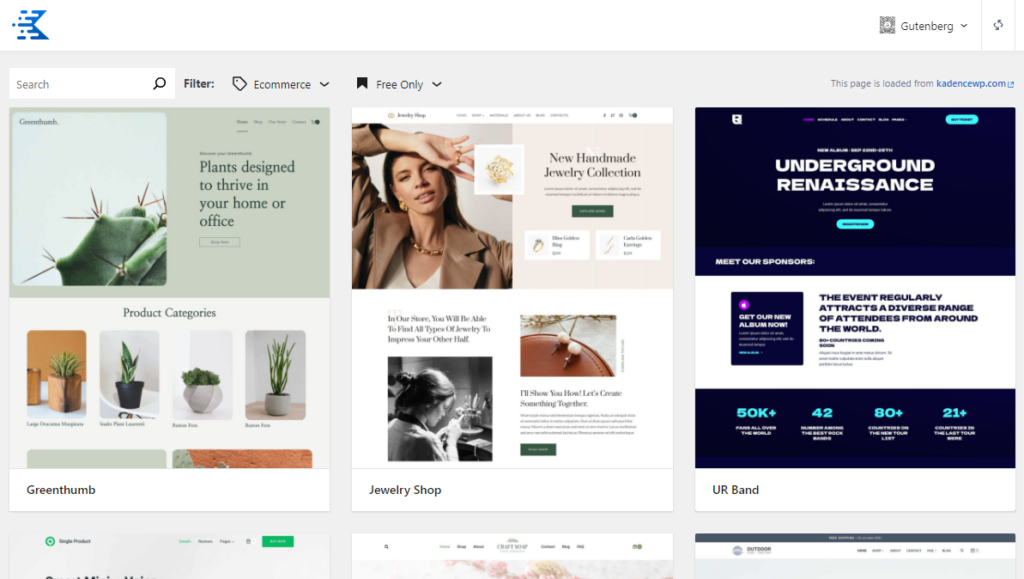
A theme will give your online store a general appearance. You can get themes from the Appearance > Themes section on your WordPress dashboard. For this, we recommend Astra and Kadance Starter Templates.
Astra because it’s lightweight, and Kadance Starter Templates because they’re so many options, and you can find what works for you.
This is a simple overview of this setup process. If you want to dive into the details, check out our How to Start an Online Store guide.
3. Install essential plugins to automate ghost commerce
After you’re done with the initial setup, you’ll need to install some plugins to make managing your ghost commerce store easier. These include:
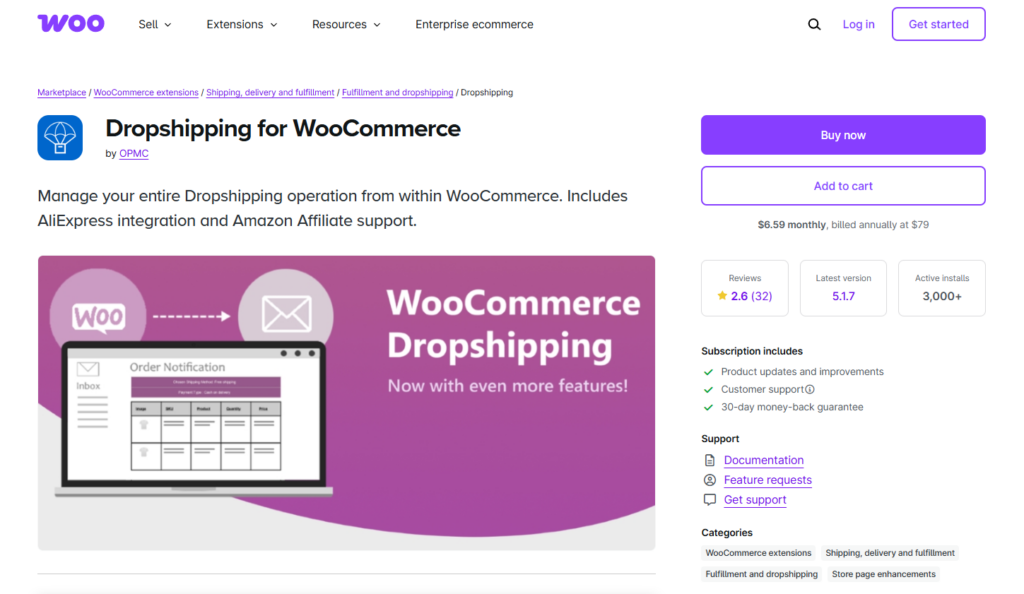
1. Dropshipping for WooCommerce (formerly WooCommerce Dropshipping)
If you want to base your ghost commerce business on marketplaces such as Amazon, AliExpress, or even local suppliers around you, this is the plugin for you. Dropshipping for WooCommerce provides everything you need to list products from third-party suppliers and run a ghost commerce shop on WooCommerce.
So, what can you do with Dropshipping for WooCommerce?
How Dropshipping for WooCommerce works
This plugin has a Google Chrome extension, allowing you to import products from AliExpress easily. Once you install it on your WooCommerce site, you can import any product from AliExpress to your WooCommerce store.
All you have to do is visit a page(s) containing the products you want to import. You can do this one product after another or import an entire category simultaneously.
The plugin provides a popup that you can use to edit product information before importing it. You can:
- Edit product descriptions.
- Edit the image and SKUs.
Once this is done, the products will be automatically imported to your online store ready for browsing.
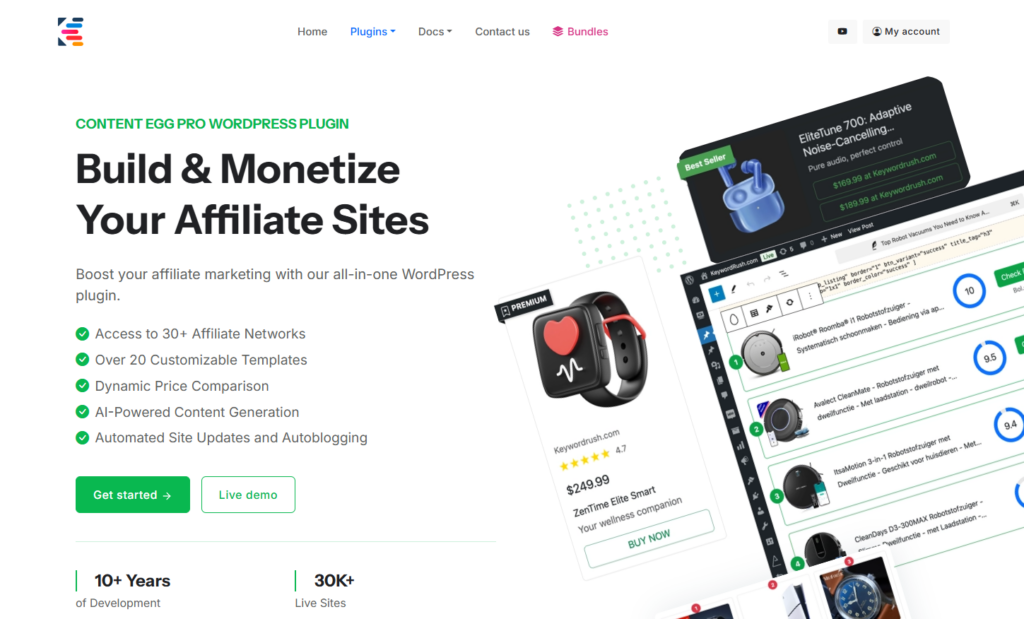
2. Content Egg
Content Egg allows you to convert your WooCommerce site to an affiliate website in minutes. It is perfect if you’re running the affiliate-based ghost commerce model.
How it works
With Content Egg, you can import products from several marketplaces, including Amazon, AliExpress, eBay, Best Buy, and many more. If you’re doing this from Amazon, you don’t need to be an approved Amazon Associate.
You can use keywords to find best-selling products and embed them on your WooCommerce site with shortcodes or blocks. Content Egg will automatically update these sections for you regularly.
Once you import products, your affiliate ID will be added to the affiliate links. You’ll earn commissions when customers buy these products from your website.
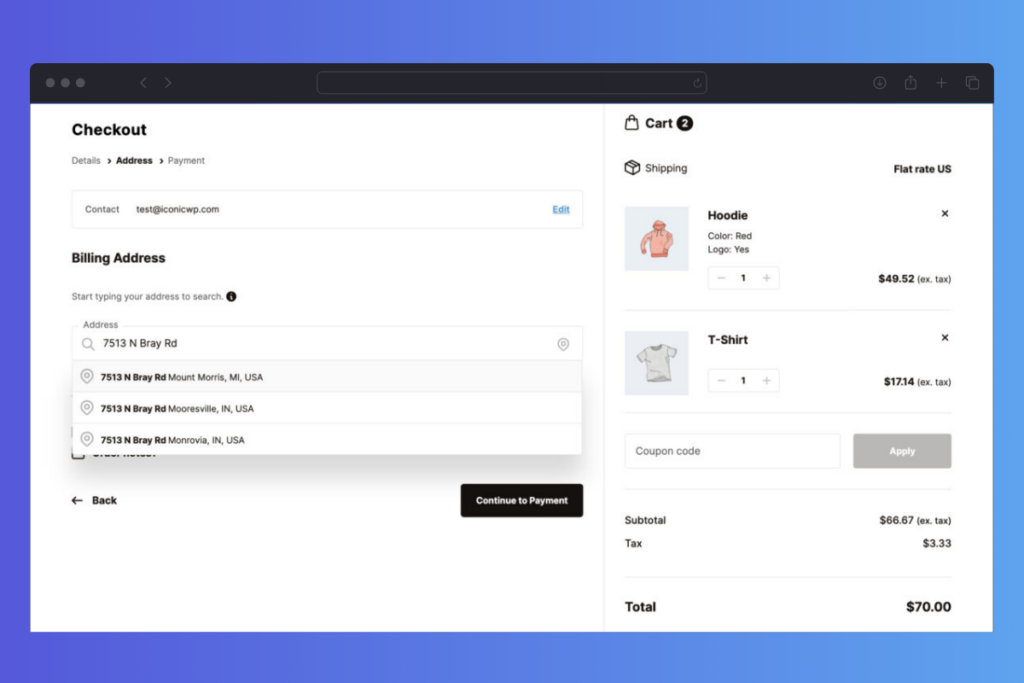
3. Flux Checkout for WooCommerce
Checkout is crucial for any business operating online, including ghost commerce stores. When customers get to this point, sales are in touching distance. This is why losing a sale at the checkout is very frustrating.
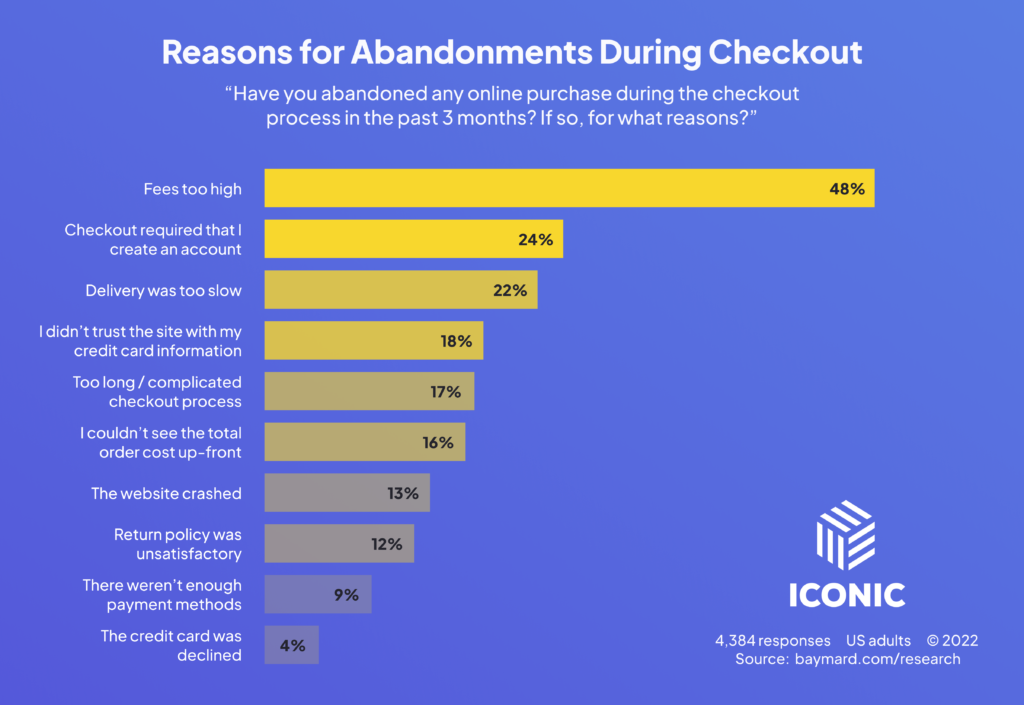
So, what can cause you to lose sales here? A few things:
- A slow loading checkout flow.
- The checkout process is too long/complicated – Research from the Baymard Institute shows that this causes 22% of customers to abandon their carts.
- Unexpected extra costs – These costs blindside customers and are responsible for a whopping 48% of abandoned carts.
- Forcing customers to create an account.
To avoid these issues, you need to optimize your checkout flow.
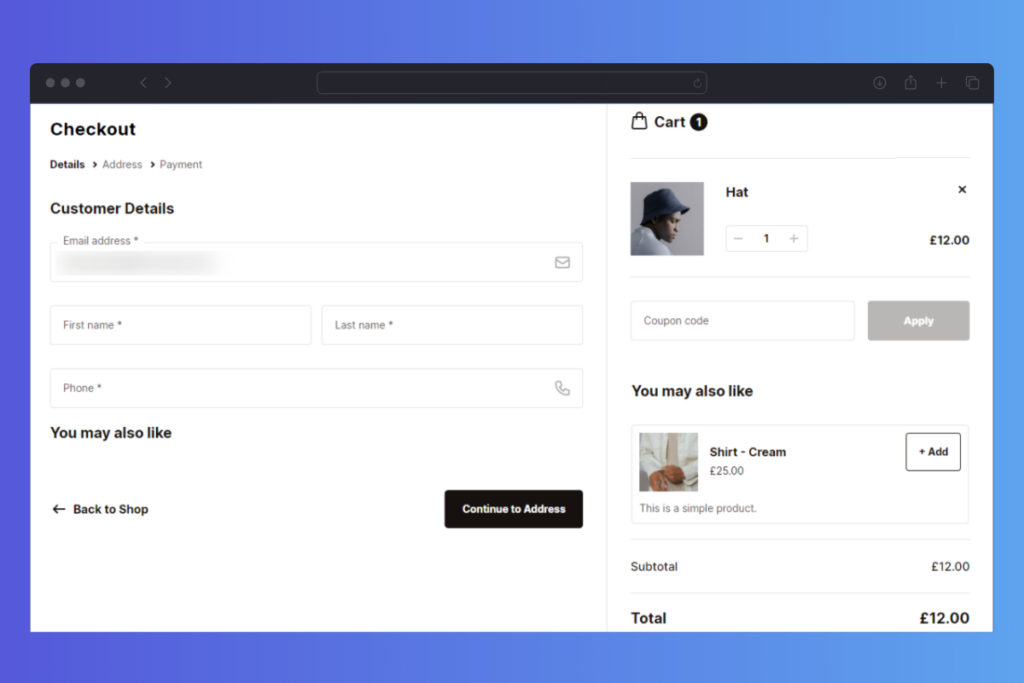
Optimize your checkout flow with Flux Checkout
Thankfully, you can optimize your checkout flow with the help of the WooCommerce checkout plugin Flux Checkout.
Flux Checkout speeds up and simplifies your default WooCommerce checkout, allowing you to convert more site visitors into paying customers. With this plugin, you’ll have everything you need to make your checkout flow as smooth as possible.
This includes:
- A refined mobile-friendly checkout design. You can select classic and modern pre-built checkout templates and edit them to fit with your store’s design.
- Minimal checkout distractions. Anything that isn’t needed, for instance, Coupon Code fields, headers, or footers, will be removed to keep customers focused on checking out.
- Address autocomplete. To save customers time they would otherwise spend filling their billing address fields.
That’s not all. Flux does so much more to improve your checkout.
Flux Checkout for WooCommerce
Flux Checkout transforms the default WooCommerce checkout into one that’s lightning-fast, distraction-free, and reduces checkout abandonment.
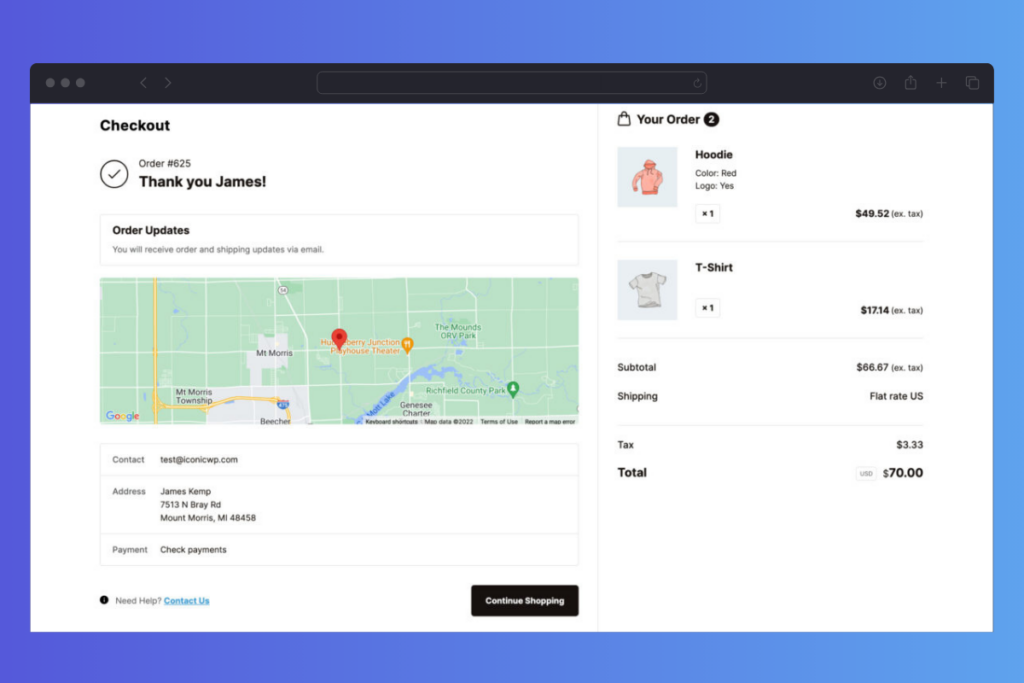
How else does Flux upgrade the default WooCommerce checkout
The default WooCommerce checkout lumps all of the checkout steps on one page. This is too much work to do in one step, which can easily overwhelm customers. To counter this, Flux breaks the checkout flow into simple steps to make it easier to complete.
Also, it gives you the option to create a custom ‘Order Received’ page. You can use this to improve your customer’s post-purchase experience and encourage them to return.
4. List and market your products
Now that your online store and tools are ready, it’s time to list and market your products. How you list your products depends on where you source them from. You can get them from the marketplaces we’ve mentioned throughout the guide.
So here’s how you’ll do it:
- Use the Dropshipping for WooCommerce plugin. If you want to import products from AliExpress and local supplies. All you have to do is visit the product or categories page and select what you want to list.
- Use the Content Egg plugin. If you want to import products from several affiliate networks right from your WordPress dashboard. With Content Egg, you don’t have to worry about syncing your store with suppliers – it does this for you automatically.
At this point, your store is up and running, and your products are listed. You can move on to where you need to place all your focus: marketing.
Promote your listings
Most of your ghost commerce store owner’s work would be to market your products. This is how you get your listed products out there for customers to see, browse, and purchase them.
To promote your listings, you’ll use digital marketing strategies such as the following.
SEO
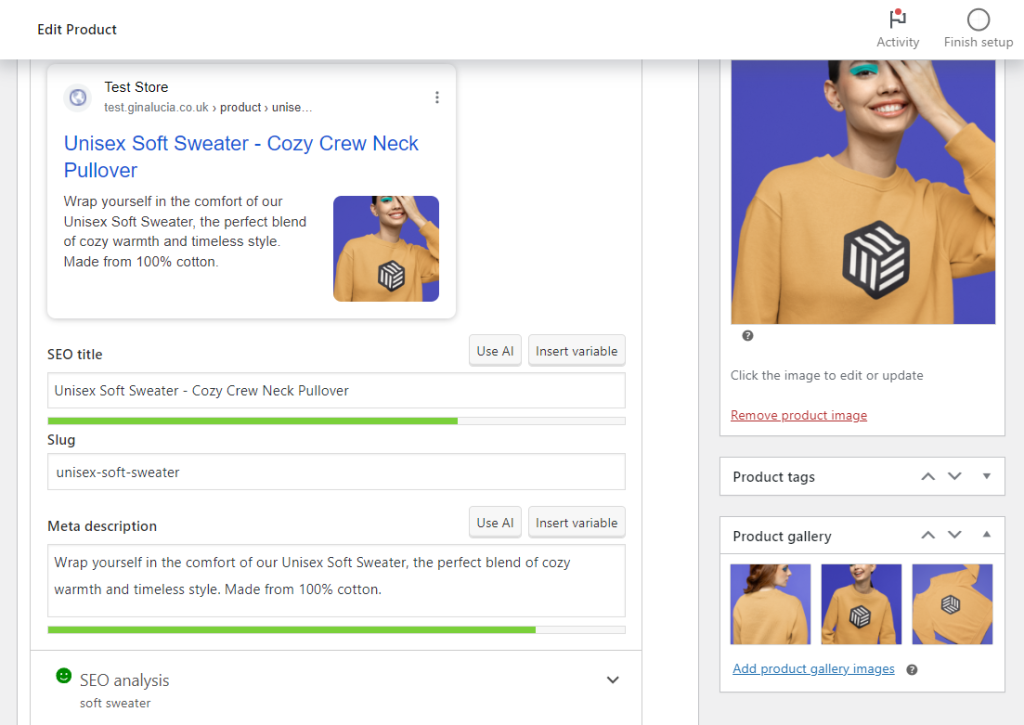
This is where you should start because SEO is a cheap way to let customers know what you’re selling. What you invest in SEO (which is usually very little) has the potential to yield results a hundredfold.
Keywords are the foundation of SEO. So, to start your ghost commerce store’s SEO, you might need to get a keyword research tool like Ahrefs to help you get the right keywords. Once you do spread them out in your product descriptions, titles, meta descriptions, etc.
Keyword research isn’t the only thing you’ll need to do. You can dive into our detailed WooCommerce SEO guide to see how to optimize your store for search engines.
Influencer marketing
Influencer marketing is so popular today because influencers have loyal followers ready to jump on a product if they recommend it. So, you should consider partnering with influencers who can bring in streams of customers to your business.
You’ll have to find influencers promoting products in your niche. When you find them, reach out to them and propose a partnership. You don’t have to go for the established influencers that will cost you thousands of dollars.
Instead, partner with micro-influencers and benefit from each other.

Social media marketing
Your potential customers are on social media. 32% of them use social media platforms to find or learn about products. Because of this, you should also be as active as you can on social media, posting about your products and engaging with customers.
This gives your products a great chance of being discovered. Also, you can build a loyal following for yourself and guarantee regular business for your store.
Apart from these, you should also consider other online marketing strategies like paid ads, email marketing, content marketing, and so on, as long as you can keep them profitable.
Remember to look at marketing as a process rather than an outcome. So, as you implement these strategies, measure their effectiveness regularly and see where you can improve.
Get to grips with ghost commerce today
Ghost commerce is such an exciting business venture, worth considering if you’re new to ecommerce and don’t have the resources to start this type of business. It is easy to start and even easier to manage.
In this guide, we broke this business model down and hope that by now, you understand what it is and how you can get started. WooCommerce provides you with a great foundation for starting your ghost commerce store.
But, on its own, it’s not enough to keep everything running smoothly and drive sales. To do this, you can install plugins like Dropshipping for WooCommerce, Content Egg, and:
- Flux Checkout for WooCommerce – Create a fast, smooth checkout experience to boost conversions.
Start your ghost commerce store today with WooCommerce and these tools to reap the benefits of this unique business model.
Flux Checkout for WooCommerce
Flux Checkout transforms the default WooCommerce checkout into one that’s lightning-fast, distraction-free, and reduces checkout abandonment.

Gina Lucia is our in-house Content Manager at Orderable. She writes articles, user guides, technical documentation, and creates videos on everything WooCommerce and Orderable.
Gina has been working in the WordPress/WooCommerce space since 2012 when she developed WordPress websites for clients large and small.
For the past 8 years, she’s been writing about everything WordPress and WooCommerce, becoming an expert in what makes a WooCommerce store succeed.
When not writing, Gina loves to tend to her vegetable garden, read, or travel to mainland Europe.