
Looking to learn how to sell art online but don’t know the specifics or where exactly to begin? This guide is here to help. We’ll cover all the essential details and answer your biggest questions.
Selling art online is an excellent opportunity for artists to reach global audiences and earn income on their own terms. However, getting to this point requires the right tools and a solid foundation to begin in the first place.
You can quickly become overwhelmed by the many choices, different sales platforms, tools, and strategies, making it hard to know where to start or what will work best.
In this guide, we’ll help you cut through the noise by providing a clear path to selling your art online.
We’ll cover everything, including:
- Finding your ideal audience.
- Choosing what pieces to sell and where to sell them.
- Pricing your art fairly.
- Marketing your art effectively.
- Using plugins to easily sell art online (bonus).
Let’s get started right away.
How to sell art online
The best way to build a successful online art business and sell artwork online is to start with a solid foundation. Several components go into creating a strong start, from understanding your art and audience to choosing the right platforms and marketing strategies. Each step also builds on the next one.
Let’s analyze these components, starting with defining your art and identifying your ideal buyers.
1. Understand your art and your audience
Before you start selling art online, it helps to take a step back and consider what makes your work distinct and who it speaks to.
Define your style
Your art style might already be well-defined, or it might still be evolving. Either way, identifying recurring themes, techniques, or mediums can help you communicate your creative identity more clearly to potential buyers. It’s about describing what you do in a way that connects with the right audience.
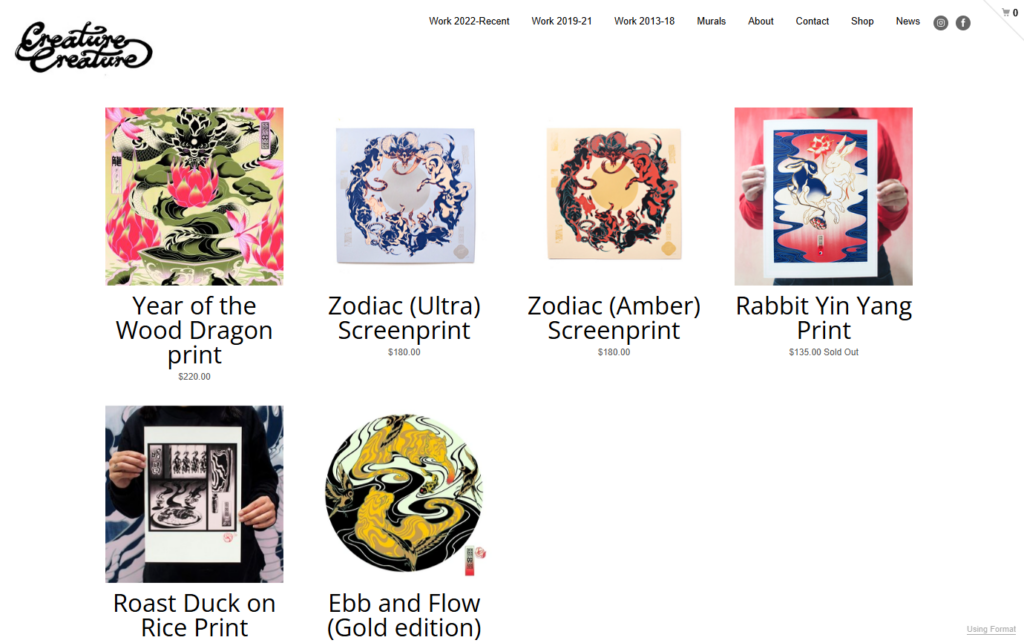
Start by reviewing your recent work. Are there particular colors, materials, or subjects you return to again and again? Are there emotions or stories that thread through your pieces? These consistent elements can form the basis of your style and, ultimately, your brand.
This clarity helps with marketing and makes it easier to find and attract buyers who genuinely like with your work. The goal is to find the people who see your art and feel something.
Whether you work with oil paints, collage, digital tools, or mixed media, the way you describe and present your art plays a huge role in turning interest into sales.
Identify your audience
If you’re sharing your work online, chances are your audience is already forming around you. You just need to tune into who they are and what they’re looking for.
Social media is a great starting point. Pay attention to which pieces get the most likes or comments, who’s following you, and what kind of feedback you’re getting.
You might start to notice patterns:
- Are people imagining your work in their homes, offices, or galleries?
- Do they ask about commissions, prints, or pricing?
- Are they fellow creatives, collectors, or casual buyers looking for something that speaks to them?
Beyond your own platforms, you can learn a lot from art communities, online marketplaces like Saatchi Art or Etsy, and even from artists with a similar aesthetic or audience. What kind of language do they use to describe their work? What types of pieces are selling well?
During this research, think about demographics, but don’t stop there. Consider lifestyle, values, and what your audience seems to care about. Are they drawn to bold statement pieces? Calming, nature-inspired prints? Abstract work with emotional weight?
Understanding your audience helps you with pricing, positioning, what to offer, and how to talk about it.
2. Choose what to sell
When selling your art online, there’s no one-size-fits-all approach. What you offer can evolve over time and should reflect your creative strengths and the audience you’re building.
Here are some of the most common ways artists successfully sell their work:
Original artwork
Selling original art means offering one-of-a-kind pieces, paintings, sculptures, and mixed-media works that exist as a single creation. These tend to attract art collectors and art lovers who value exclusivity and are often willing to invest more.
The trade-off? Originals take time to produce, and pricing can vary depending on materials, subject matter, and buyer interest. But for many artists, originals remain at the heart of their business.

Prints and reproductions
Prints let you scale your work and reach a broader audience at a more accessible price point. You can handle printing and shipping yourself (for higher margins and control), or use print-on-demand services that simplify fulfillment. However, you’ll sacrifice some profit per sale.
Prints can come in many forms: canvas, fine art paper, posters, and acrylic prints. Your chosen format depends on your art style and how your audience likes to display it.
Merchandise
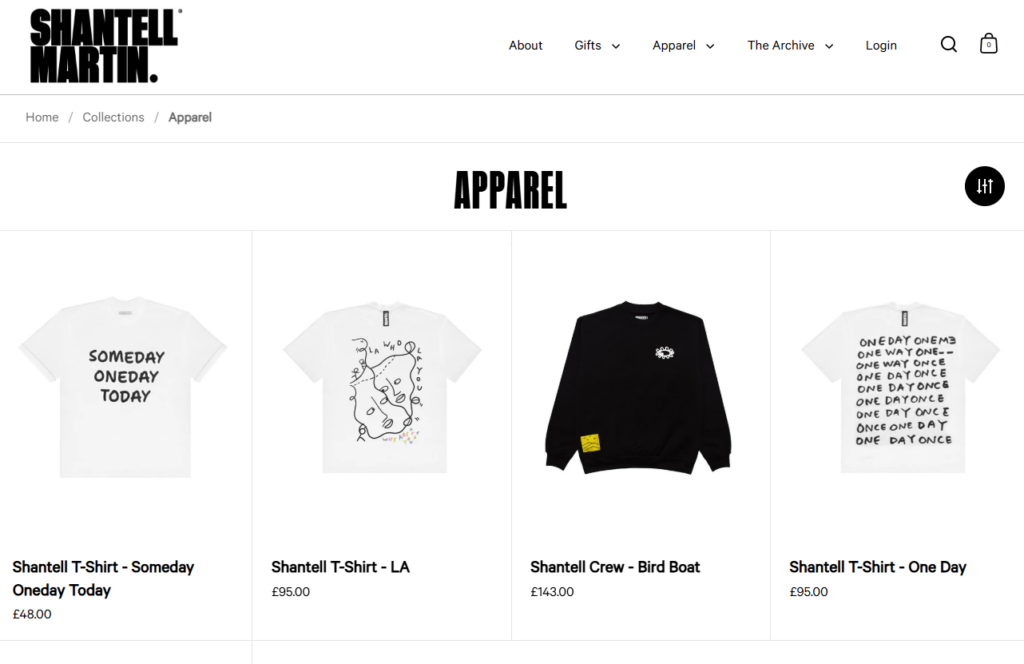
Your art doesn’t have to stay on a wall. Applying your designs to wearable or functional items, like apparel, mugs, tote bags, t-shirts, or home décor, can expand your audience and income streams. This route works well if your work lends itself to bold, graphic designs or has strong visual appeal in smaller formats.
Digital downloads/digital art
If you work digitally or want to offer more affordable options, downloads are a low-overhead way to sell your art. Think printable wall art, device wallpapers, or even NFTs.
They’re easy to scale since no shipping or inventory is involved, but they do come with piracy concerns. Watermarks, licensing terms, or encrypted delivery systems can help protect your work.
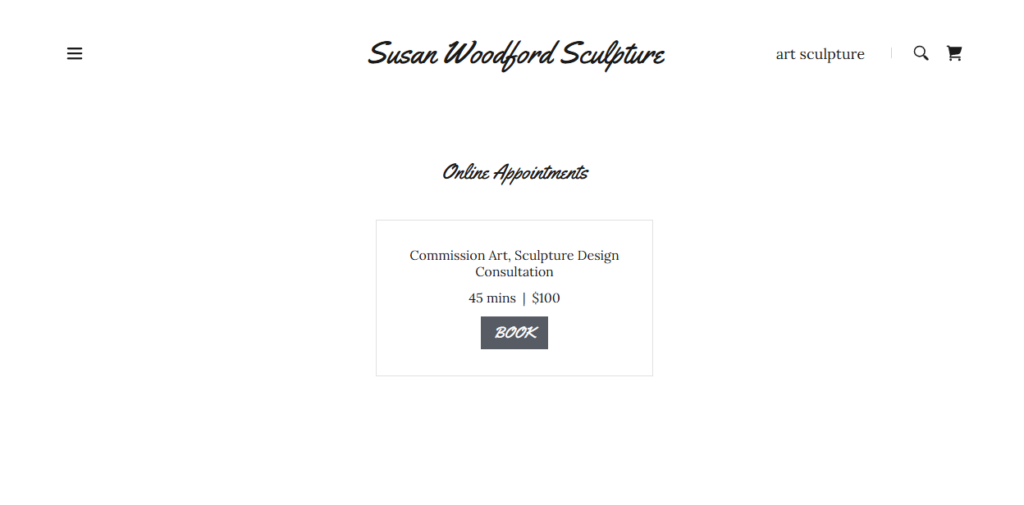
Commissions
Offering custom pieces lets you work directly with buyers, bringing their ideas to life through your style. Commissions can strengthen connections and lead to steady work, especially if clients are aligned with your creative vision.
Just keep in mind that commissions often require more time and emotional energy, and they’re most rewarding when expectations are clear from the start.
3. Decide on your selling platform
The choice of which sales channel you use to sell your art online impacts your reach and your success at making online sales. Here are the main options:
Marketplaces
Online marketplaces are sales platforms where sellers list their work for buyers to browse and purchase. Popular examples include Etsy, eBay, and Amazon Handmade.
The main draw to these marketplaces is their large customer base. Millions of buyers visit these sites daily, so you don’t have to build traffic from scratch. Platforms like eBay are great for print-on-demand, merchandise, digital products, and art prints.
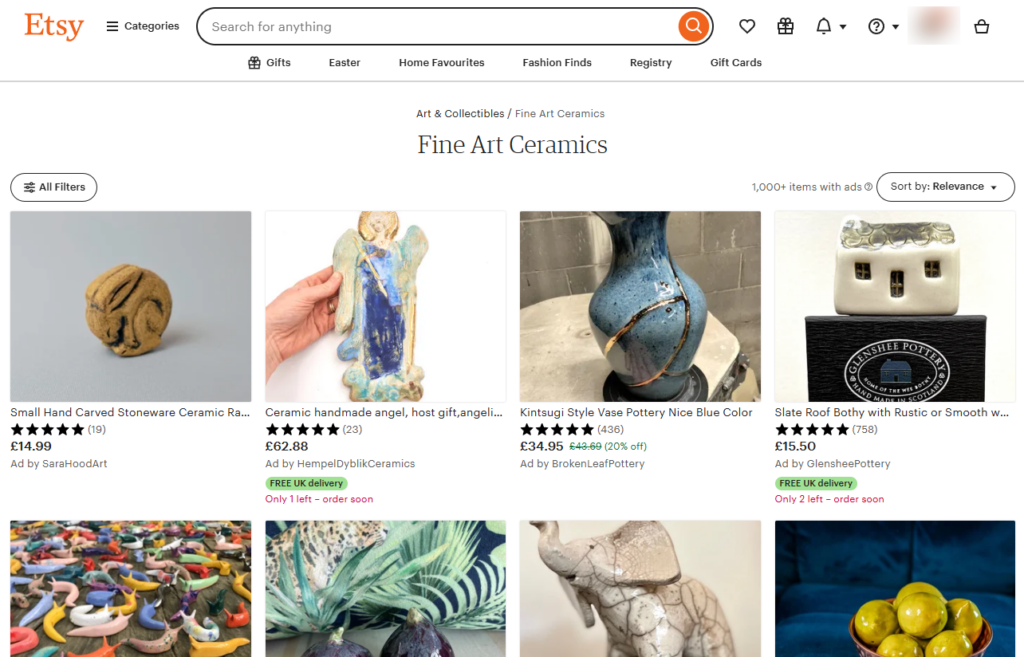
However, marketplaces come with challenges:
They are open to all kinds of sellers and not just artists alone. This means they attract a general audience who are looking for various products.
This leads to two key challenges:
- More competition. Your art will be listed alongside many other products, making it harder to stand out.
- Many shoppers on these platforms look for the best price deals. Selling original artwork at high prices is hard.
Different art-specific platforms are a better choice if you want a more art-focused audience.
Art-specific sales platforms
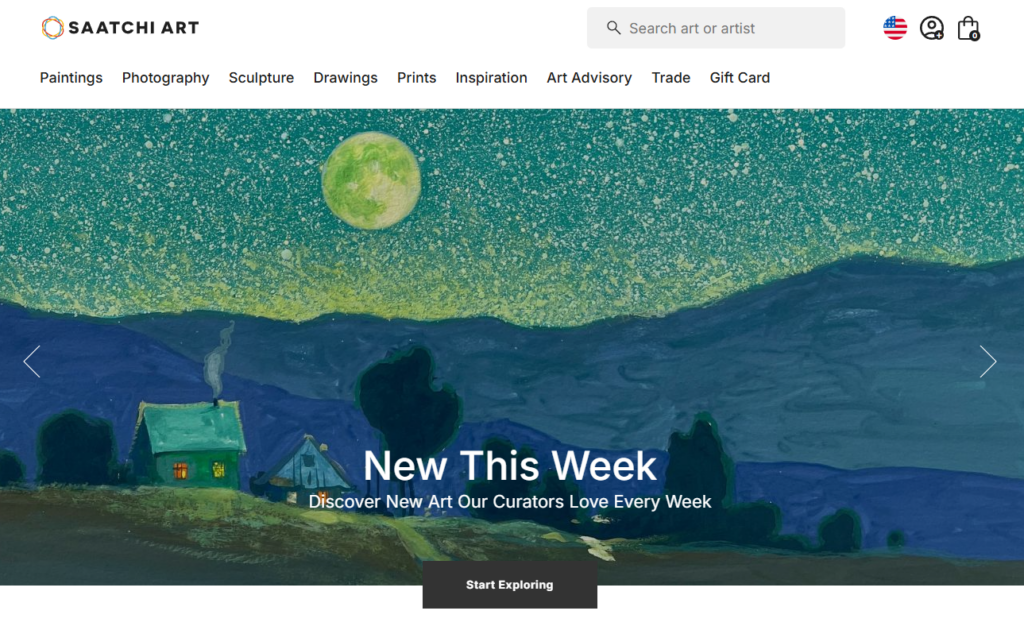
Art-specific sales platforms or art markets are online galleries and marketplaces designed exclusively for artists and collectors. These include Saatchi Art, Artfinder, Redbubble, Society6, Fine Art America, and Artpal.
Unlike general marketplaces, these platforms focus only on the art world, so you’re connecting with serious art buyers.
Some platforms also promote featured artists, trending artwork, or curated collections. Paying for a featured spot can boost your visibility.
What are the challenges?
While there are no random products like on Etsy or eBay, you’ll still be competing with thousands of other artists.
These art-specific platforms take high commissions per sale. This can be 15% to 30% depending on the platforms you register your business with. Generally, commissions can reduce your profits.
You don’t own customer data and have no direct relationship with your customers. You will also be selling under the platform’s name. This can make it hard to build a unique brand identity or develop a lasting relationship with your buyers.
Note: Art galleries, on the other hand, charge 30 – 60% commissions.
If you want more control over branding and pricing, creating your own website is the best option.
Your own website
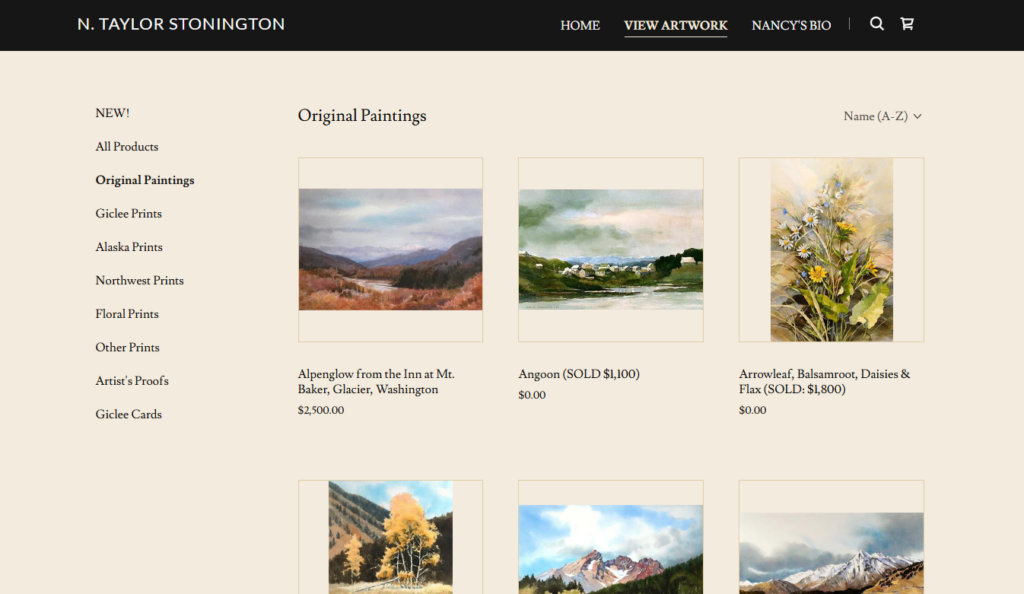
Some of the best ecommerce platforms you can use to build an online store are WooCommerce and Shopify.
Although Shopify is a user-friendly platform, it charges monthly subscription fees and transaction fees ranging from 0.6% to 2% per sale. The fees vary based on the pricing plan you choose.
We recommend WooCommerce because it is one of the top free ecommerce platforms. It powers approximately 38.74% of all online stores on WordPress, a popular CMS (content management system).

Why WooCommerce is the best choice
WooCommerce is free to use and doesn’t charge transaction fees. Instead, you only cover costs for hosting and additional plugins, which can be more cost-effective in the long run.
For example, WooCommerce lets you build a fully customizable art store that reflects your brand. You’ll have complete control over design, branding, and the customer experience, free from the limitations of marketplace rules.

Where WooCommerce plugins come in
Iconic plugins like WooCommerce Attribute Swatches and WooThumbs let you make your store more straightforward and attractive. They also help customers browse, select products, and check out faster, which can increase sales.
With WooCommerce, you own your customer data. This enables you to offer excellent customer service, build loyalty, and start targeted marketing strategies.
After deciding on the sales platform where you’ll list your products, like WooCommerce, it’s time to start thinking about your art prices.
4. Decide on your pricing
Pricing your art isn’t always straightforward. Even seasoned artists revisit their strategies over time.
Having a clear pricing framework helps you avoid second-guessing and makes it easier for buyers to understand what they’re investing in.
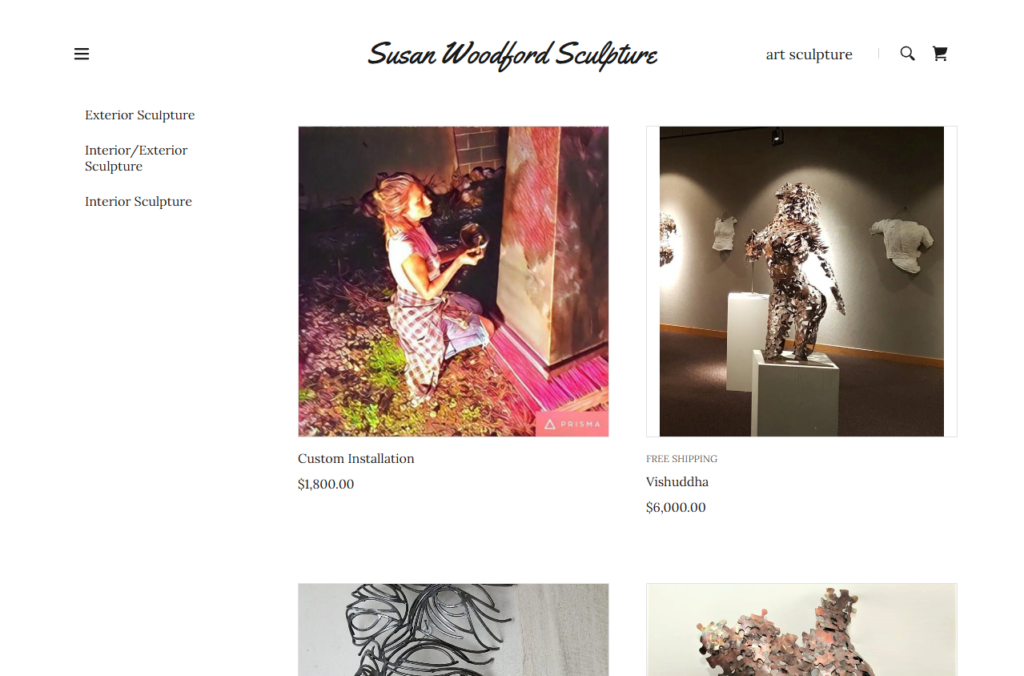
Factors to consider:
Here are a few key factors to consider:
- Cost of materials. Start with the basics: canvas, paint, framing, packaging, anything that goes into creating and delivering the piece.
- Skill and experience. Your pricing can reflect your journey as an artist. If you’ve built recognition, sold consistently, or exhibited work, you may be in a different bracket than someone just starting out, and that’s okay.
- Market research. Look at what artists with a similar style, medium, or audience are charging. Are there common price ranges or trends you can learn from?
- Target market and location. Pricing may vary depending on whether you’re selling directly, through galleries, or at fairs and whether you’re reaching local buyers or a global audience.
- Platform fees and shipping. If you’re using marketplaces or selling internationally, remember to factor in their fees, commissions, and delivery costs.
Once you’ve got a sense of those pieces, here are a few common pricing approaches you can explore:
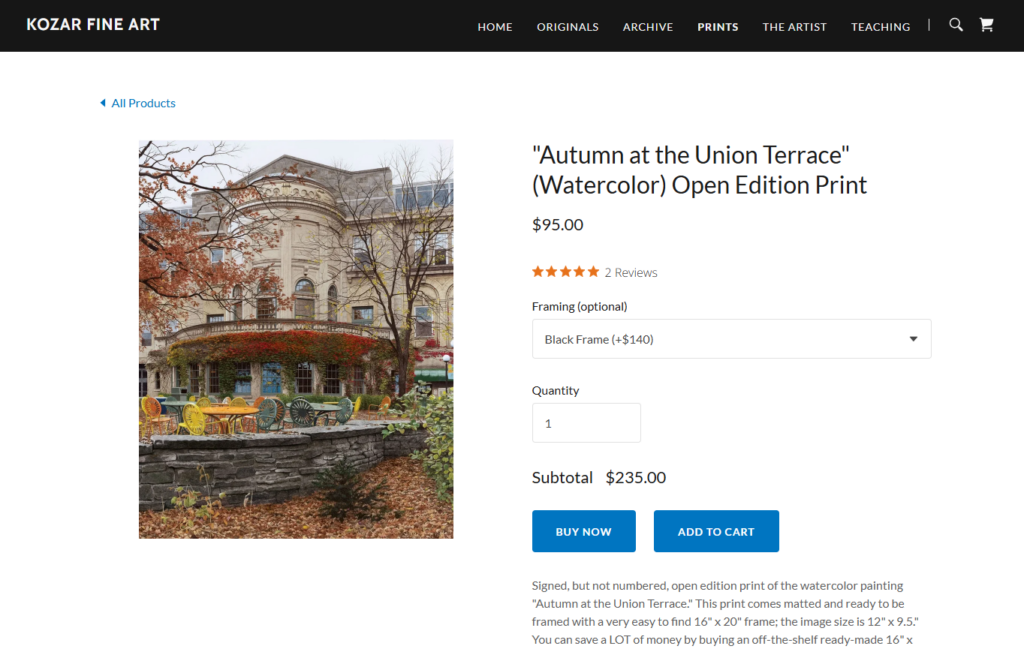
How to calculate the art selling prices:
This formula ensures all your expenses are covered and includes a profit margin.Final Price = (Materials + Marketing + Selling Fees + Other Expenses) + Markup
Example:
- Materials (canvas, paint, frame): £40
- Marketing (ad spend, promo materials): £15
- Selling fees (Etsy listing, Stripe fees, shipping materials): £10
- Other expenses (studio space, utilities): £10
- Markup: 2× total cost
Final price: (40 + 15 + 10 + 10) = £75 → £75 × 2 = £150
It’s a great baseline, though it may not always capture the full value of your work, especially if demand is strong or your style is highly sought after.
Value-based pricing formula:
This approach focuses on the perceived value of your work from the buyer’s perspective.Final Price = Perceived Value + Demand + Artist’s Reputation
Here’s how to roughly estimate:
- Perceived value: What similar pieces sell for. Look at artists with comparable styles, mediums, and audiences. If comparable work sells for £300–£500, you’re likely in that range too.
- Demand: Estimate based on engagement and sales.
- Low demand → +£0–50
- Moderate demand (consistent engagement/inquiries) → +£50–150
- High demand (waitlists, sold-out drops) → +£150–300+
- Reputation: Reflects your recognition level.
- Emerging artist → +£0–100
- Established locally (exhibitions, press) → +£100–300
- Established nationally/internationally → +£300–1000+
Example:
- Perceived value: £400
- Moderate demand: +£100
- Local reputation (exhibited, growing following): +£150
Final price:£400 + £100 + £150 = £650
Note: You can round or adjust to keep pricing clean – e.g., £649 or £695.
It takes into account emotional connection, uniqueness, and your artistic identity, especially relevant for collectors or one-of-a-kind pieces.
Per-hour pricing formula:
Ideal for commissions or time-intensive projects, this method helps you earn fairly for your time.Final Price = (Hourly Rate × Hours Spent) + Material Costs + Other Expenses
How to choose an hourly rate:
Use this tier as a general guide:
- Beginner: £20–£30/hour
- Mid-career: £30–£60/hour
- Established: £60–£100+/hour
Example:
- 10 hours of work × £40/hour = £400
- Materials: £30
- Other expenses: £20
Final price:£400 + £30 + £20 = £450
Tip: You can also blend methods. For example, use a per-hour base, then check value-based pricing to see if the demand justifies a higher final price.
Whichever method you use, your pricing doesn’t need to be perfect from day one. It’s something you can adjust as your audience grows, your work evolves, or new opportunities arise.
If you’re unsure, connecting with a gallery, curator, or artist mentor can be helpful. They can provide insight into market expectations and help you set prices that reflect both your work and your goals.
5. Photograph and present your art
For most buyers, your online presence is their first experience of your work, so the way you photograph and present your art can make a huge difference. Strong visuals communicate quality, detail, and emotional impact.
In fact, 93% of buyers look at product images first before deciding to purchase.
Even the most powerful artwork can fall flat with poor lighting or awkward angles. But with a bit of intention, you can create images that do your work justice and help it stand out in a busy digital space.
The following are critical tips to photograph your art well:
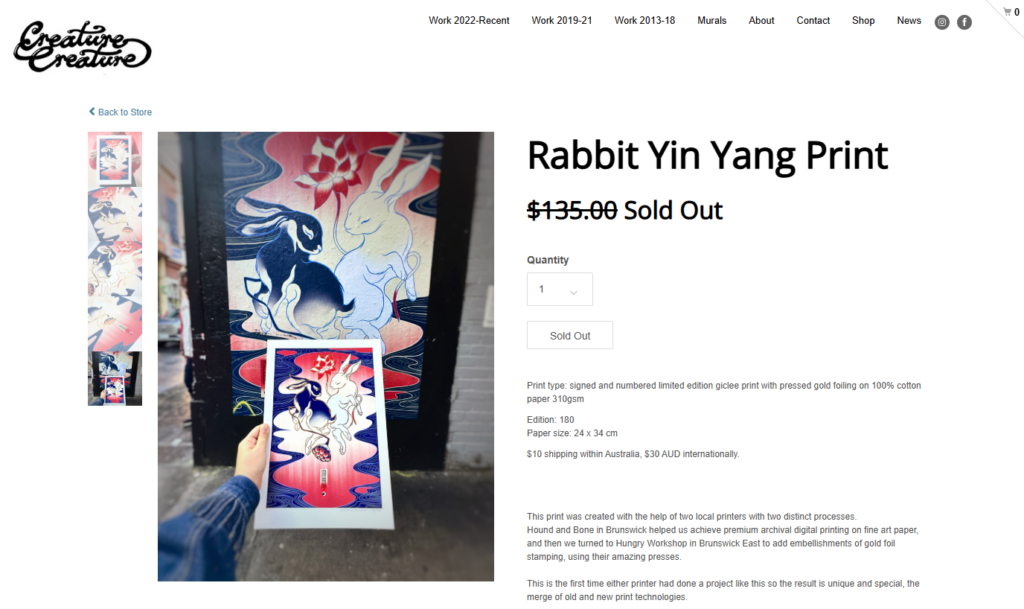
Tips for photographing your art:
You don’t need a full studio setup to photograph your art effectively, but a few simple tweaks can go a long way.
- Choose a clean, neutral background. If you’re photographing a painting, for example, hanging it on a plain wall (grey, white, or beige) helps the colors stay true and the focus stay on your work. Avoid bright colors or patterns that could compete with your piece.
- Use natural light where possible. It’s soft, balanced, and helps maintain accurate color. Position your art near a window (ideally during daylight hours but out of direct sunlight), and avoid overhead or yellow lighting, which can distort tones.
- Capture multiple angles. Include a straight-on shot as your main image, but also photograph close-ups, side views, or the depth of the canvas or frame. These extra shots help buyers get a feel for texture, materials, and scale.
- Highlight detail. Take close-ups of brushwork, texture, or any elements that make your piece unique. This is especially useful for original works or handmade pieces where texture plays a big role.
- Use the right tools. If you have access to a DSLR or mirrorless camera, use it. These give you better control over white balance, ISO, and aperture (F-stop). But don’t worry if you’re working with a smartphone, you can still capture high-quality images with good lighting and a steady hand (or tripod).
6. Market your art
Let’s be honest. Most artists didn’t get into this to become marketing experts. But even the most beautiful work needs a little visibility to find the right buyers. The good news? You don’t have to do everything, and you don’t have to do it all at once.
Marketing your art online is really just about helping people discover you, feel connected to your work, and understand how to buy it. You can do that in a way that suits your style, your energy, and your goals.
Here are some gentle, practical ways to get started:
Marketing strategies:
Here are the best, top-performing marketing strategies you can use:
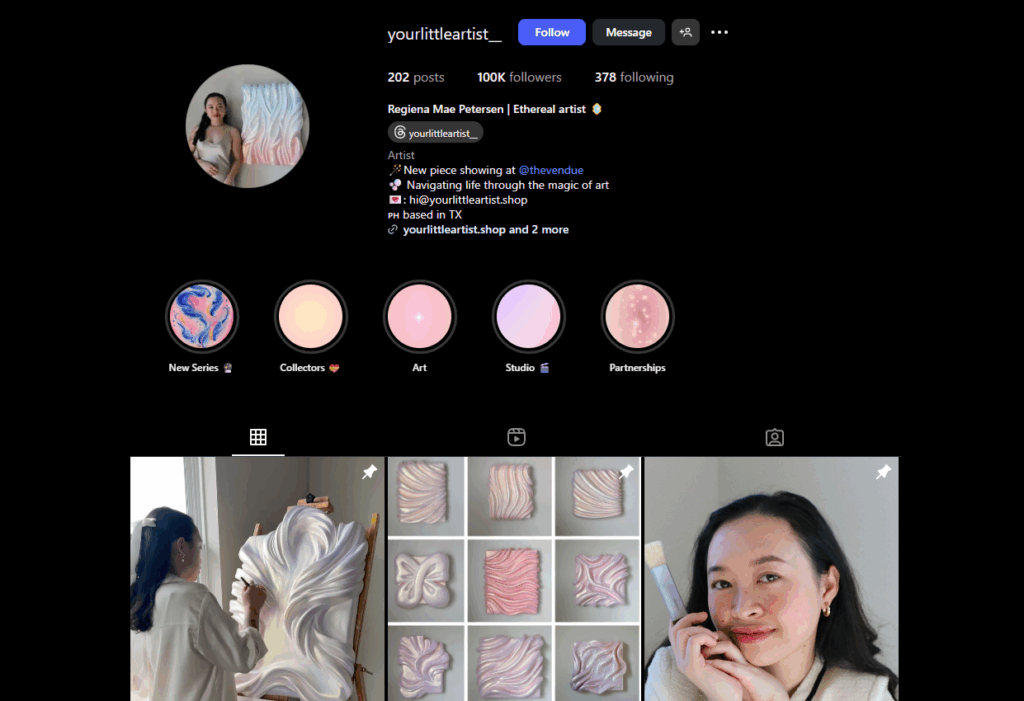
Social media marketing (pick one or two platforms you actually like)
You don’t need to be everywhere. Focus on the social media platforms where your art fits naturally and where you already enjoy spending time. Instagram, Pinterest, and TikTok are popular for visual content, but YouTube or even LinkedIn can work, depending on your audience.
Here are a few low-effort content ideas:
- Share a time-lapse or behind-the-scenes snap of your creative process.
- Post close-up details of a finished piece and talk about what inspired it.
- Show your studio space, even if it’s your kitchen table.
- Use Stories or Reels to share what you’re working on that week.
- Try a carousel post comparing a sketch and final piece.
Quick tip: Set a timer for 30 minutes once a week to schedule a few posts ahead using a free tool like Buffer or Later. Then, you can stop thinking about it for a few days.
Email marketing (yes, even if your list is small)
You don’t need a huge audience to make email worth it. Just a small group of people who genuinely care about your art. These are often the people most likely to support your work long-term.
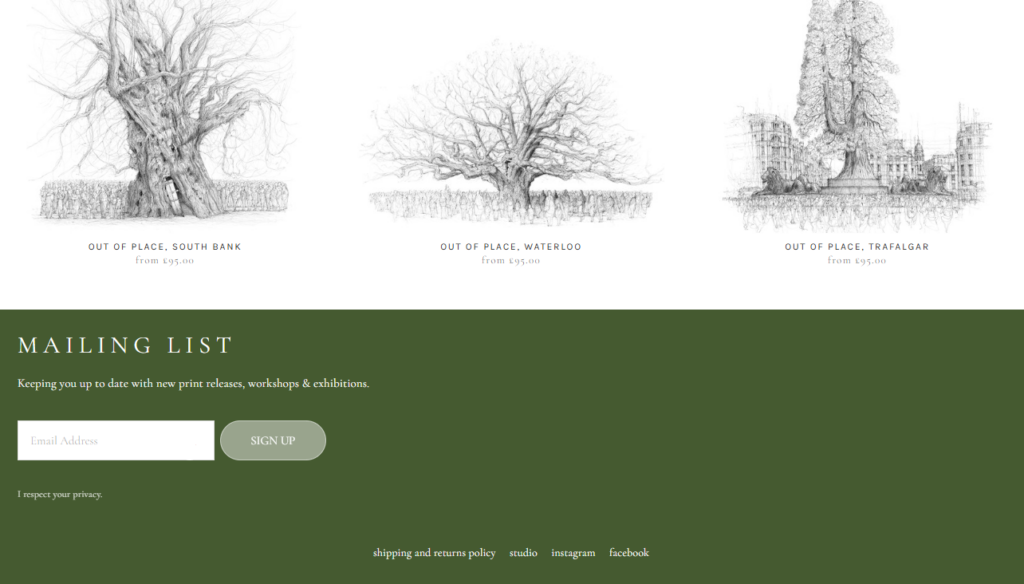
Easy ways to build your list:
- Add a simple sign-up form to your website (with a ‘new collection sneak peeks’ or ‘early access to originals’ message).
- Offer something like a downloadable art phone wallpaper or desktop background in exchange for an email. This is just an example, pick something that relates to your unique work.
- Share your signup link on social media with a short, friendly invite.
What emails you could send:
- New work (with a direct link to buy).
- Process photos or stories behind a piece.
- Early access to limited drops or commission slots.
- Subscriber-only discounts.
Quick tip: Start with just one email a month. Set a reminder, write it like you’re talking to a friend, and hit send.
Collaborations and creative partnerships
You don’t have to grow your audience alone. Collaborating with someone who shares your values, or speaks to your ideal customers, can introduce your work to a new group of people without needing a big campaign.
Ideas to try:
- Partner with another artist for a joint launch or giveaway.
- Collaborate with a small brand, maker, or interior designer to style your art in real-world spaces.
- Reach out to content creators who align with your niche (e.g., sustainability, nature, bold colors, etc.) and offer a free print in exchange for a shoutout or styled photo.
Quick tip: Think small and genuine. A local cafe, a niche blogger, or another creative you already admire might be your best partner.
Paid ads (only if you’re ready)
If you’ve already made a few sales and want to scale up, targeted ads can help you reach people who’d love your work but don’t know you yet. You don’t need a big budget. £20–50 can go a long way if you start with one artwork or one collection.
However, don’t opt for this as a quick fix. You need to make sure you have the right audience in mind and know that your work is ready.
Best platforms: Instagram, Facebook, Pinterest.
Quick tip: Promote your best-performing post first – that’s often your strongest hook.
Search visibility (for people already looking for art like yours)
People are searching for art online every day. Art for their living room, abstract coastal paintings, minimalist black-and-white drawings. If your product pages and listings include those kinds of keywords, they’re more likely to find you.
Where to start:
- On your website or Etsy listings, describe your work clearly: “hand-painted floral watercolour print,” “bold acrylic abstract on canvas,” etc.
- Use tools like Google Search Console (free) or Etsy’s analytics to find search terms people are already using.
- Add keywords to product titles, descriptions, and even image alt tags.
Quick tip: Just aim to describe your work like a buyer would search for it. No need to overthink it for now.
You don’t need to master every strategy. Just start with one or two that feel doable and build from there.
7. Set up payment and shipping
Once someone’s ready to buy your art, the last thing you want is to lose the sale because the checkout process is confusing or the shipping details feel uncertain. A smooth, secure experience helps buyers feel confident and gives your work the professional presentation it deserves.
Here’s how to make the process as simple and stress-free as possible (for both you and your buyers):
Make payments easy and flexible
The easier it is to pay, the more likely someone is to complete their purchase. Offer a few trusted, familiar payment methods so buyers can choose what works for them.
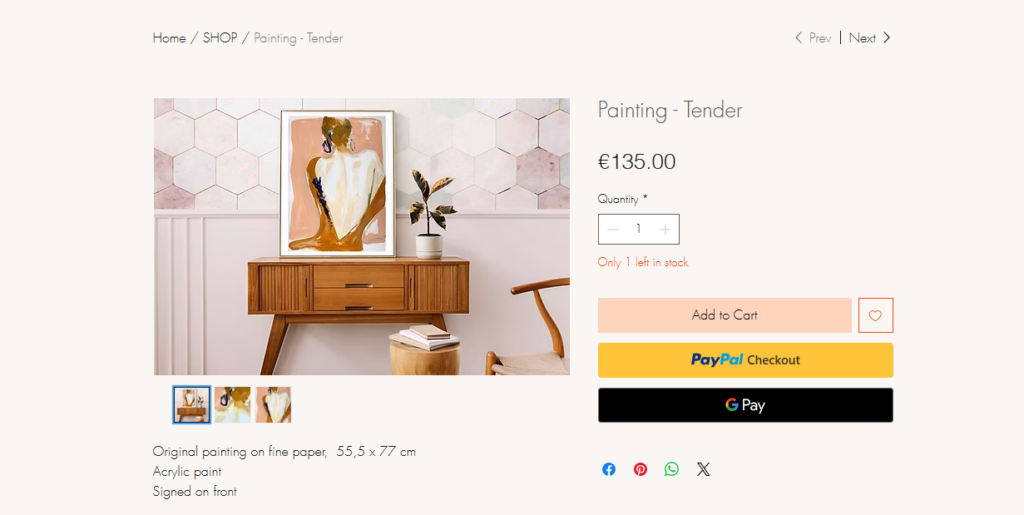
Popular options include:
- PayPal – Easy to set up, widely trusted, and offers buyer protection.
- Stripe – A reliable option for accepting credit/debit cards directly on your website.
- Credit/debit cards – Essential for most online shoppers.
- Bank transfer – Useful for high-value pieces or commissions, especially with collectors.
Quick tip: If you’re using platforms like Etsy or WooCommerce, these systems are often built-in.
Plan your shipping and packaging carefully
Shipping can feel intimidating at first, but with the right setup, it’s totally manageable. The key is to be clear, protective, and proactive.
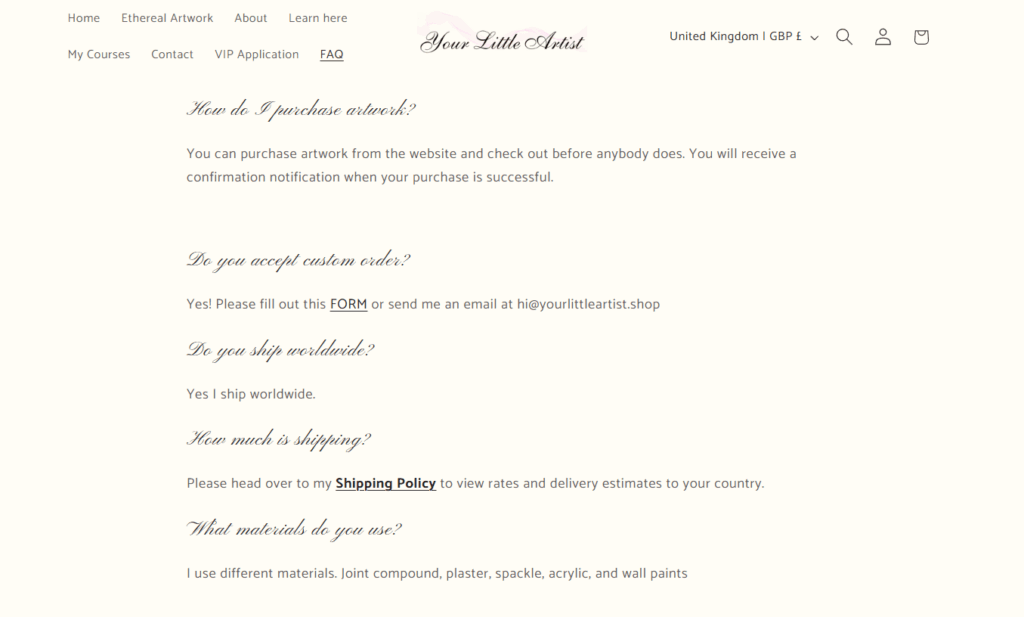
Shipping options:
- Tracked and insured shipping gives both you and the buyer peace of mind.
- For smaller works and prints (US-based): USPS Priority Mail includes tracking + up to $100 insurance.
- For larger or valuable pieces: Consider UPS, FedEx, or DHL (for international orders). They offer higher insurance limits and faster service.
Quick tip: Always list shipping costs clearly on your product pages or checkout. Hidden fees are one of the biggest reasons people abandon their cart.
How to pack your art like a pro
Art is delicate, and the right packaging protects your work and reputation.
Here’s what works:
- Prints: Use rigid mailers for flat prints or sturdy tubes for larger posters. Add a plastic sleeve for extra moisture protection.
- Framed/canvas pieces: Wrap in acid-free paper and bubble wrap, then pack in a snug-fitting box. Double-boxing adds extra safety.
- High-value or oversized works: Consider a custom crate, especially for gallery-level pieces or international shipping.
Quick tip: Include a thank-you note or care instructions in the package. Small touches make a big impact and encourage repeat customers.
Setting this up might feel like a lot at first, but once your payment options and shipping process are in place, they’ll run quietly in the background so you can focus on creating.
Bonus: Tools to help you sell art online more easily
By now, you’ve got a strong foundation for selling your art online. You’ve chosen what to sell, figured out pricing, and made sure your photos and presentation look great.
If you’re building your store with WooCommerce (which gives you full ownership over your sales, audience, and branding), you can take things one step further with a couple of helpful plugins made especially for shops like yours.
WooCommerce Attribute Swatches
Let buyers pick formats, frames, and sizes with ease with WooCommerce Attribute Swatches.
Suppose you offer art in different variations, like prints vs. canvases, multiple frame colors, or a choice of sizes. In that case, this plugin helps you display those options in a visual, intuitive way.
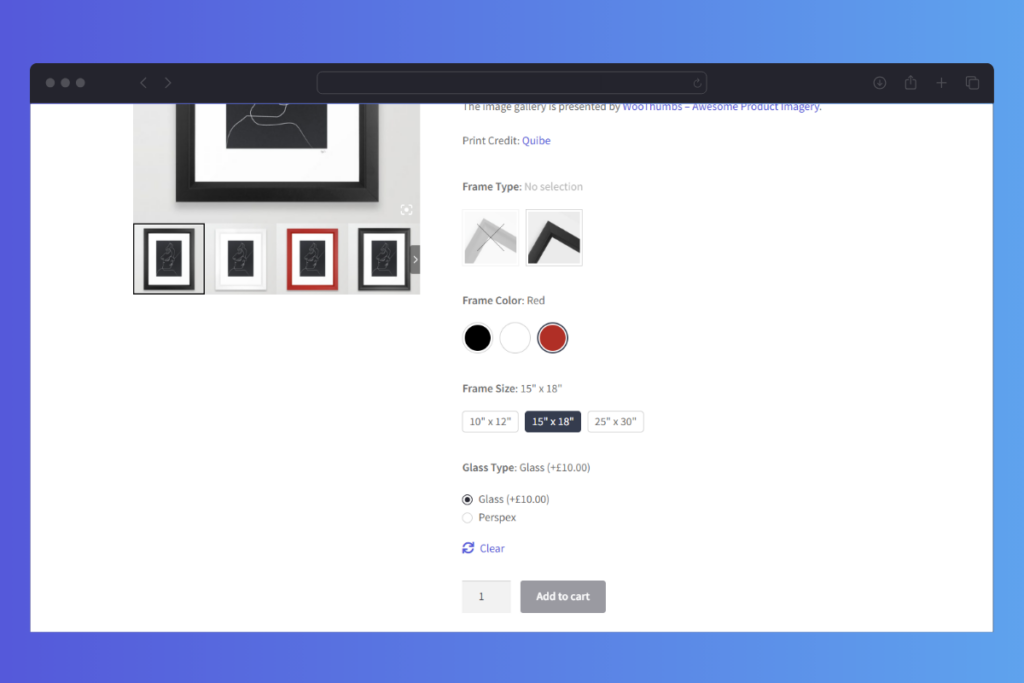
Instead of dropdown menus (which can feel clunky), you can use:
- Color swatches for frame options (black, white, gold).
- Image swatches for product types (canvas print, acrylic, poster).
- Text buttons for sizes (A4, A3, poster size).
It’s clean, easy to click, and helps buyers feel more confident that they’ve chosen the right option—especially when they’re making a visual purchase.
WooCommerce Attribute Swatches
Replace the default WooCommerce variation dropdown menu with variation swatches for WooCommerce. Add color swatches, image swatches, and modern text buttons to your variable product pages.
WooThumbs for WooCommerce
Show your artwork from every angle and help buyers fall in love with it.
You’ve already taken beautiful photos of your art, now let them shine. WooThumbs replaces WooCommerce’s default product gallery with something more dynamic and modern.
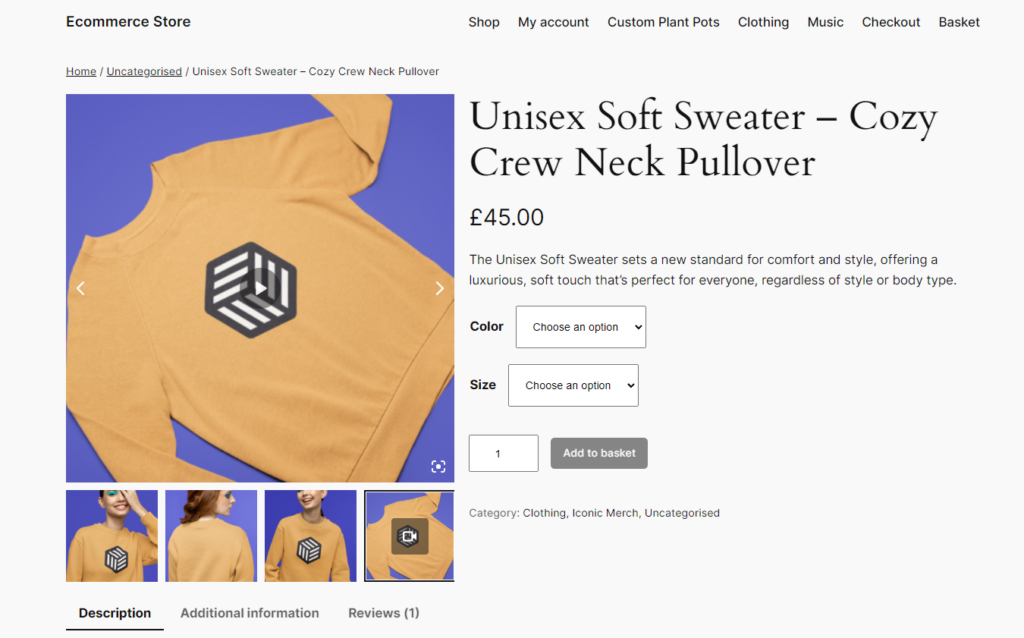
You can:
- Show multiple images per variation (e.g., close-ups and side angles of the framed version vs. the print).
- Add video previews of your art in real-life settings or your studio.
- Enable zoom so customers can explore textures, brushstrokes, and details up close.
All of this helps buyers feel more connected to your work—like they’re seeing it in person, not just on a screen.
WooThumbs for WooCommerce
Customize your WooCommerce product image gallery in minutes with a new layout, embedded video, multiple images per variation, and more.
Why these tools matter for artists
Selling art is personal. These plugins make sure your shop reflects that. From how your work is shown to how easy it is to buy.
Here’s how they help:
- Better product presentation. Your store looks professional, clean, and easy to navigate, no messy dropdowns or confusing layouts.
- Customization that fits your style. Both plugins let you adjust layouts, swatch shapes, thumbnail spacing, and more, so your store matches your brand and your artwork.
- A smoother buying experience. When shoppers can clearly see what they’re choosing and explore every detail, they’re more likely to click “buy”, and come back again.
- Builds trust. Multiple angles, zoomed-in textures, and easy options build confidence and credibility. Your store feels trustworthy, which matters a lot when people are spending money on something meaningful.
- Boosts sales. 87% of buyers say a good online experience makes them more likely to buy again. These tools help you offer that experience from the very first click.
Sell art online today
Selling your art online doesn’t have to feel overwhelming. With a bit of planning and the right tools, you can build a store that reflects your creativity, and makes it easy for people to buy what you’ve worked so hard to create.
In this guide, we’ve covered everything you need to get started:
- Choosing the right formats to sell (originals, prints, commissions, and more).
- Defining your style and audience in a way that helps your work connect.
- Pricing your art confidently with real numbers, not guesswork.
- Photographing and presenting your work beautifully.
- Marketing your art without burning out.
- Setting up smooth payment, shipping, and packaging systems.
And when you’re ready to build your store, WooCommerce gives you full control over your brand, customer experience, and long-term growth.
Combine that with powerful plugins like:
- WooCommerce Attribute Swatches – to make choosing sizes, formats, and frames a breeze.
- WooThumbs for WooCommerce – to let buyers explore your artwork in full detail and fall in love with it before they even click “buy.”
You don’t need to be a tech expert or marketing guru to make it happen. You just need the right support and the courage to take that first step.
Your art deserves to be seen, appreciated, and collected. Let’s get it out into the world.

Gina Lucia is our in-house Content Manager at Orderable. She writes articles, user guides, technical documentation, and creates videos on everything WooCommerce and Orderable.
Gina has been working in the WordPress/WooCommerce space since 2012 when she developed WordPress websites for clients large and small.
For the past 8 years, she’s been writing about everything WordPress and WooCommerce, becoming an expert in what makes a WooCommerce store succeed.
When not writing, Gina loves to tend to her vegetable garden, read, or travel to mainland Europe.