
Are you struggling to develop new product ideas for your ecommerce store? This guide is here to help.
Finding new product ideas that sell can feel daunting, and there are so many reasons behind this. From having so much competition in ecommerce and wrong timing to the risk of your idea being impractical, just to mention a few.
In this guide, we want to make it simple by walking you through the entire process.
We’ll cover what you need to do to:
- Come up with viable product ideas.
- Validate these ideas to ensure they don’t miss the mark.
- Ensure they’re practical.
- Launch and promote your product ideas.
By the end, you’ll have a sustainable way of coming up with new product ideas to launch your new ecommerce business or expand an existing one.
Straightaway, here is a step-by-step process on how to come up with great product ideas for your ecommerce store.
How to come up with great product ideas for your ecommerce store
Even for experienced store owners, coming up with your next great product idea can be tough. You’ve already built something that works. But figuring out what to launch next (and whether it’s worth it) takes more than spotting a gap and going with your gut.
With tens of thousands of new products launched yearly, and most of them falling flat, it’s clear that success isn’t just about the idea itself. It’s about how you develop it.
In this guide, we’ll walk through a practical approach to product ideation. From using market research tools to tapping into customer insights and testing before you launch, we’ll show you how to go from a vague idea to a validated product. With less guesswork along the way.
Let’s start with a few ways to uncover product opportunities that actually make sense for your store and audience.
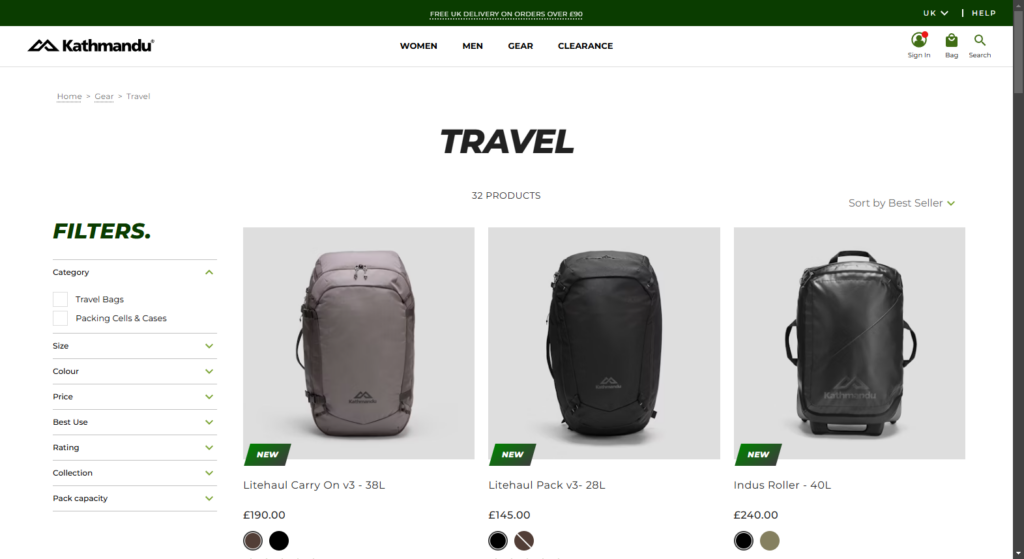
1. Understand your customers and market
Great product ideas don’t usually come out of nowhere. They’re built by listening to the people already engaging with your brand. If you’re looking for your next bestseller, your current audience might be handing it to you already.
Whether it’s hidden in support tickets, mentioned in passing on social media, or buried in a review, customer feedback can highlight unmet needs, frustrations, or wishlist features worth exploring.
Here are a few simple but effective ways to turn that insight into product opportunities:
Listen to your customers
According to research, consumer goods have a 49% failure rate.
But don’t let these numbers intimidate you. If you can understand your target consumer’s needs, there’s no reason why your product should fail.
Read customer reviews and comments
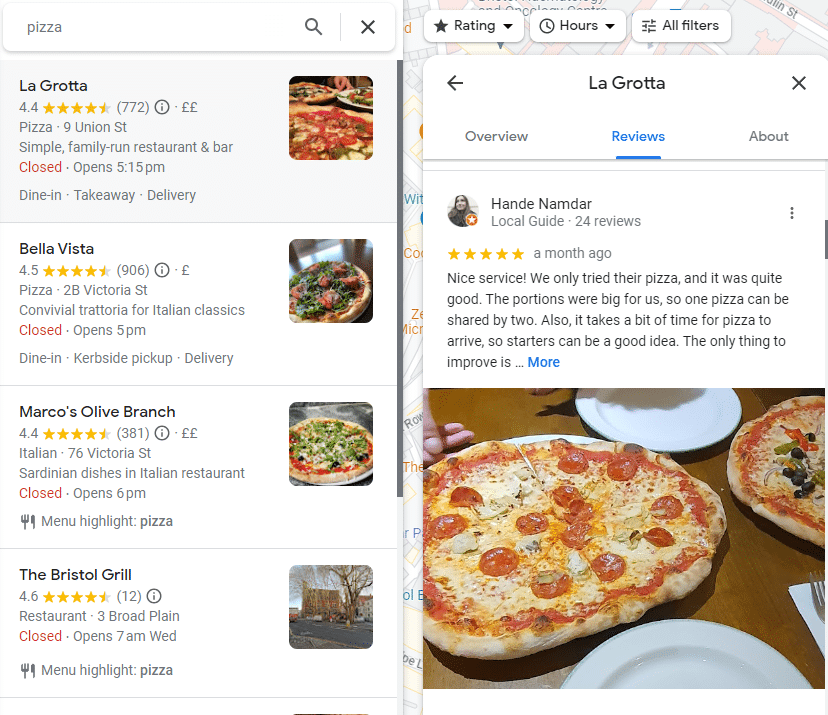
Customer reviews and comments are a goldmine for product ideas because this is where you get real, unfiltered feedback from actual users.
From this feedback, you can:
- Discover pain points. Assuming you’re a startup selling blenders, you might see a comment like ‘The blender works, but cleaning it is such a hassle’. This can inspire you to start selling a blender that is easier to disassemble.
- Spot a gap you can exploit. Sometimes, customers will explicitly mention something they wish a product had but doesn’t. For instance, an app that isn’t available offline. This mention in itself sheds light on an untapped opportunity for you.
The best product ideas aim to solve a problem consumers have. Reading customer feedback will help you to identify these problems.
Analyze customer support tickets
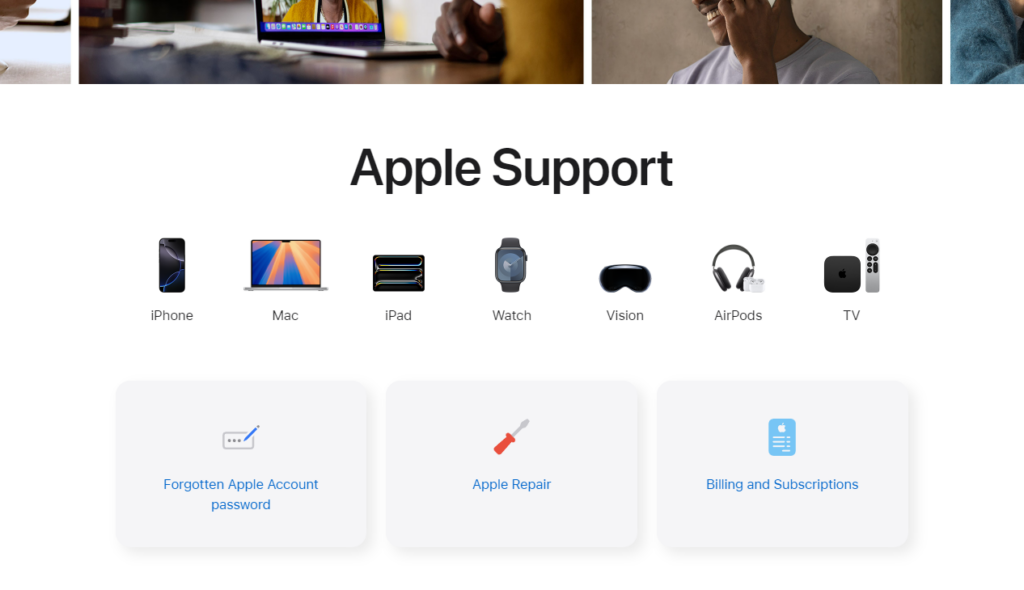
While customers may not disclose their pain points in a reviews or comments section, they will surely do so in customer support tickets. So this is the next best place to discover problems your product idea can solve.
You can find out what customers complain about in your product from these support tickets. Is it the type of material, the quality, or the difficulty in use? By simply solving this, you have a new product idea.
Ask directly
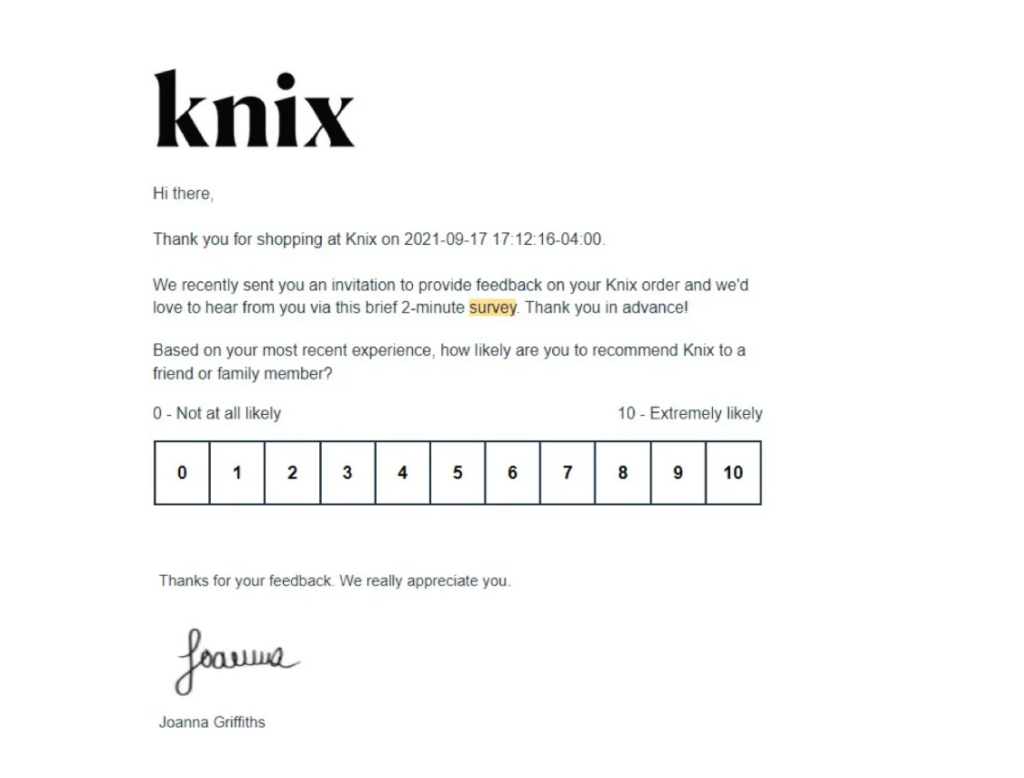
Instead of scouring through your customer service tickets, reviews, and comments, you can explicitly ask customers for feedback through:
Surveys
The key here is to ask the right questions. By this, we mean you should mix them up – don’t just limit yourself to problem-focused questions to discover pain points.
You can also include:
- Wishlist questions. For example, ‘If you could design the perfect [product/service], what features would it have?’. This gives you insights into what customers want but aren’t getting from current products.
- Buying decision questions. This is very important because you want your product idea to sell. So, ask something along the lines of ‘What motivates you to try a new product?’
To encourage creative feedback, include open-ended questions in your surveys. Tools like SurveyMonkey and Typeform will help you collect this information.
Social media polls
This is a powerful tool if you have 2 – 3 product ideas but are struggling to select which one of them would be successful. You can create a poll on Instagram or X (formerly Twitter) asking people to vote on these ideas.

Check your data
Look at your bestsellers and ask: Why is this doing well? Is it the size, the material, the problem it solves, or the audience it attracts? Could you expand the line with new variations or complementary products?
Example:
- Top-selling water bottle? Consider offering matching accessories, alternative colors, or a premium version with new features.
If you’re not already using Google Analytics 4, now’s the time. It gives you deeper insights into what people view, abandon, and return to, clues that can inform your next product direction.
2. Find inspiration
Ideas can come from many places. Limiting yourself to your data and customer feedback will only get you so far. So we’ve put together a list of 5 places you can go to find product ideas.
Social media platforms and social curation sites
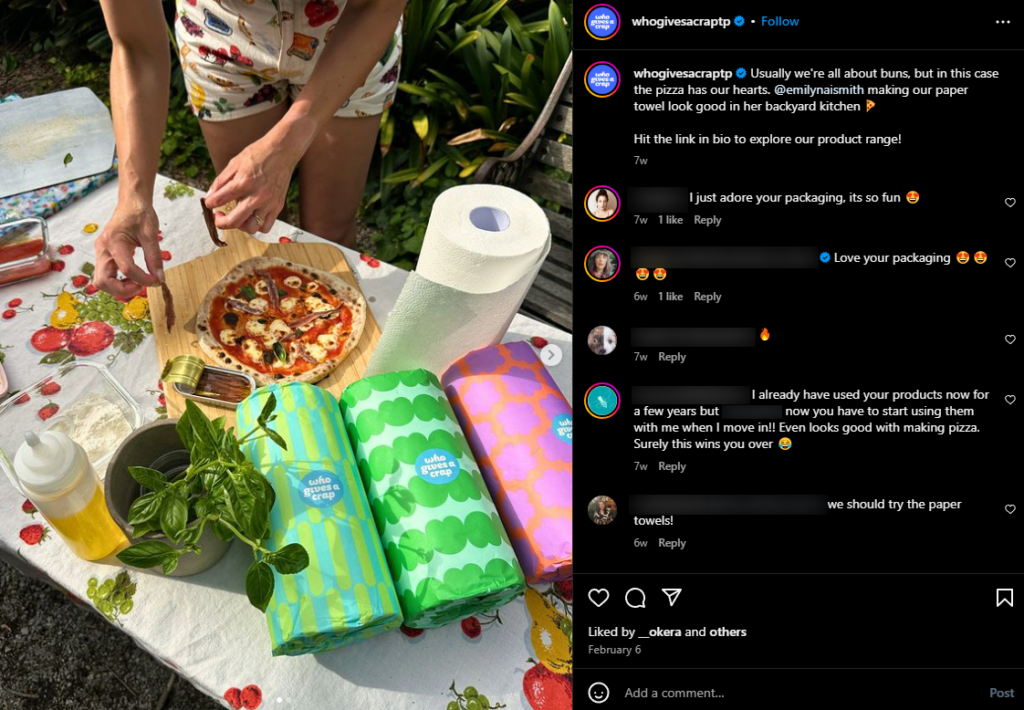
Social media platforms like Instagram and TikTok are great places to discover trending products that are new to the market. By performing a simple search, you’ll be able to see viral products and those expected to go viral in the next few weeks or months.
This would be perfect if you want dropshipping or any other ghost commerce to be your business model.
Apart from social media, you should also look into social curation sites like Pinterest. Did you know that Millennial women make up 70% of Pinterest users? So, if you want to sell things like home decor to this demographic, Pinterest is a great place to get product ideas.
Online marketplaces
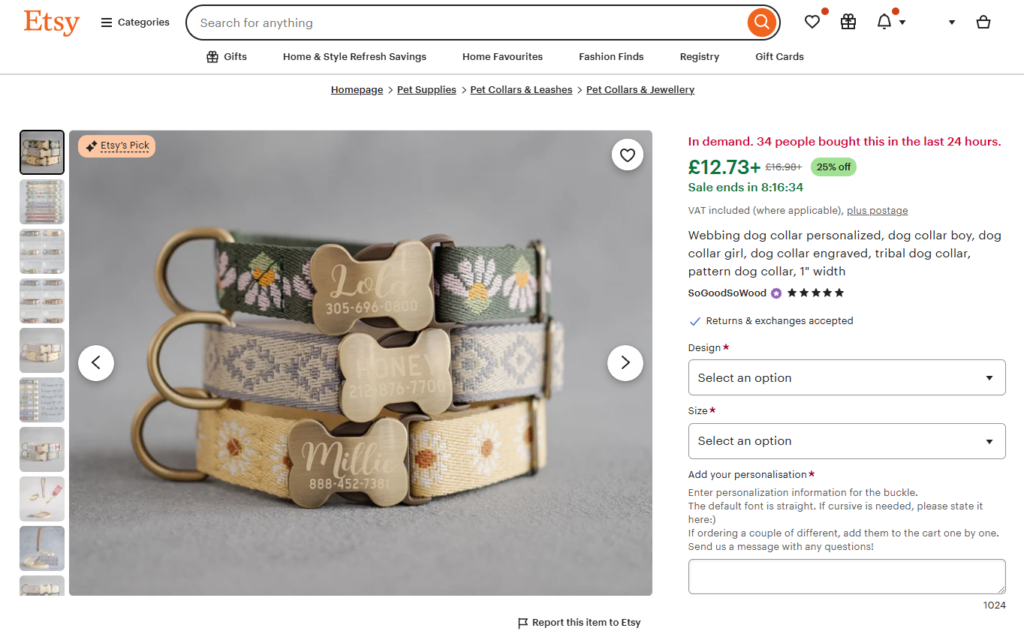
You can find your product ideas straight from the source. Marketplaces such as Amazon, Etsy, and AliExpress will expose you to thousands of product ideas. All you have to do is check out their best sellers or trending products.
You can filter this by niche and discover what’s popular in your industry.
It makes sense to start here because if you see something that you like, you can start selling it right away. Also, these marketplaces have hundreds of thousands of products, and there isn’t much that you can’t find.
Other marketplaces that you can check out include Wholesale Central, Tradekey, and Global Sources.
Competitor websites
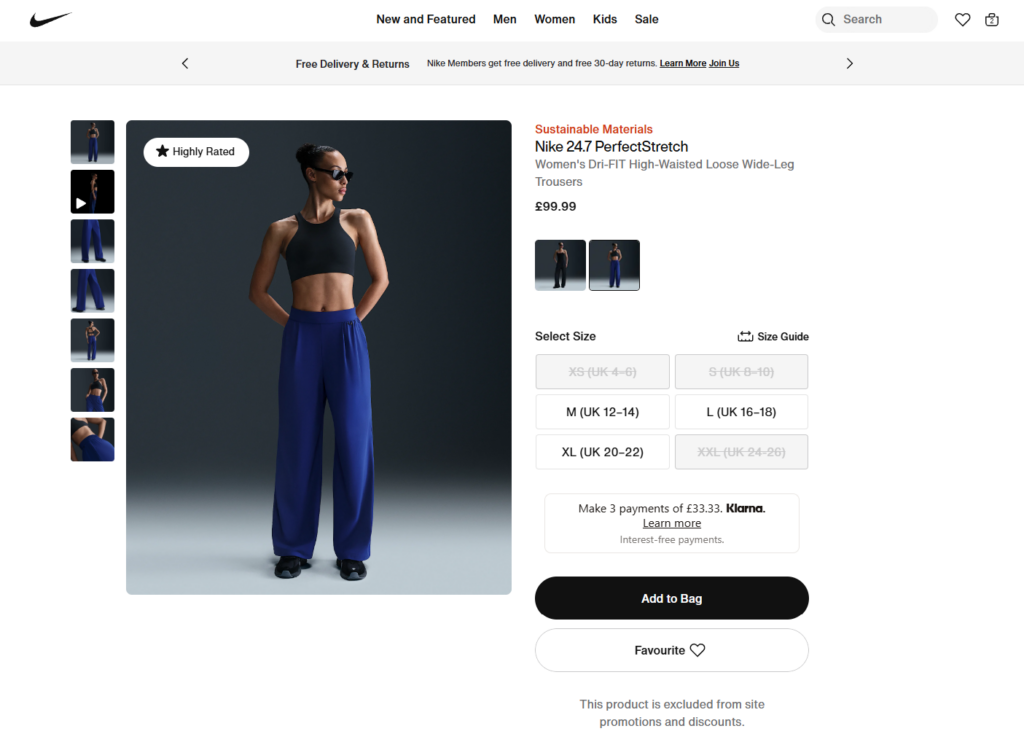
Your business idea doesn’t necessarily have to be new or deviate from your competitors. You can do something similar to your competitors and realize success with it.
Let’s look at a real-world example to affirm this. Website builder providers like Wix and Jimdo were some of the earliest sellers of AI-powered website builders.
Soon after, others, including GoDaddy, Brizy, etc., followed suit. What does this mean for you? Checking your competitors’ new releases and best-performing products can power your next product idea.
Customer communities
Next, you can join consumer communities and forums and see what people discuss products in your industry. Depending on your niche, there may be a form site out there for you.
Gaming, in particular, has a pretty active online community. You’ll find gamers engaging on platforms such as GameFAQs and NeoGAF.
Of course, this list would be incomplete without the forum of forums, Reddit. It boasts over 350 million weekly users and 100,000 active subreddits covering various topics. You can find yours here.
If you can’t find it, just type ‘[your industry] forum’ on Google to look for community forums in your niche.

Trend tracking tools
You should also keep an eye on trend-tracking tools because they’ll expose you to new products or industries you didn’t even know existed. These trend-tracking tools include online trend publications such as Google Trends and Trend Hunter.
We single out Trend Hunter because you’ll find information on trending products, advancements, product designs, etc. Trend Hunter is one of the largest trend communities, hosting over 380,000 users.
It allows you to filter trends by niche to make your search as specific as possible. Long story short, Trend Hunter is a great place to discover emerging trends and product ideas.
After collecting all the information relevant to your product idea search, it’s now time to brainstorm and create these ideas.
3. Brainstorm and create ideas
Many business owners struggle with developing viable product ideas because they often skip the first two steps and jump right into brainstorming. But after laying the groundwork in the first two steps, this third step of product development should be easier.
There are a few things you can do to brainstorm and create ideas. This includes:
Mind mapping
At this point, you use all the knowledge you’ve gathered so far and jot down the ideas coming from it. To make it a bit more structured, start with a central product concept and then branch out into related ideas.
Let’s say your skincare is your niche, and you’ve discovered that customers are shifting their preferences toward sustainability. You can start with a general idea revolving around sustainable products for skin care. Then, narrow down to product ideas such as zero-waste solid moisturizer bars or biodegradable face wipes.
Think about variations
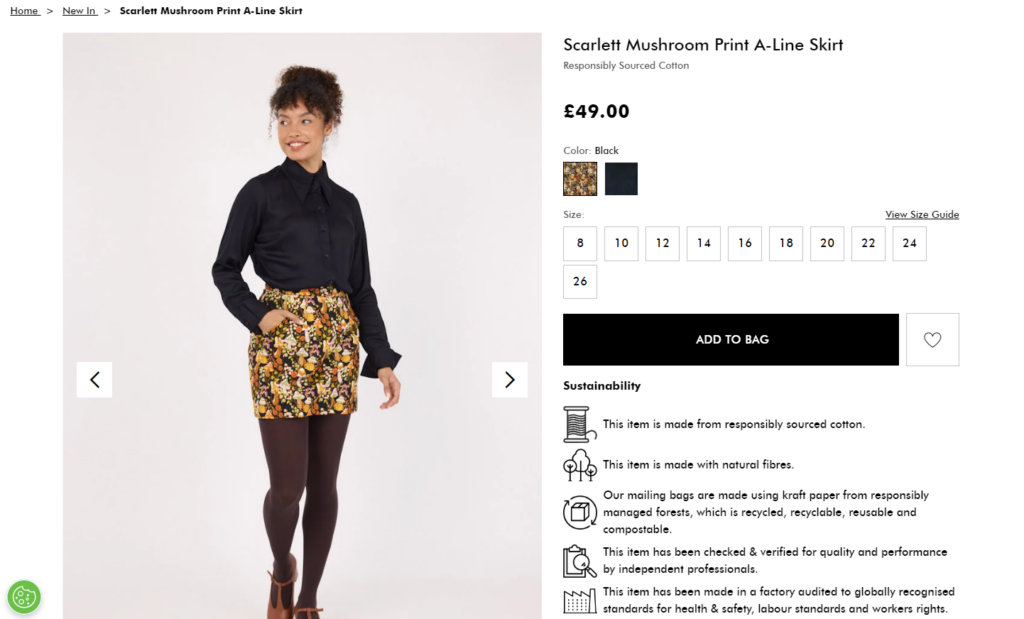
According to research, 70% of new products are variations or improvements of existing ones. So don’t get hung up on inventing something new.
Although creating a new, unique product can be fulfilling, most successful product ideas come from variations of existing products. A great example of this is the Dyson vacuum cleaners, which don’t lose suction as they get older.
Use the SCAMPER model to come up with different variations
The SCAMPER model is a simple acronym that can help you come up with different variations of your product idea.
It stands for:
- Substitute. What materials can you remove from the product, and can you use them elsewhere?
- Combine. What would happen if you combined one product with another to create something new? For instance, a digital product like Bluetooth earbuds was made by combining earbuds and Bluetooth technology.
- Adapt. How can you tweak a product for a better output? This is how improved product versions, like the Dyson vacuum cleaners, are developed.
- Modify. Are there features you can magnify to add more value?
- Put into another use. This is all about finding new ways to use a product beyond its original purpose. Like the way bubble wrap, which was initially designed as wallpaper, was repurposed for packaging.
- Eliminate. Remove unnecessary parts to simplify the product.
- Reverse. Change the sequence of steps for producing the product.
This model enables you to create variations of the product (different colors, sizes, and patterns) and the process of manufacturing it.

Bundle and upsell
After identifying your popular products, you can platform them better so that they get even more sales. Here’s how to do this.
You can combine related items into value packs. If you sell laptops, you don’t have to offer the cliché laptop bag, charger, and mouse. You can include a laptop power bank, noise-cancelling headphones, and a notebook to cater to customers who want better productivity.
Remember to keep your customers’ needs in mind when designing these value packs.
Customization and personalization
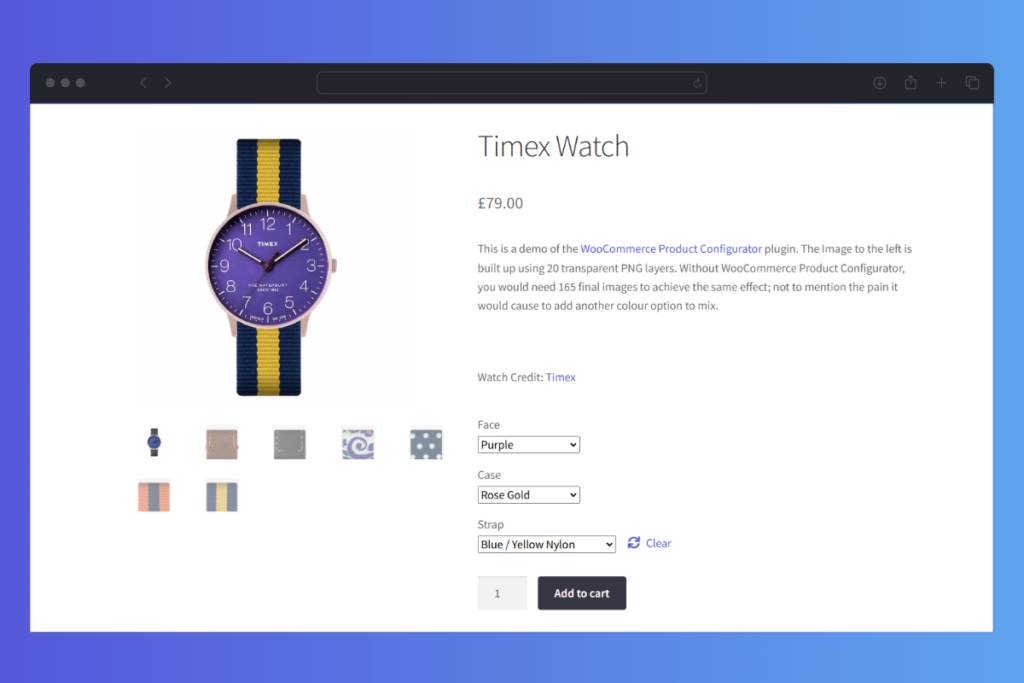
Your product idea can also come from allowing customers to personalize your products. This can work in your favor as 71% of customers expect personalized experiences.
How exactly can you deliver these personalized experiences?
- Allow customers to build products. For instance, a monthly subscription box where they can cherry-pick the items to included in their monthly supply.
- Offer engraving/printing services. If you sell jewelry, you can offer customers the option to engrave them with their names. This makes for great gifts.
- Offer different color choices. This is pretty straightforward – you allow customers to pick a color variation they want.
Ideation is often the toughest part of the product development process. You should take your time with this so that you develop a solid product idea. Once you do, you’ll need to first validate it before going to market.
4. Validate your ideas
The next step to bringing your product idea to life is to validate it. During this step, you dive back into research to ensure you’re creating products people will pay for.
You might feel super excited with your new idea and want to leapfrog immediately to production. But this could mess you up if you fail to validate the concept. Validation ensures you don’t waste your time, money, and effort on an idea that won’t sell.
You can validate your idea in several ways, such as the following.
Ask potential customers again
You can use social media polls to pitch your idea to potential customers and see if they’ll vote for or against it. You can ask, ‘If you had the option to buy product x with y features, would you do it?’
Then, include a simple ‘Yes/No’ poll for customers to vote. If they overwhelmingly vote ‘Yes’, you’ll confirm that you have a solid product idea. You can share email surveys with your contacts to get direct feedback if you have an email list.
Start a crowdfunding campaign
This is a great way to validate your idea because instead of asking potential customers for their opinion, you’re asking them for investments. If your idea can get a complete stranger interested to the point of paying for it, you’re well on your way to a successful product.
But, how successful are crowdfunding campaigns? According to research, 22.4% is the average success rate for crowdfunding campaigns. This is pretty good, making them a great source of validation and funding for small businesses.
You can get started with crowdfunding campaigns on platforms such as Kickstarter and Indiegogo.
Run pre-order campaigns
A pre-order campaign means allowing potential customers to book your product before you officially launch it. Large brands like Samsung use this to create buzz and anticipation around their product releases.
But you, who want to validate your product idea, can use them to test demand. Create a landing page with a ‘Pre-order’ button. If you’re selling a digital product, like an online course, you’ll have the ‘Join the Waitlist’ button instead.
If many people pre-order/join the waitlist, it indicates that you have an idea that will likely sell.
Conduct small batch testing
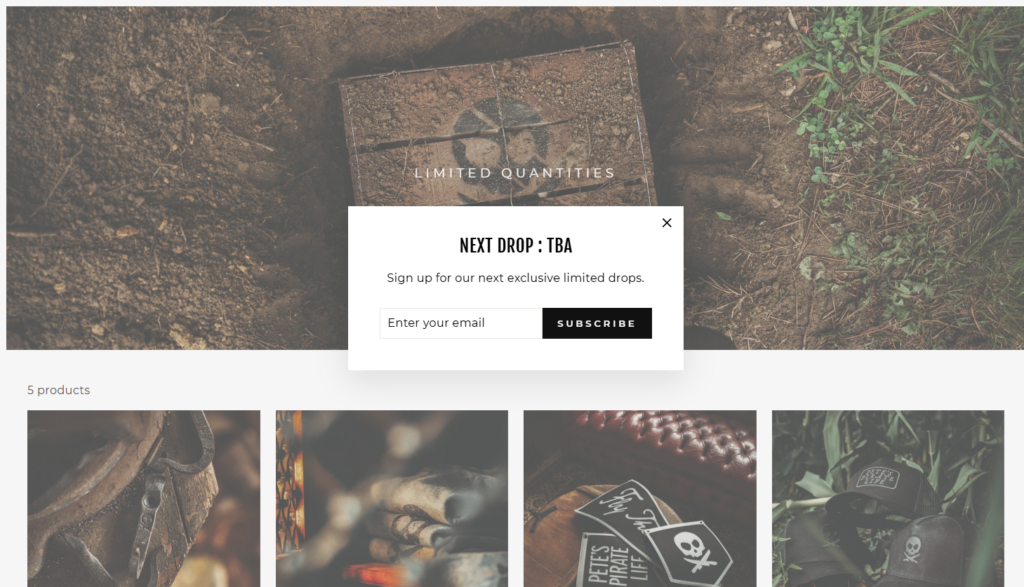
You can take your idea for a test run by producing a limited number of items and seeing how quickly they sell. The number you make can be based on your pre-orders so that you don’t waste too many resources.
Or, if it is a digital product, there are limited slots for people to join the waitlist. You can use this to gather feedback on how potential customers will respond to your product when it goes live.
However you decide to validate your idea, getting feedback from a substantial, unbiased audience is essential. Understand whether they would buy your product. Be wary of overvaluing input from people who would buy your product if you launch it.
Ultimately, validation research should allow you to answer one simple question: Will my product have demand? If the answer is yes, move on to the next step.
5. Make sure it’s practical
Even the best ideas need to be practical. If you have a great idea but it’s impractical, you won’t be able to benefit from it. So the next step to taking your idea live is to test it for feasibility.
Ask yourself, can you realistically build and sell the product? What would it take to get this done? You’ll need to analyze the production costs, shipping, and storage considerations to answer these questions.
Production costs and feasibility
First, you should assess the production costs and see how much they eat into profits. After doing all the market research and validation, you’ll have a pretty clear picture of what it would cost to produce your product.
The idea is to gather all the costs, including raw materials, manufacturing, storing, and shipping the product to customers. Then, add them up and compare them with your retail price.
Analyze all costs
A great way to do this would be to create a spreadsheet with variable and fixed costs on either side. For context, fixed costs are like rent, while variable costs include labor.
Assess your entire supply chain to identify any costs that may be hidden and include them in your analysis.
Compare costs with retail prices and optimize
After adding up your costs, subtract them from the selling price to see your gross profit. If the profit margin is low and you believe you have a solid product idea, it’s time to optimize the process.
You can look into securing quotes from a different supplier or manufacturer. Also, you can consider alternative routes for shipping these products. Once done, compare which costs are lower and go with that.
In essence, ensure the profit margin covers the production costs and still leaves some revenue for you.

Shipping and storage considerations
Next, you need to look into logistics. Precisely how you will store and ship products to customers. Contact manufacturers and develop a prototype to understand how much storage space your product would cover.
This will help you estimate just how much inventory your warehouse can hold at any given time. You can also apply the same for shipping.
Note: Remember that transportation costs vary from region to region. Studies reveal that developing countries often charge twice the transport effort per dollar of trade compared to developed countries.
Long story short, your shipping costs will be higher if you ship to these countries.
Now that you’ve confirmed your product idea is practical, it’s time to market.

6. Launch and learn
The final step we’ll go over is launching. But launching your product is just the beginning – be prepared to learn and adapt.
Launching your product isn’t as simple as posting about it on your social media or having a banner on your website. Great product launches take a bit more thoughtful planning than that.
There are tons of strategies you can use to have a successful product launch. Regardless of your strategy, it should always start with seeding your product.
Seed your product
Seeding is when you start subtly dropping hints about the benefits of your product way before you think of launching it. This is a form of attraction marketing where you purpose customers to purchase your products without coercing them.
When should you start seeding? Months before. This isn’t that long considering consumer goods take 13 months on average to market (McKinsey).
You do all this so that by the time your launch comes along, your target audience knows the importance of your selling. In many cases, they’re ready to buy when you launch.
As you get closer to launching the product, you can get less subtle with your hints and start mentioning your product.

Start small
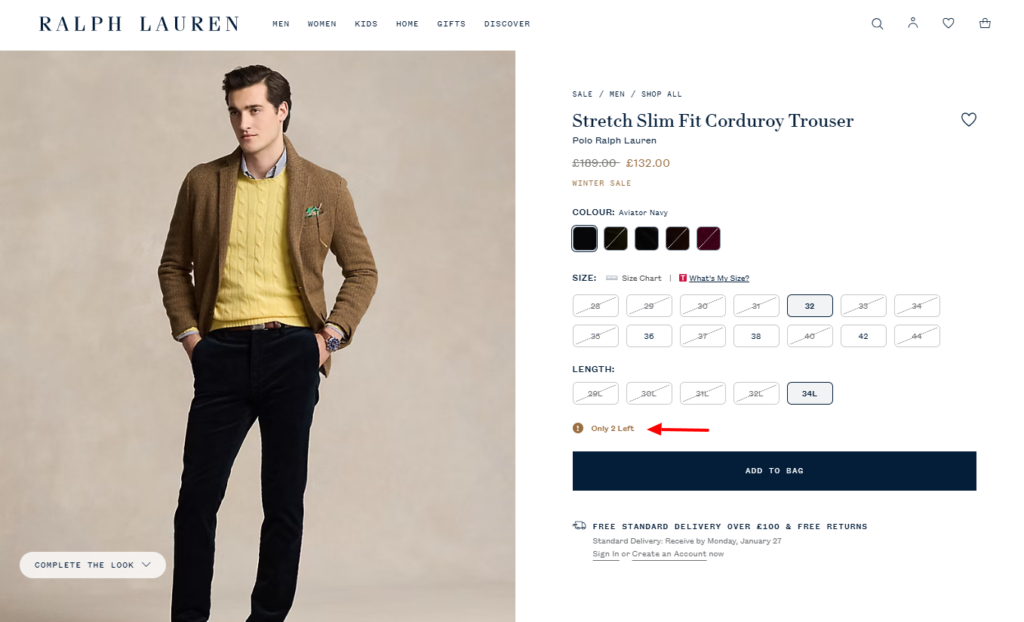
Launch your product with limited availability based on the demand you anticipated in the previous step. This will allow you to create urgency. Customers will want to get their hands on your product before the first batch runs out.
You can also have a lower price (introductory price) to encourage early buyers. This is similar to what gaming companies such as Steam, Ubisoft, and EA do. Usually, their pre-order price is lower than the launch price to encourage early adopters.
Gather feedback and adjust
One of the essential things you’ll need to do during the launch period is step up your customer support. Do your best to interact with every comment, message, or email you receive during this period.
You need to do this to answer every question that comes your way regarding the product you’re launching. Remember that you need to respond as quickly as possible so that you don’t give them time to reconsider purchasing.
When you receive feedback, analyze it. Look for the features customers mention the most. If a feature receives a lot of praise, double down on it. However, if there’s a feature that multiple customers complain about, you’ll need to adjust the product.

Promote strategically
Since you’re just starting, splashing money on paid ads might be too expensive. You need to be strategic with how you promote your product.
Thankfully, there are several ways to boost awareness and promote your product. To promote your product:
- Leverage your email list. Send email notifications asking customers to check out the new product. Don’t just do it once and leave it there. We recommend you do this daily for at least one week.
- Post on social media. Do this at least twice a day during the launch week. Then, you can reduce the frequency in the following weeks. When you post regularly, it increases the chances of your customers on social media coming across it.
- Create content relating to your product. For instance, if you’re selling leather bags, you can write blog posts on how to clean them. People looking for this information will be directed to your product.
- Partner with influencers in your niche. This is especially important since influencers have dedicated followers who take their recommendations seriously. If everything goes right, your product could go viral.
This is just a snapshot of what you’ll have to do. If you want to dive deep into how to promote your product, check out our Ecommerce Marketing Strategy guide.
Start creating your next big product idea today
Creating a profitable product idea isn’t just about stumbling on a market gap and jumping right into production. It is a long process involving understanding your audience, brainstorming creatively, and validating your idea before launching.
To summarize this, you’ll need to do your due diligence to get as many facts as you can before going to market. Throughout this process, always be prepared to collect feedback, especially from your customers.
Then, use it to learn and adapt your new product idea based on any new information you come across.
By following this process, you’ll create product ideas sustainably, ensuring your current idea isn’t your last. So, get started creating your next product idea today and use this guide to help you all the way.

Gina Lucia is our in-house Content Manager at Orderable. She writes articles, user guides, technical documentation, and creates videos on everything WooCommerce and Orderable.
Gina has been working in the WordPress/WooCommerce space since 2012 when she developed WordPress websites for clients large and small.
For the past 8 years, she’s been writing about everything WordPress and WooCommerce, becoming an expert in what makes a WooCommerce store succeed.
When not writing, Gina loves to tend to her vegetable garden, read, or travel to mainland Europe.